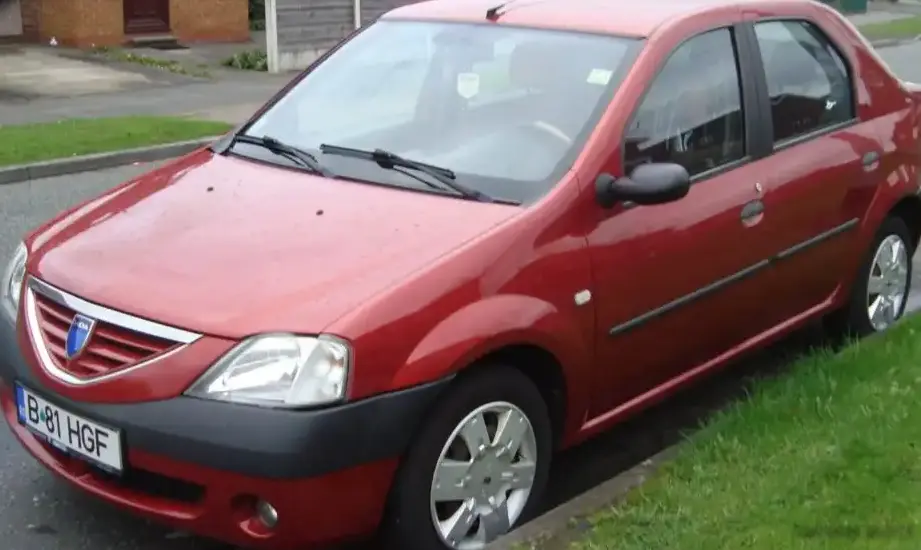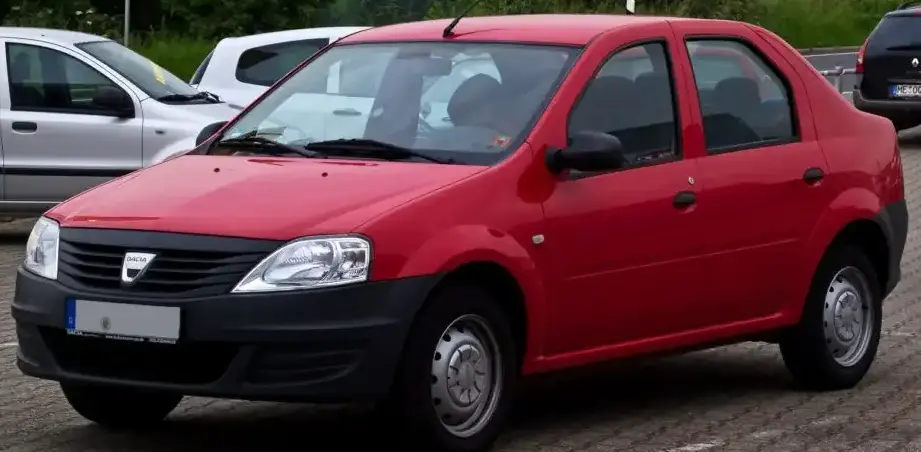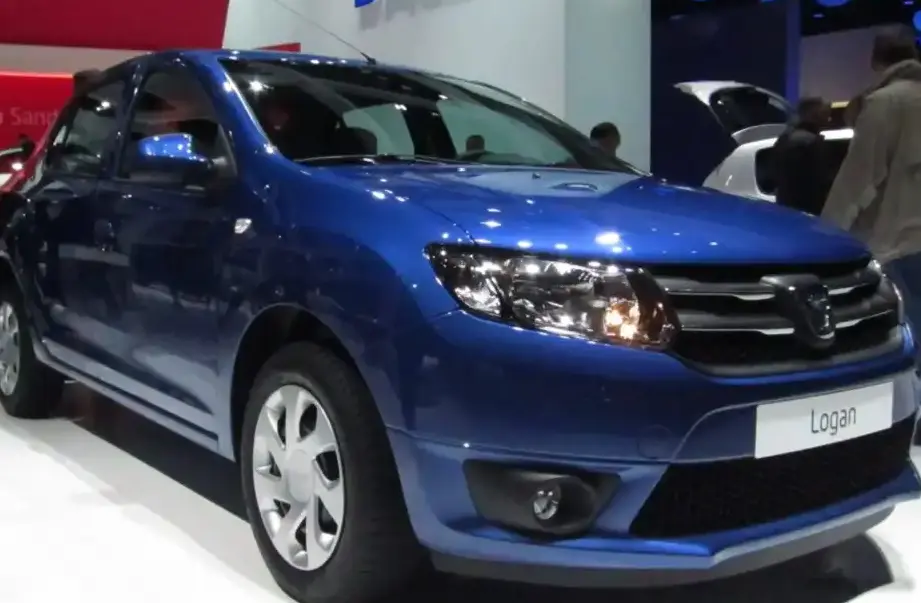
The Dacia Logan II 1.5 dCi 90 Hp Start&Stop FAP was a diesel-powered variant of the second-generation Dacia Logan, produced from 2015 to 2016. Positioned as an economy-focused option within the Logan II range, it aimed to deliver low running costs and acceptable performance for everyday use. This model was primarily sold in European markets where diesel engines held significant popularity due to favorable taxation and fuel efficiency. It represented a key offering in Dacia’s strategy of providing affordable, no-frills transportation, and was built on the 1HX0/A3 platform shared with the Renault Symbol and other models.
Technical Specifications
| Brand | Dacia |
| Model | Logan |
| Generation | Logan II |
| Type (Engine) | 1.5 dCi (90 Hp) Start&Stop FAP |
| Start of production | 2015 |
| End of production | 2016 |
| Powertrain Architecture | Internal Combustion engine |
| Body type | Sedan |
| Seats | 5 |
| Doors | 4 |
| Fuel consumption (urban) | 3.7 l/100 km (63.6 US mpg, 76.3 UK mpg, 27 km/l) |
| Fuel consumption (extra urban) | 3.7 l/100 km (63.6 US mpg, 76.3 UK mpg, 27 km/l) |
| Fuel consumption (combined) | 3.5 l/100 km (67.2 US mpg, 80.7 UK mpg, 28.6 km/l) |
| CO2 emissions | 90 g/km |
| Fuel Type | Diesel |
| Acceleration 0 – 100 km/h | 11.8 sec |
| Acceleration 0 – 62 mph | 11.8 sec |
| Acceleration 0 – 60 mph | 11.2 sec |
| Maximum speed | 173 km/h (107.5 mph) |
| Emission standard | Euro 6b |
| Weight-to-power ratio | 11.8 kg/Hp, 85 Hp/tonne |
| Weight-to-torque ratio | 4.8 kg/Nm, 207.7 Nm/tonne |
| Power | 90 Hp @ 4000 rpm |
| Power per litre | 61.6 Hp/l |
| Torque | 220 Nm @ 1750 rpm (162.26 lb.-ft. @ 1750 rpm) |
| Engine layout | Front, Transverse |
| Engine Model/Code | K9K 626 |
| Engine displacement | 1461 cm3 (89.16 cu. in.) |
| Number of cylinders | 4 |
| Engine configuration | Inline |
| Cylinder Bore | 76 mm (2.99 in.) |
| Piston Stroke | 80.5 mm (3.17 in.) |
| Number of valves per cylinder | 2 |
| Fuel injection system | Diesel Commonrail |
| Engine aspiration | Turbocharger, Intercooler |
| Engine oil capacity | 4.5 l (4.76 US qt | 3.96 UK qt) |
| Coolant capacity | 4.5 l (4.76 US qt | 3.96 UK qt) |
| Kerb Weight | 1059 kg (2334.7 lbs.) |
| Max. weight | 1590 kg (3505.35 lbs.) |
| Max load | 531 kg (1170.65 lbs.) |
| Trunk (boot) space – minimum | 510 l (18.01 cu. ft.) |
| Trunk (boot) space – maximum | 1250 l (44.14 cu. ft.) |
| Fuel tank capacity | 50 l (13.21 US gal | 11 UK gal) |
| Permitted trailer load with brakes (12%) | 1100 kg (2425.08 lbs.) |
| Permitted trailer load without brakes | 565 kg (1245.61 lbs.) |
| Length | 4346 mm (171.1 in.) |
| Width | 1733 mm (68.23 in.) |
| Height | 1517 mm (59.72 in.) |
| Wheelbase | 2634 mm (103.7 in.) |
| Ride height (ground clearance) | 155 mm (6.1 in.) |
| Minimum turning circle | 10.82 m (35.5 ft.) |
| Drivetrain Architecture | ICE, Front wheel drive |
| Drive wheel | Front wheel drive |
| Number of gears and type of gearbox | 5 gears, manual transmission |
| Front brakes | Ventilated discs |
| Rear brakes | Drum |
| Assisting systems | ABS (Anti-lock braking system) |
| Steering type | Steering rack and pinion |
| Power steering | Electric Steering |
| Tires size | 185 / 65 R15 |
| Wheel rims size | 6J x 15 |
Powertrain & Engine Architecture
The heart of this Logan variant was the Renault-sourced 1.5 dCi (K9K 626) engine. This engine was a common sight in many Renault, Dacia, and Nissan models, known for its relatively simple design and fuel efficiency. The K9K engine is a four-cylinder, inline diesel engine featuring a turbocharger with an intercooler to enhance performance. It utilized a diesel common rail fuel injection system, delivering fuel at high pressure for improved combustion and reduced emissions. The engine produced 90 horsepower at 4000 rpm and 220 Nm (162 lb-ft) of torque at 1750 rpm. The engine featured two valves per cylinder and a single overhead camshaft. The 5-speed manual transmission was the only gearbox option available with this engine, prioritizing fuel economy over outright performance. The inclusion of a Diesel Particulate Filter (DPF) and Start&Stop technology aimed to meet increasingly stringent Euro 6b emission standards.
Driving Characteristics
The 1.5 dCi 90 Hp Automatic Logan II offered modest performance. Acceleration from 0 to 60 mph took around 11.2 seconds, and top speed was approximately 107.5 mph. The engine’s torque delivery was its strong suit, providing adequate pulling power for everyday driving and overtaking maneuvers. However, the 90 hp output meant that the car felt somewhat underpowered when fully loaded or tackling steep inclines. The 5-speed manual transmission was geared for economy, with relatively long gear ratios. Compared to higher-output versions of the Logan II, such as those with the 1.6 petrol engine, the 1.5 dCi felt slower but significantly more fuel-efficient. The manual transmission offered a more engaging driving experience than an automatic would have, allowing drivers to better control the engine’s power band.
Equipment & Trim Levels
The 1.5 dCi 90 Hp Start&Stop FAP typically came with a basic level of equipment, reflecting Dacia’s value-oriented approach. Standard features generally included power steering, central locking, electric front windows, and an ABS anti-lock braking system. Interior upholstery was typically cloth, and the dashboard featured a functional, if somewhat spartan, design. Optional extras could include air conditioning, a radio/CD player, and alloy wheels. The trim level often dictated the availability of these options, with higher trims offering more features as standard.
Chassis & Braking
The Logan II featured a MacPherson strut front suspension and a torsion beam rear suspension. This setup provided a comfortable ride quality, although it wasn’t particularly sporty. The front brakes were ventilated discs, while the rear brakes were drums. This configuration was typical for vehicles in this price segment. The electric power steering offered light and easy steering, making it suitable for urban driving. Stabilizer bars were included to reduce body roll during cornering, but the overall handling was geared towards stability and comfort rather than dynamic performance.
Market Reception & Comparison
The Dacia Logan II 1.5 dCi 90 Hp Start&Stop FAP was well-received by buyers seeking an affordable and fuel-efficient vehicle. Critics praised its low running costs and practicality, but noted its lack of refinement and relatively basic interior. Compared to other diesel-powered cars in its class, the Logan II offered a competitive price point. Against petrol-powered Logan II variants, the diesel model provided superior fuel economy but came with a higher purchase price. The 1.5 dCi engine was generally considered reliable, but the DPF required careful maintenance to prevent clogging and potential issues.
Legacy
The 1.5 dCi engine proved to be a durable and long-lasting unit, and many Logan II models equipped with this engine continue to be used today. While the DPF can be a potential source of problems if not properly maintained, the engine itself is generally considered robust. In the used car market, the 1.5 dCi Logan II remains a popular choice for budget-conscious buyers seeking a practical and economical vehicle. Its simplicity and relatively low maintenance costs contribute to its enduring appeal.