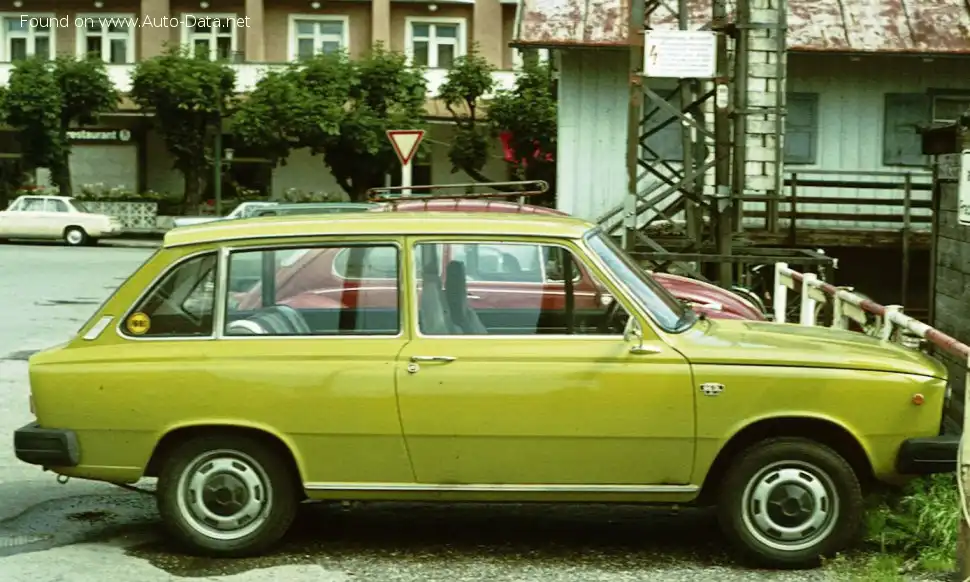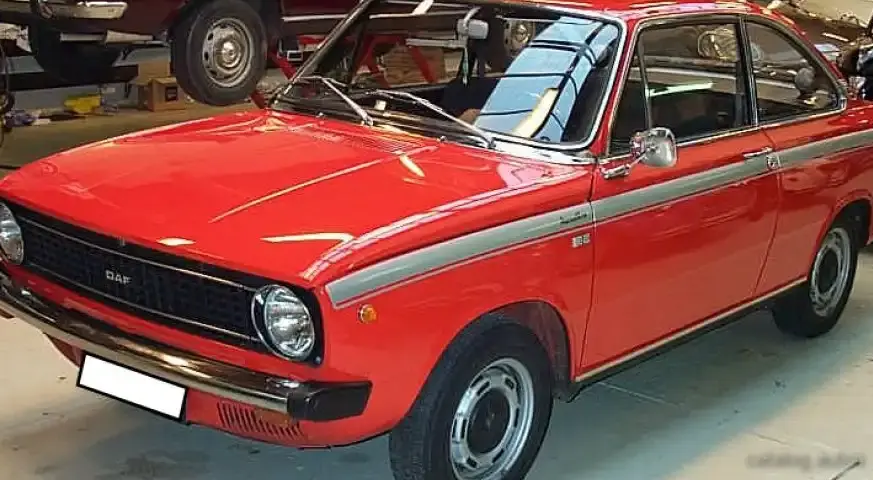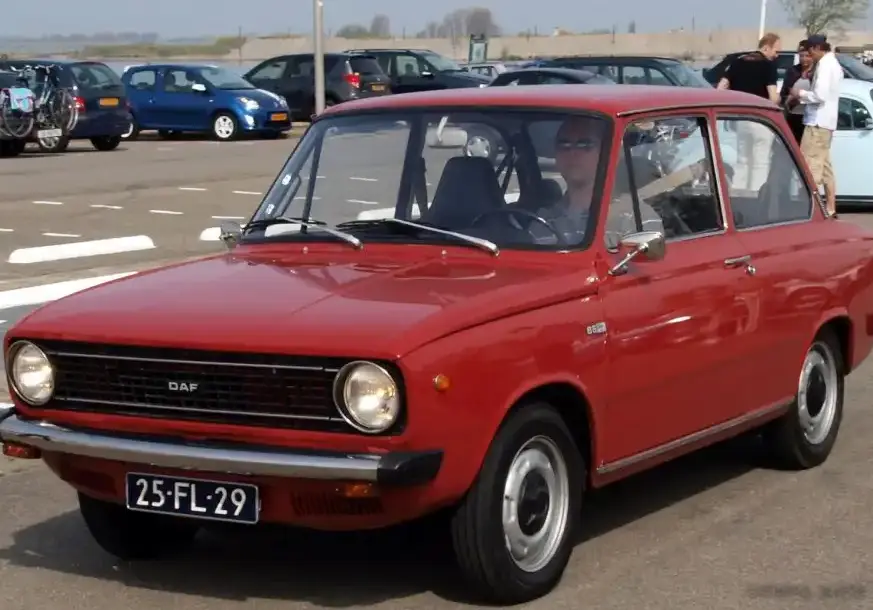
The DAF 66 1.1 SL, produced between 1972 and 1975, represents an entry-level variant of the DAF 66, a compact sedan notable for its innovative use of a continuously variable transmission (CVT), known as the Variomatic. Positioned as the most accessible model in the 66 lineup, the 1.1 SL offered economical transportation for the European market, particularly in the Netherlands, DAF’s home country. It served as a stepping stone into the DAF brand, appealing to buyers prioritizing fuel efficiency and ease of use over outright performance. The 66 itself was a significant vehicle, being the first entirely new model developed after DAF transitioned from producing trucks and light commercial vehicles to passenger cars.
Technical Specifications
| Brand | DAF |
| Model | 66 |
| Generation | 66 |
| Type (Engine) | 1.1 SL (54 Hp) |
| Start of Production | 1972 |
| End of Production | 1975 |
| Powertrain Architecture | Internal Combustion Engine |
| Body Type | Sedan |
| Fuel Type | Petrol (Gasoline) |
| Power | 54 Hp |
| Engine Aspiration | Naturally Aspirated |
Powertrain & Engine Architecture
The DAF 66 1.1 SL was powered by a 1,108 cc (67.6 cubic inch) inline four-cylinder engine. This engine, designated as the type 4G8, was a relatively simple design, featuring a single overhead camshaft and a two-barrel Solex carburetor. The engine produced 54 horsepower (40 kW) at 5,500 rpm and 67 lb-ft (91 Nm) of torque at 3,500 rpm. It was a naturally aspirated engine, meaning it did not utilize a turbocharger or supercharger. The engine block was cast iron, while the cylinder head was aluminum.
The defining characteristic of the DAF 66, and the 1.1 SL specifically, was its Variomatic transmission. This wasn’t a traditional automatic transmission with fixed gears. Instead, it employed two pulleys connected by a V-belt. The pulleys’ diameters could change, effectively providing an infinite number of gear ratios within a specific range. This system allowed for smooth, stepless acceleration and contributed to the car’s fuel efficiency. The Variomatic was controlled by the accelerator pedal; pressing it further down caused the pulleys to adjust, altering the gear ratio. While innovative, the Variomatic had a distinctive whine, which became a recognizable characteristic of DAF vehicles.
Driving Characteristics
The DAF 66 1.1 SL’s driving experience was heavily influenced by the Variomatic transmission. Acceleration was smooth and linear, but not particularly brisk. The 54 horsepower engine and the weight of the vehicle (approximately 1,760 lbs or 800 kg) meant that performance was adequate for city driving and moderate highway speeds, but overtaking required careful planning. The Variomatic transmission prioritized fuel economy over outright speed. The lack of distinct gear changes took some getting used to for drivers accustomed to traditional manual or automatic transmissions. The car’s handling was generally considered safe and predictable, though not sporty. The suspension consisted of independent front suspension with coil springs and a live axle with leaf springs at the rear.
Compared to the later DAF 66 1.3 models, the 1.1 SL offered less power and slightly slower acceleration. The 1.3 variants, with their larger engines, provided a more responsive driving experience. However, the 1.1 SL was more fuel-efficient and represented a lower initial purchase price.
Equipment & Trim Levels
The DAF 66 1.1 SL was positioned as the base model, and as such, it featured a relatively basic level of equipment. Standard features included cloth upholstery, a basic instrument panel with speedometer, fuel gauge, and temperature gauge, and manually operated windows. The interior was functional and designed for practicality rather than luxury. The seats were relatively flat and offered limited bolstering.
Optional extras included a radio, a heater, and upgraded upholstery. The exterior trim was minimal, with chrome bumpers and simple hubcaps. The 1.1 SL typically came in a range of solid colors, with metallic paints available as an option. The trim level was largely defined by the engine size; the 1.3 and later models offered more luxurious appointments and additional features.
Chassis & Braking
The DAF 66 featured a monocoque body construction, providing a good balance of strength and weight. The front suspension utilized independent coil springs and wishbones, while the rear suspension employed a live axle with leaf springs. This setup provided a comfortable ride, although it wasn’t particularly sophisticated.
The braking system consisted of hydraulic disc brakes at the front and drum brakes at the rear. The brakes were adequate for the car’s weight and performance, but they lacked the stopping power of more modern braking systems. Steering was by a rack and pinion system, providing reasonably precise control. The car’s relatively light weight contributed to its maneuverability.
Market Reception & Comparison
The DAF 66 1.1 SL was generally well-received in its target market, particularly in the Netherlands. Critics praised its fuel efficiency, ease of use, and innovative Variomatic transmission. However, some criticized its lack of power and the distinctive whine of the Variomatic. Compared to competitors like the Fiat 850 or the Renault 8, the DAF 66 offered a unique driving experience thanks to its CVT. The DAF 66 was often seen as a practical and economical choice for urban commuters.
Fuel economy was a key selling point for the 1.1 SL, averaging around 35-40 miles per gallon. Reliability was generally good, although the Variomatic transmission required periodic maintenance and adjustment. The 1.3 models were considered more reliable overall due to their more robust engines.
Legacy
The DAF 66, including the 1.1 SL variant, holds a special place in automotive history as one of the first mass-produced cars to utilize a continuously variable transmission. While DAF as a brand was eventually absorbed into Volvo in 1975, the Variomatic technology continued to influence transmission development.
Today, the DAF 66 1.1 SL is a sought-after classic car, particularly among enthusiasts interested in innovative automotive engineering. Well-maintained examples are relatively rare and can command a premium price. The Variomatic transmission, while requiring specialized knowledge for repair, remains a fascinating feature that sets the DAF 66 apart from its contemporaries. The 1.1 SL, as the entry-level model, is often more affordable than the higher-spec variants, making it an accessible entry point into the world of classic DAF ownership. Parts availability can be challenging, but a dedicated community of DAF enthusiasts exists to provide support and resources.