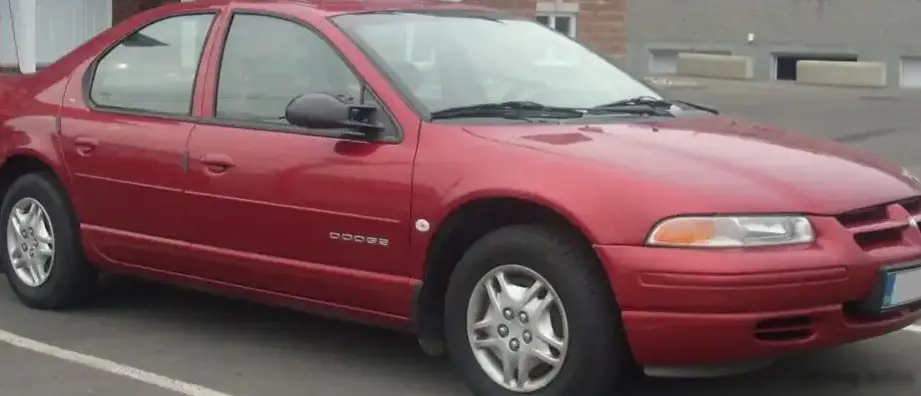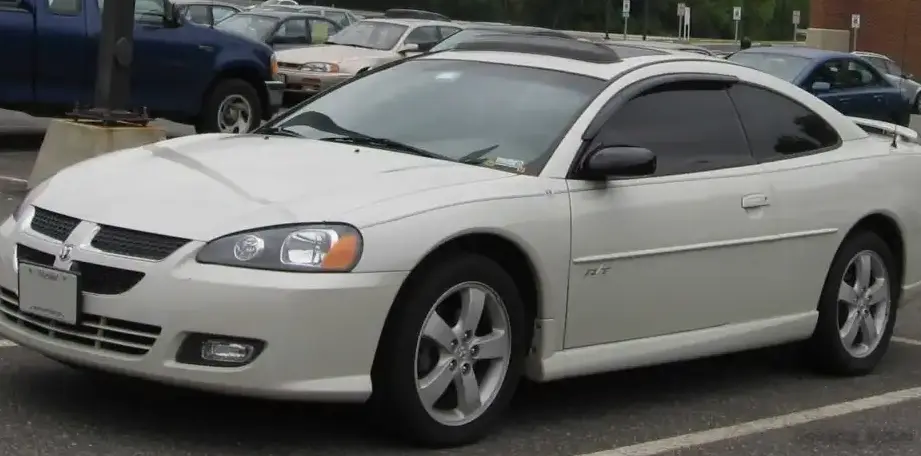
The Dodge Stratus II Coupe 2.4i 16V, produced from 2001 to 2006, represented the second generation of the Stratus coupe. Positioned as a mid-range offering within the Stratus lineup, it aimed to provide a balance of performance and affordability in the North American market. Built on the Chrysler JA platform, the Stratus II sought to modernize the Stratus image with a more aggressive, coupe-focused design. This variant, equipped with the 2.4-liter inline-four engine and a four-speed automatic transmission, was a popular choice for buyers seeking a comfortable and reasonably powerful daily driver. It competed with similar coupes from Ford, Chevrolet, and Honda, offering a distinctive American aesthetic and a focus on interior space.
Technical Specifications
| Brand | Dodge |
| Model | Stratus |
| Generation | Stratus II Coupe |
| Type (Engine) | 2.4i 16V (149 Hp) |
| Start of production | 2001 |
| End of production | 2006 |
| Powertrain Architecture | Internal Combustion engine |
| Body type | Coupe |
| Seats | 4 |
| Doors | 2 |
| Fuel consumption (urban) | 11.2 l/100 km (21 US mpg) |
| Fuel consumption (extra urban) | 8.4 l/100 km (28 US mpg) |
| Fuel Type | Petrol (Gasoline) |
| Acceleration 0 – 100 km/h | 9.5 sec |
| Acceleration 0 – 62 mph | 9.5 sec |
| Acceleration 0 – 60 mph | 9 sec |
| Maximum speed | 190 km/h (118.06 mph) |
| Weight-to-power ratio | 9.7 kg/Hp |
| Weight-to-torque ratio | 6.8 kg/Nm |
| Power | 149 Hp @ 5500 rpm |
| Power per litre | 63.4 Hp/l |
| Torque | 214 Nm @ 4000 rpm (157.84 lb.-ft. @ 4000 rpm) |
| Engine layout | Front, Transverse |
| Engine Model/Code | EDZ |
| Engine displacement | 2351 cm3 (143.47 cu. in.) |
| Number of cylinders | 4 |
| Engine configuration | Inline |
| Cylinder Bore | 86.5 mm (3.41 in.) |
| Piston Stroke | 100 mm (3.94 in.) |
| Compression ratio | 9.1:1 |
| Number of valves per cylinder | 4 |
| Fuel injection system | Multi-port manifold injection |
| Engine aspiration | Naturally aspirated |
| Engine oil capacity | 4.7 l (4.97 US qt | 4.14 UK qt) |
| Coolant | 7.5 l (7.93 US qt | 6.6 UK qt) |
| Kerb Weight | 1445 kg (3185.68 lbs.) |
| Trunk (boot) space | 454 l (16.03 cu. ft.) |
| Fuel tank capacity | 62 l (16.38 US gal | 13.64 UK gal) |
| Length | 4849 mm (190.91 in.) |
| Width | 1786 mm (70.31 in.) |
| Height | 1364 mm (53.7 in.) |
| Wheelbase | 2634 mm (103.7 in.) |
| Front track | 1509 mm (59.41 in.) |
| Rear track | 1506 mm (59.29 in.) |
| Drivetrain Architecture | Front wheel drive |
| Number of gears | 4 gears, automatic transmission |
| Front suspension | Coil spring |
| Rear suspension | Coil spring |
| Front brakes | Ventilated discs |
| Rear brakes | Drum |
| Assisting systems | ABS (Anti-lock braking system) |
| Steering type | Steering rack and pinion |
| Power steering | Hydraulic |
| Tires size | 205/60 R16 |
Powertrain & Engine Architecture
The heart of the Stratus II Coupe 2.4i is the EDZ engine, a 2.4-liter inline-four cylinder powerplant. This engine utilizes a single overhead camshaft (SOHC) design with four valves per cylinder, contributing to its 16V designation. Fuel delivery is managed by a multi-port fuel injection system, providing precise fuel metering for improved efficiency and performance. The engine’s 9.1:1 compression ratio strikes a balance between power output and fuel economy. The four-speed automatic transmission, a common choice for American consumers prioritizing convenience, features electronically controlled shifting. While not known for its sportiness, this transmission provided smooth and predictable gear changes. The engine’s design prioritized reliability and ease of maintenance, making it a relatively straightforward unit to service.
Driving Characteristics
The 2.4-liter engine, producing 149 horsepower and 158 lb-ft of torque, delivered adequate performance for everyday driving. Acceleration from 0 to 60 mph took approximately 9 seconds, which was competitive within its class but noticeably slower than the V6-powered Stratus models. The automatic transmission’s gear ratios were tuned for fuel efficiency and comfortable cruising rather than aggressive acceleration. The car felt responsive enough for merging onto highways and passing slower traffic, but lacked the punch of higher-output engines. The front-wheel-drive configuration provided predictable handling, although it wasn’t particularly engaging for enthusiasts. Compared to the manual transmission version, the automatic offered less driver involvement but greater ease of use, particularly in congested urban environments.
Equipment & Trim Levels
The 2.4i automatic trim typically included standard features such as air conditioning, power windows and locks, an AM/FM stereo with a CD player, and cloth upholstery. Optional extras included a sunroof, upgraded sound system, alloy wheels, and cruise control. Interior appointments were generally functional and comfortable, with a focus on providing ample space for passengers. The dashboard layout was straightforward and easy to navigate. Higher trim levels, such as the ES or R/T, offered additional features like leather upholstery, premium sound systems, and sport-tuned suspension components, but the 2.4i automatic served as the entry point to the Stratus Coupe range.
Chassis & Braking
The Stratus II Coupe utilized a conventional front-wheel-drive chassis with independent coil spring suspension in the front and a twist-beam rear suspension. The front suspension provided a comfortable ride, while the rear suspension prioritized space efficiency. Braking duties were handled by ventilated discs in the front and drum brakes in the rear. Anti-lock braking system (ABS) was standard, enhancing safety by preventing wheel lockup during hard braking. The suspension tuning was geared towards providing a comfortable and compliant ride, rather than sharp handling. Stabilizer bars were included to reduce body roll during cornering, but the overall handling characteristics were more suited to everyday driving than spirited performance.
Market Reception & Comparison
The Dodge Stratus II Coupe 2.4i 16V was generally well-received as an affordable and practical coupe. Critics praised its spacious interior and comfortable ride, but noted that its performance was not as exciting as some of its competitors. Fuel economy was considered average for its class. Compared to the V6-powered Stratus models, the 2.4i offered lower running costs and a more accessible price point, but at the expense of performance. Against rivals like the Ford Focus Coupe and Honda Civic Coupe, the Stratus offered a more American aesthetic and a larger interior, but lacked the refinement and fuel efficiency of some Japanese competitors.
Legacy
The EDZ 2.4-liter engine, while not a high-performance unit, proved to be relatively reliable and durable. The four-speed automatic transmission also enjoyed a good reputation for longevity. Today, the Stratus II Coupe 2.4i can be found on the used car market at very affordable prices. Common issues include minor oil leaks and wear-and-tear on suspension components. However, parts availability is generally good, and the car remains a viable option for budget-conscious buyers seeking a comfortable and practical coupe. While it may not be a collector’s item, the Stratus II Coupe 2.4i represents a significant chapter in Dodge’s history, offering a glimpse into the American coupe market of the early 2000s.