
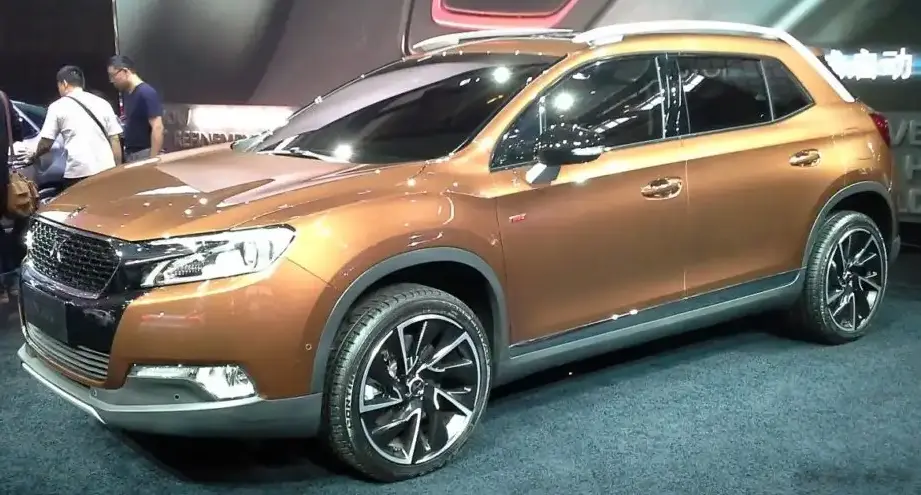
The DS 6WR 1.8 THP Automatic, produced between 2014 and 2017, represents a significant entry for the DS Automobiles brand into the compact SUV segment. Positioned as a mid-range offering within the broader DS 6 lineup, this variant combined a potent 1.8-liter turbocharged gasoline engine with a six-speed automatic transmission. It was designed to appeal to buyers seeking a blend of style, comfort, and performance, differentiating itself from more basic trims while remaining more accessible than the range-topping models. The 6WR designation refers to the specific chassis code for this generation of the DS 6, which shares its platform with the Peugeot 3008 and Citroën C4 Picasso.
Technical Specifications
| Brand | DS |
| Model | 6 |
| Generation | 6WR |
| Type (Engine) | 1.8 THP (203 Hp) Automatic |
| Start of production | 2014 |
| End of production | 2017 |
| Powertrain Architecture | Internal Combustion engine |
| Body type | SUV |
| Seats | 5 |
| Doors | 5 |
| Fuel consumption (combined) | 6.6 l/100 km (35.6 US mpg, 42.8 UK mpg, 15.2 km/l) |
| Fuel Type | Petrol (Gasoline) |
| Acceleration 0 – 100 km/h | 8.7 sec |
| Acceleration 0 – 62 mph | 8.7 sec |
| Acceleration 0 – 60 mph | 8.3 sec |
| Maximum speed | 210 km/h (130.49 mph) |
| Weight-to-power ratio | 7.6 kg/Hp, 131.8 Hp/tonne |
| Weight-to-torque ratio | 5.5 kg/Nm, 181.8 Nm/tonne |
| Power | 203 Hp @ 5500 rpm |
| Power per litre | 115.9 Hp/l |
| Torque | 280 Nm @ 1400-4000 rpm (206.52 lb.-ft. @ 1400-4000 rpm) |
| Engine layout | Front, Transverse |
| Engine displacement | 1751 cm3 (106.85 cu. in.) |
| Number of cylinders | 4 |
| Engine configuration | Inline |
| Fuel injection system | Direct injection |
| Engine aspiration | Turbocharger, Intercooler |
| Kerb Weight | 1540 kg (3395.12 lbs.) |
| Trunk (boot) space – minimum | 500 l (17.66 cu. ft.) |
| Fuel tank capacity | 60 l (15.85 US gal | 13.2 UK gal) |
| Length | 4553 mm (179.25 in.) |
| Width | 1858 mm (73.15 in.) |
| Height | 1610 mm (63.39 in.) |
| Wheelbase | 2732 mm (107.56 in.) |
| Drivetrain Architecture | The Internal combustion engine (ICE) drives the front wheels of the vehicle. |
| Drive wheel | Front wheel drive |
| Number of gears and type of gearbox | 6 gears, automatic transmission |
| Assisting systems | ABS (Anti-lock braking system) |
| Tires size | 235/55 R17; 235/50 R18 |
| Wheel rims size | 17; 18 |
Powertrain & Engine Architecture
At the heart of the DS 6WR 1.8 THP Automatic lies the EP6CDT engine, a 1.8-liter inline-four cylinder gasoline engine equipped with direct fuel injection and a twin-scroll turbocharger. This engine, part of the Prince engine family jointly developed by PSA Peugeot Citroën and BMW, is known for its responsiveness and efficiency. The direct injection system allows for precise fuel delivery, optimizing combustion and reducing emissions. The turbocharger provides a significant boost in power, delivering 203 horsepower at 5500 rpm and 280 Nm (206.52 lb-ft) of torque between 1400 and 4000 rpm. The engine’s variable valve timing system further enhances performance and fuel economy. The six-speed automatic transmission, sourced from Aisin, was chosen for its smooth shifting characteristics and reliability. It features a torque converter and adaptive shift logic, adjusting shift points based on driving conditions and driver input.
Driving Characteristics
The 1.8 THP Automatic variant of the DS 6WR offered a noticeably more engaging driving experience compared to the lower-powered engine options. The readily available torque from the turbocharged engine provided brisk acceleration, making overtaking and merging onto highways effortless. While not a sports SUV, the 0-60 mph time of around 8.3 seconds was respectable for its class. The automatic transmission, while smooth, wasn’t particularly quick to downshift, which could sometimes be noticeable during aggressive driving. Compared to the manual transmission versions, the automatic offered greater convenience, particularly in urban environments, but sacrificed some driver involvement. The gear ratios were tuned for a balance between fuel efficiency and performance, with a relatively tall final drive contributing to improved highway cruising.
Equipment & Trim Levels
The DS 6WR 1.8 THP Automatic typically came equipped with a generous array of standard features. These included automatic climate control, a touchscreen infotainment system with navigation, Bluetooth connectivity, rear parking sensors, and cruise control. Interior upholstery was generally a combination of cloth and leatherette, with higher trim levels offering full leather options. Optional extras included a panoramic sunroof, premium audio system, and advanced driver-assistance systems such as blind-spot monitoring and lane departure warning. The dashboard layout was characterized by a clean, modern design with a focus on ergonomics. The DS 6 aimed to provide a more luxurious and refined interior experience than its Peugeot and Citroën counterparts.
Chassis & Braking
The DS 6WR utilized a MacPherson strut front suspension and a twist-beam rear suspension. This setup provided a comfortable ride quality, absorbing bumps and imperfections in the road effectively. The suspension was tuned to prioritize comfort over outright handling prowess. Braking duties were handled by ventilated front discs and solid rear drums on most models, with some higher trim levels featuring rear disc brakes. Anti-lock braking system (ABS) was standard, along with electronic brakeforce distribution (EBD). The steering was electrically assisted, providing light and precise control. Stabilizer bars were fitted to both the front and rear axles to reduce body roll during cornering.
Market Reception & Comparison
The DS 6WR 1.8 THP Automatic received generally positive reviews from automotive critics. It was praised for its stylish design, comfortable interior, and strong engine performance. However, some reviewers noted that the automatic transmission could feel slightly hesitant at times. Compared to other compact SUVs in the European market, such as the Nissan Qashqai and Kia Sportage, the DS 6 offered a more premium feel and a more refined driving experience. Fuel economy was competitive, averaging around 35.6 US mpg in combined driving. Reliability reports were mixed, with some owners reporting minor issues with the infotainment system and occasional turbocharger-related problems.
Legacy
The DS 6WR 1.8 THP Automatic, while not a massive sales success, played a crucial role in establishing the DS Automobiles brand as a distinct entity separate from Citroën. The EP6CDT engine proved to be a robust and reliable unit when properly maintained, although preventative maintenance regarding the timing chain is recommended. On the used car market, these models represent a good value proposition for buyers seeking a stylish and well-equipped compact SUV. The combination of performance, comfort, and features makes it a compelling alternative to more mainstream competitors. The 6WR’s design language and technological features paved the way for subsequent DS models, solidifying the brand’s commitment to luxury and innovation.
