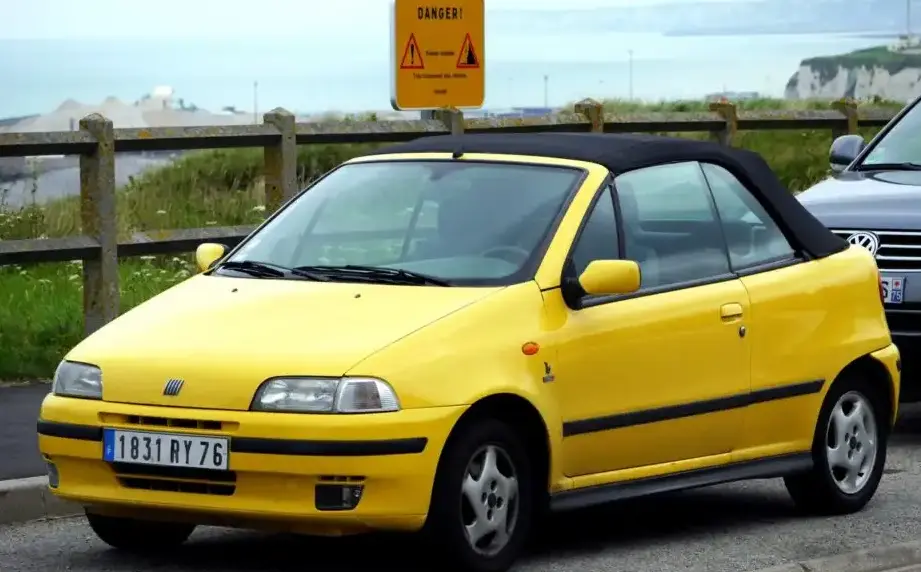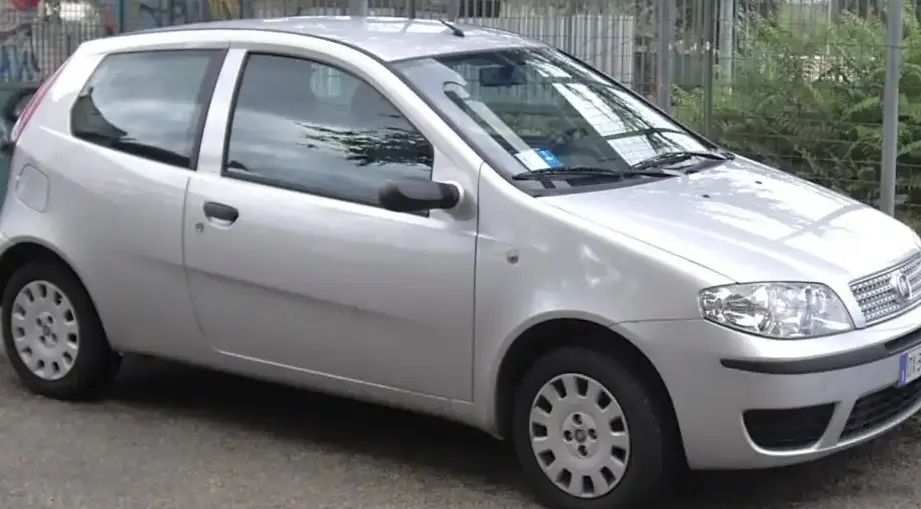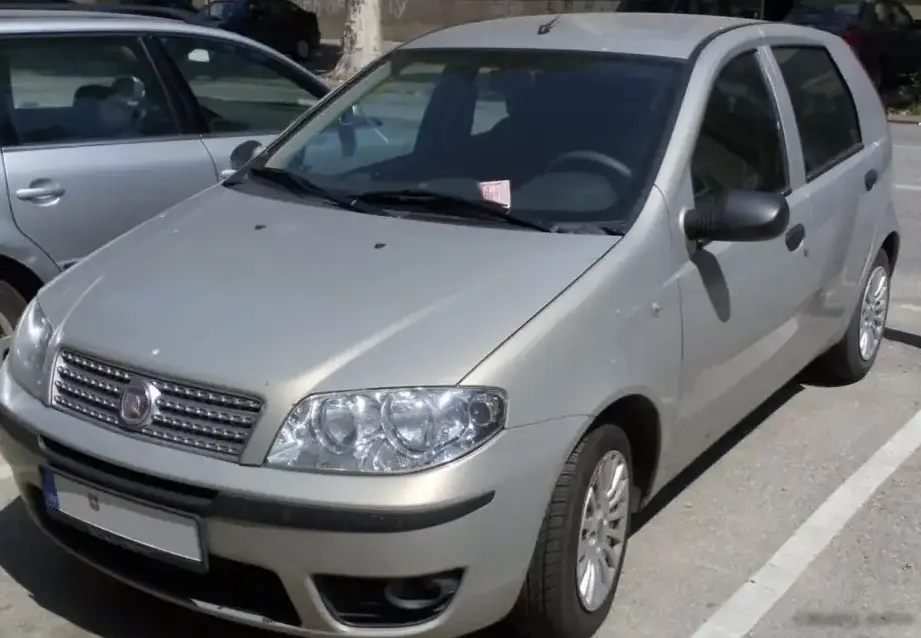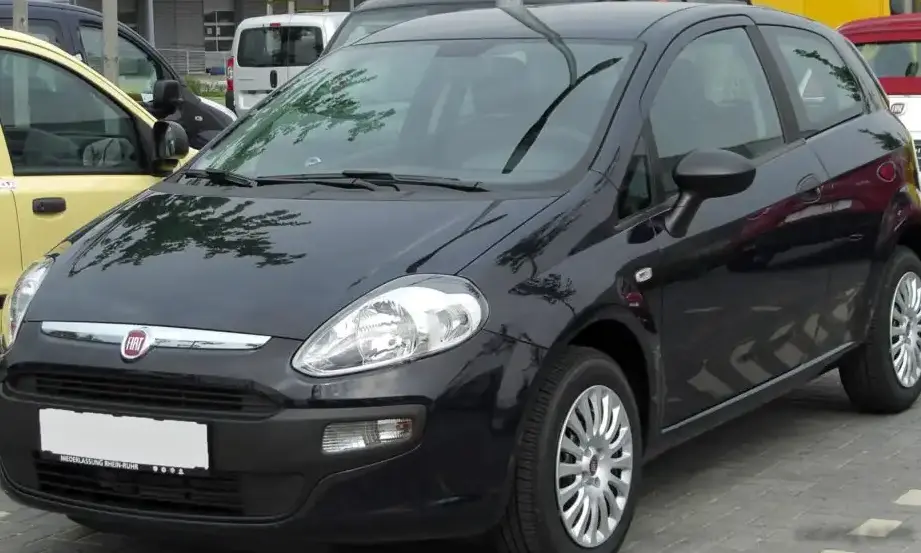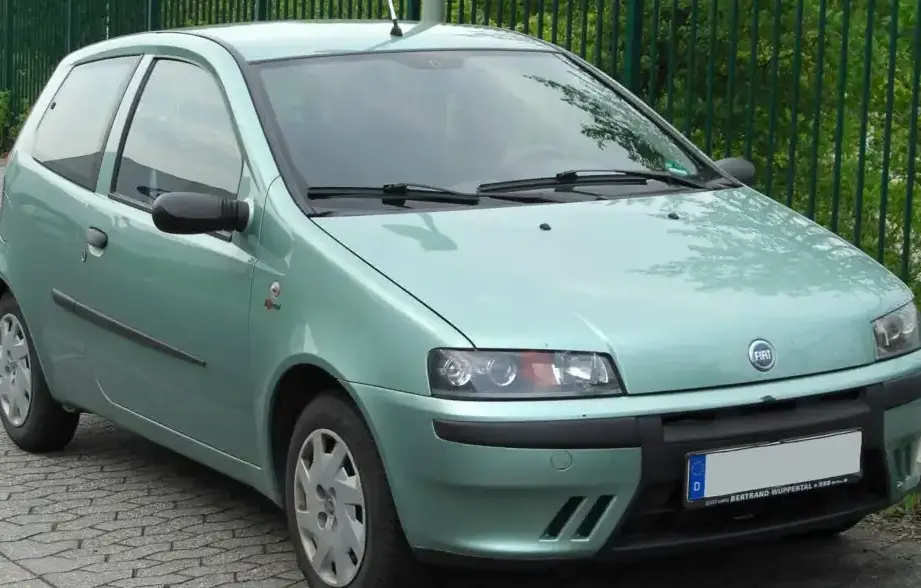
The Fiat Punto II (188) 3-door 1.9 D, produced between 1999 and 2003, represented an entry-level offering within the second generation Punto range. Positioned as a fuel-efficient and economical choice, it catered to buyers prioritizing practicality and low running costs over outright performance. This variant utilized a naturally aspirated diesel engine, offering a distinct driving experience compared to the petrol-powered models and the later, more powerful diesel iterations. The 188 series Punto was a significant model for Fiat, building upon the success of the original Punto and offering a more refined and spacious package within the supermini segment, primarily aimed at the European market.
Technical Specifications
| Brand | Fiat |
| Model | Punto |
| Generation | Punto II (188) 3dr |
| Type (Engine) | 1.9 D (60 Hp) |
| Start of production | 1999 year |
| End of production | 2003 year |
| Powertrain Architecture | Internal Combustion engine |
| Body type | Hatchback |
| Seats | 5 |
| Doors | 3 |
| Fuel consumption (urban) | 7.2 l/100 km (32.7 US mpg, 39.2 UK mpg, 13.9 km/l) |
| Fuel consumption (extra urban) | 4.8 l/100 km (49 US mpg, 58.9 UK mpg, 20.8 km/l) |
| Fuel consumption (combined) | 5.7 l/100 km (41.3 US mpg, 49.6 UK mpg, 17.5 km/l) |
| Fuel Type | Diesel |
| Acceleration 0 – 100 km/h | 15 sec |
| Acceleration 0 – 62 mph | 15 sec |
| Acceleration 0 – 60 mph | 14.3 sec |
| Maximum speed | 155 km/h (96.31 mph) |
| Emission standard | Euro 3 |
| Weight-to-power ratio | 17 kg/Hp, 58.8 Hp/tonne |
| Weight-to-torque ratio | 8.6 kg/Nm, 115.7 Nm/tonne |
| Power | 60 Hp @ 4500 rpm |
| Power per litre | 31.4 Hp/l |
| Torque | 118 Nm @ 2250 rpm (87.03 lb.-ft. @ 2250 rpm) |
| Engine layout | Front, Transverse |
| Engine Model/Code | 188A3000 |
| Engine displacement | 1910 cm3 (116.56 cu. in.) |
| Number of cylinders | 4 |
| Engine configuration | Inline |
| Cylinder Bore | 82 mm (3.23 in.) |
| Piston Stroke | 90.4 mm (3.56 in.) |
| Compression ratio | 22.6:1 |
| Number of valves per cylinder | 2 |
| Fuel injection system | Precombustion chamber injection |
| Engine aspiration | Naturally aspirated engine |
| Valvetrain | OHC |
| Engine oil capacity | 4.3 l (4.54 US qt | 3.78 UK qt) |
| Coolant | 6.2 l (6.55 US qt | 5.46 UK qt) |
| Kerb Weight | 1020 kg (2248.72 lbs.) |
| Max. weight | 1530 kg (3373.07 lbs.) |
| Max load | 510 kg (1124.36 lbs.) |
| Trunk (boot) space – minimum | 264 l (9.32 cu. ft.) |
| Trunk (boot) space – maximum | 1080 l (38.14 cu. ft.) |
| Fuel tank capacity | 47 l (12.42 US gal | 10.34 UK gal) |
| Length | 3800 mm (149.61 in.) |
| Width | 1660 mm (65.35 in.) |
| Height | 1480 mm (58.27 in.) |
| Wheelbase | 2460 mm (96.85 in.) |
| Front track | 1398 mm (55.04 in.) |
| Rear (Back) track | 1392 mm (54.8 in.) |
| Drag coefficient (Cd) | 0.32 |
| Minimum turning circle | 10.2 m (33.46 ft.) |
| Drivetrain Architecture | The Internal combustion engine (ICE) drives the front wheels of the vehicle. |
| Drive wheel | Front wheel drive |
| Number of gears and type of gearbox | 5 gears, manual transmission |
| Front suspension | Wishbone |
| Rear suspension | Coil spring |
| Front brakes | Disc |
| Rear brakes | Drum |
| Assisting systems | ABS (Anti-lock braking system) |
| Steering type | Steering rack and pinion |
| Power steering | Hydraulic Steering |
| Tires size | 165/70 R14 |
| Wheel rims size | 5.5J x 14 |
Powertrain & Engine Architecture
The heart of the Punto II 1.9 D was the 188A3000 engine, a 1910cc inline-four cylinder diesel. This engine employed a precombustion chamber injection system, a common technology for diesel engines of the era. This system involved injecting fuel into a precombustion chamber, where it partially ignited before entering the main combustion chamber, promoting more complete combustion and reducing noise. The engine featured an overhead camshaft (OHC) valvetrain with two valves per cylinder. The 1.9-liter diesel produced 60 horsepower at 4500 rpm and 118 Nm (87 lb-ft) of torque at 2250 rpm. The engine’s relatively high compression ratio of 22.6:1 was typical for indirect injection diesels, contributing to its fuel efficiency. The engine was transversely mounted, driving the front wheels.
Driving Characteristics
The 1.9 D variant of the Punto II offered a utilitarian driving experience. Acceleration was modest, taking approximately 15 seconds to reach 62 mph (100 km/h). The focus was on fuel economy and low-speed drivability rather than outright performance. The five-speed manual transmission was geared to maximize fuel efficiency, with relatively long gear ratios. Compared to the 1.2-liter petrol versions, the 1.9 D provided significantly more torque, making it more comfortable for carrying passengers or navigating hilly terrain. However, it lacked the responsiveness and higher revving nature of the petrol engines. The engine was known for its characteristic diesel clatter, which was more pronounced than in modern common-rail diesel engines.
Equipment & Trim Levels
The 1.9 D trim level typically represented the base specification for the Punto II. Standard equipment generally included power steering, central locking, and front electric windows. Interior upholstery was typically a durable cloth material. Optional extras included air conditioning, alloy wheels, and a radio/cassette player. The dashboard layout was functional and straightforward, prioritizing ease of use over aesthetic flair. Safety features were relatively basic for the time, typically including a driver’s airbag and ABS brakes.
Chassis & Braking
The Punto II 1.9 D utilized a front-wheel-drive layout with a wishbone front suspension and a coil spring rear suspension. The suspension setup was tuned for comfort and ride quality, rather than sporty handling. The front brakes were discs, providing adequate stopping power, while the rear brakes were drums, a cost-saving measure common in this segment. The hydraulic power steering provided light and easy steering, making it suitable for urban driving. The 165/70 R14 tires offered a balance of grip and fuel efficiency.
Market Reception & Comparison
The Punto II 1.9 D was well-received in markets where diesel fuel was affordable and fuel economy was a primary concern. Critics praised its low running costs and practicality, but noted its lack of performance compared to petrol-powered rivals. Compared to the 1.2-liter petrol version, the 1.9 D offered superior fuel economy and torque, but at the expense of acceleration and refinement. The later introduction of more advanced diesel engines, such as the 1.9 JTD, offered significantly improved performance and refinement, eventually eclipsing the 1.9 D in popularity.
Legacy
The Fiat Punto II 1.9 D, while not a performance icon, remains a relatively reliable and affordable used car. The 1.9-liter diesel engine, while simple in design, is known for its durability and longevity when properly maintained. Common issues include wear and tear on suspension components and potential fuel injection system problems. Today, these vehicles are often sought after by those looking for a cheap and economical runabout, or as a project car for enthusiasts. The Punto II 1.9 D represents a significant chapter in Fiat’s history, showcasing their commitment to providing practical and affordable transportation to a wide range of customers.