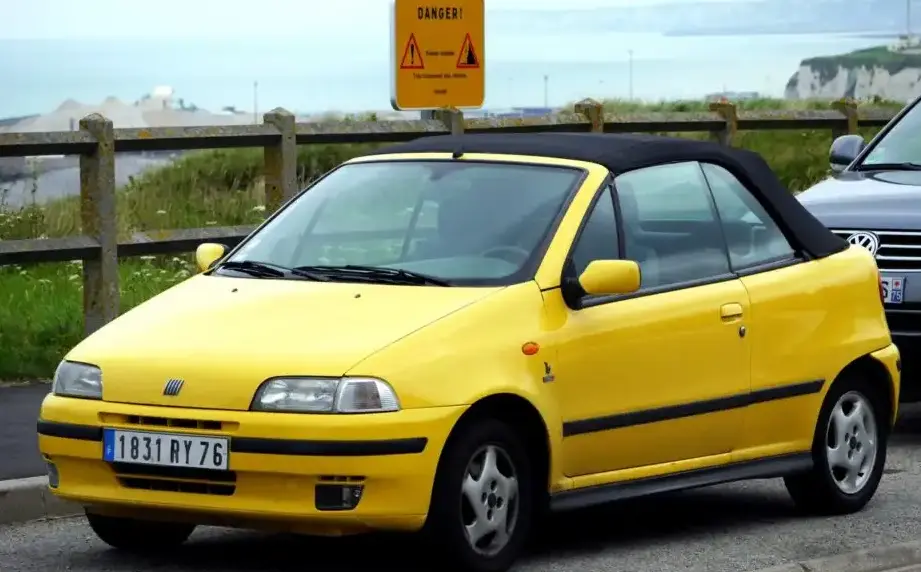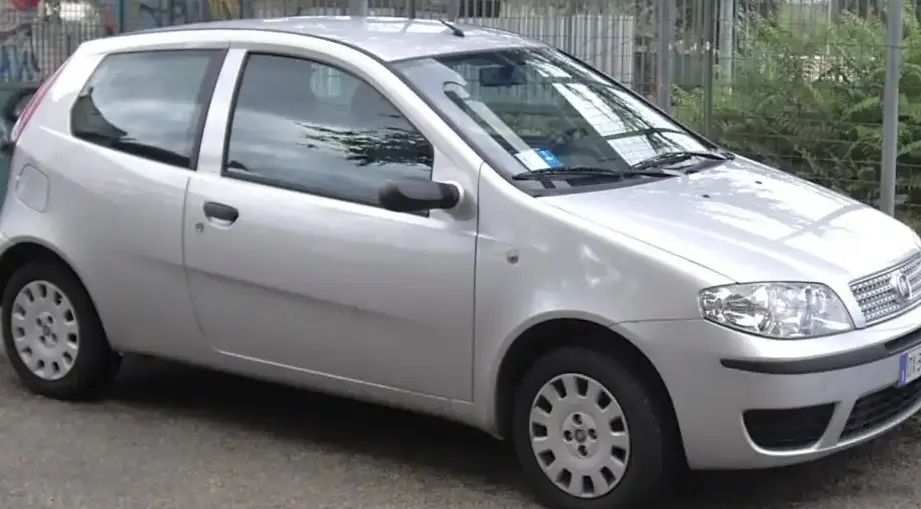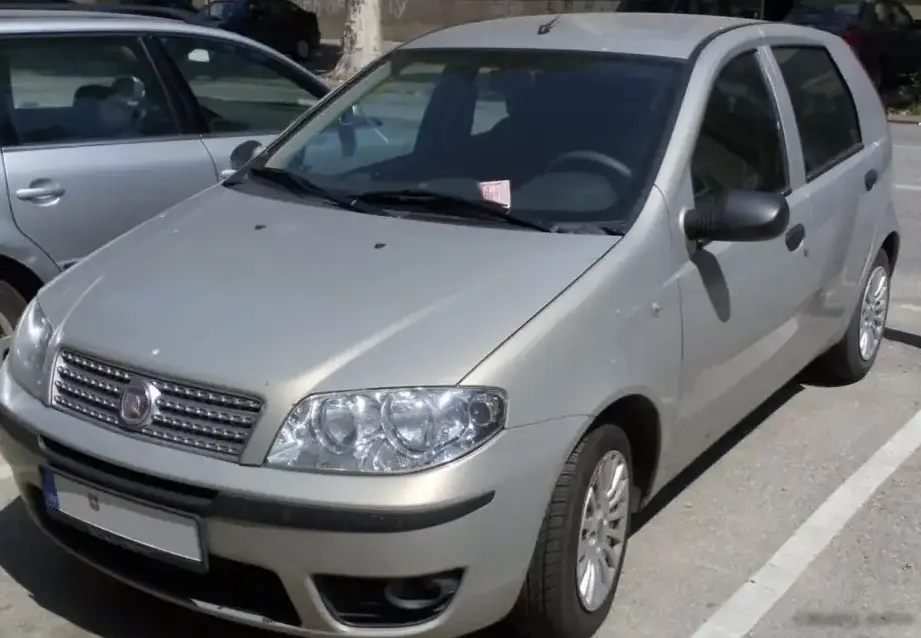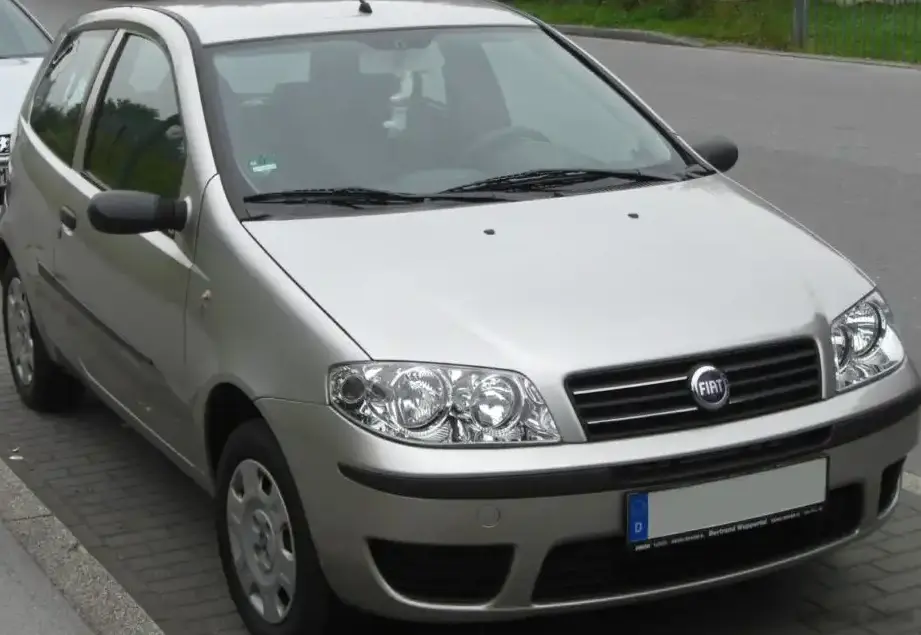
The Fiat Punto II (188 series), specifically the facelifted version introduced in 2003, represented a significant update to Fiat’s popular supermini. The three-door 1.3 Multijet 70 hp variant, produced from 2003 to 2007, was positioned as an entry-level offering focused on fuel efficiency and affordability within the Punto II range. It catered to buyers seeking a practical and economical city car, particularly in European markets where smaller, diesel-powered vehicles were highly favored. This model sat below the more powerful 1.4-liter petrol and higher-output Multijet diesel versions in the lineup.
Technical Specifications
| Brand | Fiat |
| Model | Punto |
| Generation | Punto II (188, facelift 2003) 3dr |
| Type (Engine) | 1.3 Multijet (70 Hp) |
| Start of production | 2003 |
| End of production | 2007 |
| Powertrain Architecture | Internal Combustion engine |
| Body type | Hatchback |
| Seats | 5 |
| Doors | 3 |
| Fuel consumption (urban) | 5.6 l/100 km (42 US mpg, 50.4 UK mpg, 17.9 km/l) |
| Fuel consumption (extra urban) | 3.9 l/100 km (60.3 US mpg, 72.4 UK mpg, 25.6 km/l) |
| Fuel consumption (combined) | 4.5 l/100 km (52.3 US mpg, 62.8 UK mpg, 22.2 km/l) |
| Fuel Type | Diesel |
| Acceleration 0 – 100 km/h | 13.4 sec |
| Acceleration 0 – 62 mph | 13.4 sec |
| Acceleration 0 – 60 mph | 12.7 sec |
| Maximum speed | 164 km/h (101.9 mph) |
| Emission standard | Euro 4 |
| Weight-to-power ratio | 13.8 kg/Hp, 72.5 Hp/tonne |
| Weight-to-torque ratio | 5.4 kg/Nm, 186.5 Nm/tonne |
| Power | 70 Hp @ 4000 rpm |
| Power per litre | 56.1 Hp/l |
| Torque | 180 Nm @ 1750 rpm (132.76 lb.-ft. @ 1750 rpm) |
| Engine layout | Front, Transverse |
| Engine Model/Code | 188A9000 |
| Engine displacement | 1248 cm3 (76.16 cu. in.) |
| Number of cylinders | 4 |
| Engine configuration | Inline |
| Cylinder Bore | 69.6 mm (2.74 in.) |
| Piston Stroke | 82 mm (3.23 in.) |
| Compression ratio | 18:1 |
| Number of valves per cylinder | 4 |
| Fuel injection system | Diesel Commonrail |
| Engine aspiration | Turbocharger, Intercooler |
| Valvetrain | DOHC |
| Engine oil capacity | 3 l (3.17 US qt | 2.64 UK qt) |
| Coolant capacity | 6 l (6.34 US qt | 5.28 UK qt) |
| Kerb Weight | 965 kg (2127.46 lbs.) |
| Max. weight | 1475 kg (3251.82 lbs.) |
| Max load | 510 kg (1124.36 lbs.) |
| Trunk (boot) space – minimum | 264 l (9.32 cu. ft.) |
| Trunk (boot) space – maximum | 1080 l (38.14 cu. ft.) |
| Fuel tank capacity | 49 l (12.94 US gal | 10.78 UK gal) |
| Length | 3840 mm (151.18 in.) |
| Width | 1660 mm (65.35 in.) |
| Height | 1480 mm (58.27 in.) |
| Wheelbase | 2460 mm (96.85 in.) |
| Front track | 1398 mm (55.04 in.) |
| Rear track | 1392 mm (54.8 in.) |
| Drag coefficient (Cd) | 0.32 |
| Minimum turning circle | 10.5 m (34.45 ft.) |
| Drivetrain Architecture | Front wheel drive |
| Number of gears | 5 |
| Gearbox type | Manual transmission |
| Front suspension | Spring Strut |
| Rear suspension | Torsion |
| Front brakes | Ventilated discs |
| Rear brakes | Drum |
| Assisting systems | ABS (Anti-lock braking system) |
| Steering type | Steering rack and pinion |
| Power steering | Electric |
| Tires size | 165/70 R14 |
Powertrain & Engine Architecture
The heart of this Punto variant is the 1.3 Multijet diesel engine, specifically the 188A9000 code. This engine is a 1.3-liter, inline-four cylinder unit featuring a turbocharger with an intercooler. The Multijet technology, a second-generation common rail direct injection system, allowed for multiple fuel injections per combustion cycle, resulting in smoother operation, reduced noise, and improved fuel efficiency. The engine utilizes a double overhead camshaft (DOHC) valvetrain with four valves per cylinder. The 18:1 compression ratio is typical for a diesel engine, contributing to its thermal efficiency. The engine’s 180 Nm (132.76 lb-ft) of torque, available from just 1750 rpm, provided surprisingly good low-end responsiveness for its size. The engine was paired with a five-speed manual transmission, chosen for its simplicity and cost-effectiveness in this entry-level trim.
Driving Characteristics
The 1.3 Multijet 70 hp Punto was not designed for outright speed. Acceleration from 0-60 mph took around 12.7 seconds, and its top speed was approximately 101.9 mph. However, its strength lay in its usability and fuel economy. The turbocharger helped to mitigate some of the power deficit, providing a noticeable boost in acceleration when needed. The gear ratios were optimized for maximizing fuel efficiency and providing adequate performance in urban environments. Compared to the 1.4-liter petrol version, the Multijet offered significantly better fuel economy and more torque, making it a more relaxed and economical choice for longer journeys. However, the petrol engine provided quicker acceleration and a more responsive feel.
Equipment & Trim Levels
The 1.3 Multijet 70 hp variant was typically a fairly basic trim level. Standard equipment generally included power steering, ABS brakes, a driver’s airbag, and central locking. The interior featured cloth upholstery and a functional, if somewhat spartan, dashboard layout. Optional extras could include air conditioning, electric windows, and a radio/CD player. The three-door configuration emphasized a slightly sportier aesthetic, appealing to younger buyers or those prioritizing practicality over rear passenger access.
Chassis & Braking
The Punto II utilized a relatively simple chassis design. The front suspension consisted of MacPherson strut springs, while the rear employed a torsion beam setup. This configuration provided a reasonable balance between ride comfort and handling. The front brakes were ventilated discs, offering adequate stopping power, while the rear brakes were drums, a cost-saving measure common in this segment. The electric power steering provided light and easy steering, making it ideal for navigating tight city streets.
Market Reception & Comparison
The 1.3 Multijet Punto was well-received in European markets as an affordable and economical city car. Critics praised its fuel efficiency and low running costs. However, some noted its lack of outright performance and relatively basic interior. Compared to other superminis of the time, such as the Renault Clio or Peugeot 206, the Punto offered a competitive package, particularly in terms of value for money. The Multijet engine proved to be reliable, although regular servicing was essential to maintain optimal performance.
Legacy
The 1.3 Multijet engine became a mainstay in Fiat’s lineup and was used in numerous other models. The Punto II, and specifically this 70 hp variant, established a reputation for being a practical and economical choice. On the used car market today, these Puntos are often sought after by buyers looking for a cheap and reliable runabout. While age and mileage can impact reliability, the 1.3 Multijet engine is generally considered to be durable, provided it has been well-maintained. Parts availability remains good, making it a relatively easy car to keep on the road.