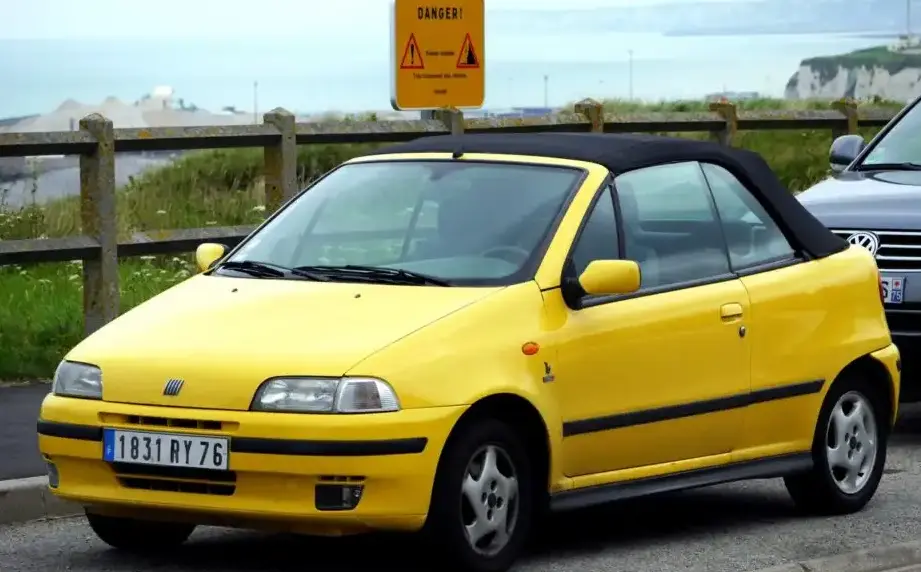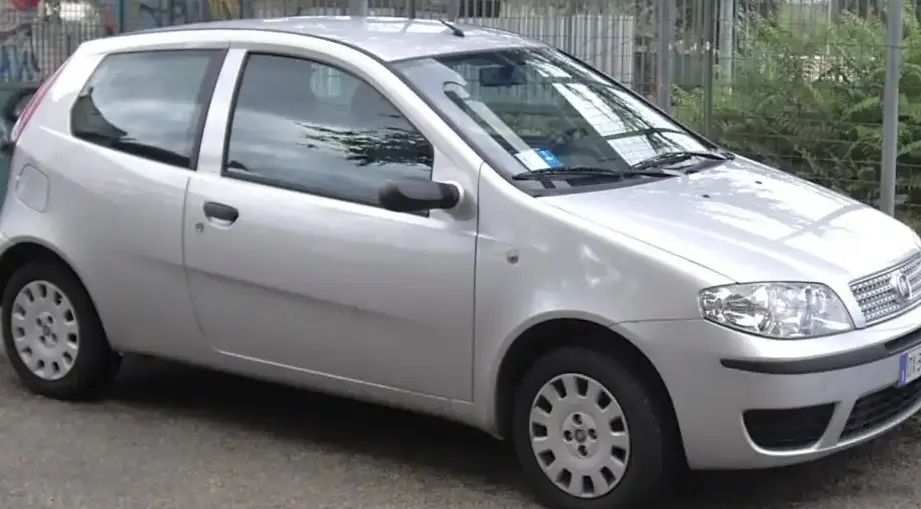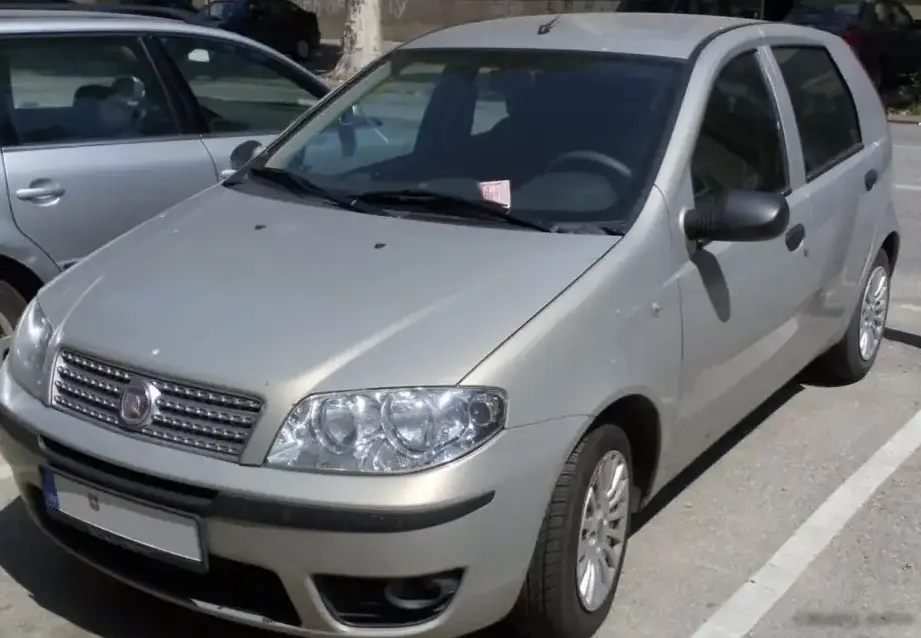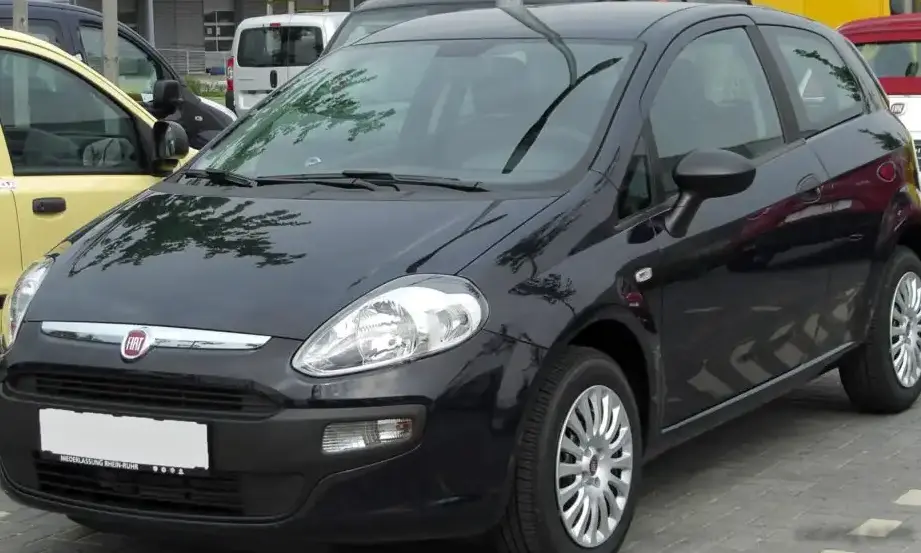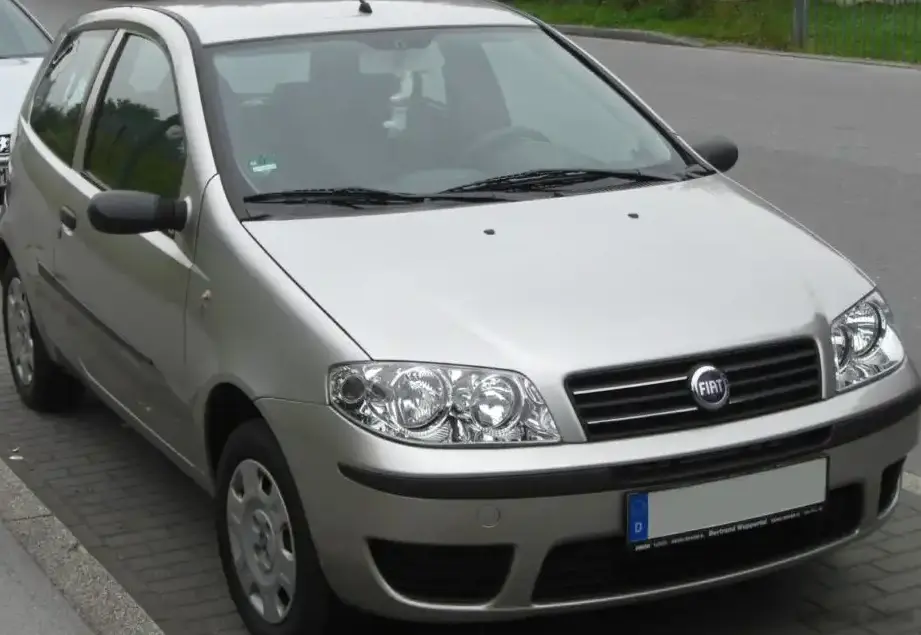
The Fiat Punto II, specifically the 3-door HGT 1.8 variant produced between 2003 and 2005, represented a performance-oriented offering within the second generation of Fiat’s popular supermini. This model, designated internally as the 188 series with a facelift introduced in 2003, aimed to inject a dose of sporting flair into the Punto lineup. Positioned as the top-tier trim level for the 3-door body style, the HGT 1.8 catered to drivers seeking a more engaging driving experience than the standard, lower-powered versions. It was built upon the 1HX0/A3 platform shared with other European small cars of the era.
Technical Specifications
| Brand | Fiat |
| Model | Punto |
| Generation | Punto II (188, facelift 2003) 3dr |
| Type (Engine) | HGT 1.8 (131 Hp) |
| Start of production | 2003 |
| End of production | 2005 |
| Powertrain Architecture | Internal Combustion engine |
| Body type | Hatchback |
| Seats | 5 |
| Doors | 3 |
| Fuel consumption (urban) | 11.5 l/100 km (20.5 US mpg) |
| Fuel consumption (extra urban) | 6.4 l/100 km (36.8 US mpg) |
| Fuel consumption (combined) | 8.3 l/100 km (28.3 US mpg) |
| Fuel Type | Petrol (Gasoline) |
| Acceleration 0 – 100 km/h | 8.6 sec |
| Acceleration 0 – 62 mph | 8.6 sec |
| Acceleration 0 – 60 mph | 8.2 sec |
| Maximum speed | 205 km/h (127.38 mph) |
| Emission standard | Euro 3 |
| Weight-to-power ratio | 7.9 kg/Hp |
| Weight-to-torque ratio | 6.3 kg/Nm |
| Power | 131 Hp @ 6300 rpm |
| Torque | 164 Nm @ 4300 rpm (120.96 lb.-ft. @ 4300 rpm) |
| Engine layout | Front, Transverse |
| Engine Model/Code | 183A1000 |
| Engine displacement | 1747 cm3 (106.61 cu. in.) |
| Number of cylinders | 4 |
| Engine configuration | Inline |
| Cylinder Bore | 82 mm (3.23 in.) |
| Piston Stroke | 82.7 mm (3.26 in.) |
| Compression ratio | 10.3:1 |
| Number of valves per cylinder | 4 |
| Fuel injection system | Multi-port manifold injection |
| Engine aspiration | Naturally aspirated |
| Valvetrain | DOHC |
| Engine oil capacity | 4.1 l (4.33 US qt | 3.61 UK qt) |
| Coolant capacity | 6 l (6.34 US qt | 5.28 UK qt) |
| Kerb Weight | 1040 kg (2292.81 lbs.) |
| Max. weight | 1550 kg (3417.17 lbs.) |
| Max load | 510 kg (1124.36 lbs.) |
| Trunk (boot) space – minimum | 264 l (9.32 cu. ft.) |
| Trunk (boot) space – maximum | 1080 l (38.14 cu. ft.) |
| Fuel tank capacity | 47 l (12.42 US gal | 10.34 UK gal) |
| Length | 3840 mm (151.18 in.) |
| Width | 1660 mm (65.35 in.) |
| Height | 1480 mm (58.27 in.) |
| Wheelbase | 2460 mm (96.85 in.) |
| Front track | 1398 mm (55.04 in.) |
| Rear track | 1392 mm (54.8 in.) |
| Drag coefficient (Cd) | 0.32 |
| Minimum turning circle | 10.7 m (35.1 ft.) |
| Drivetrain | Front wheel drive |
| Number of gears | 5 |
| Gearbox type | Manual transmission |
| Front suspension | Spring Strut |
| Rear suspension | Torsion |
| Front brakes | Ventilated discs |
| Rear brakes | Disc |
| Assisting systems | ABS (Anti-lock braking system) |
| Steering type | Steering rack and pinion |
| Power steering | Electric |
| Tires size | 185/55 R15 |
Powertrain & Engine Architecture
The heart of the HGT 1.8 was the 183A1000 engine, a 1.8-liter inline-four cylinder gasoline engine. This engine was a development of Fiat’s well-established 1.8-liter unit, featuring a double overhead camshaft (DOHC) valvetrain with four valves per cylinder. The engine utilized multi-port fuel injection, delivering fuel directly into the intake ports. The 10.3:1 compression ratio helped to extract a respectable 131 horsepower at 6300 rpm and 164 Nm (120.96 lb-ft) of torque at 4300 rpm. The engine’s design prioritized a balance between performance and fuel efficiency, typical of European small cars. The HGT 1.8 was exclusively offered with a 5-speed manual transmission, designed to maximize the engine’s potential and provide a more engaging driving experience. This transmission featured relatively short gear ratios, contributing to the car’s brisk acceleration.
Driving Characteristics
The Punto HGT 1.8 offered a noticeable step up in performance compared to the lower-spec Punto variants. The 0-60 mph time of around 8.2 seconds and a top speed of 127.38 mph were respectable for a supermini of its era. The engine felt responsive, particularly in the mid-range, making it well-suited for spirited driving on winding roads. The short gear ratios of the 5-speed manual transmission kept the engine within its power band, allowing for quick acceleration. However, the Punto’s relatively lightweight chassis (1040 kg / 2292.81 lbs) meant that the power was never overwhelming. Compared to the 1.2-liter and 1.4-liter models, the HGT 1.8 provided a significantly more engaging and rewarding driving experience. It lacked the outright performance of larger hot hatches, but offered a compelling blend of practicality and fun.
Equipment & Trim Levels
The HGT 1.8 trim level came reasonably well-equipped for its time. Standard features typically included alloy wheels, sports seats, a leather-wrapped steering wheel, and electric front windows. Air conditioning was often included, but sometimes offered as an optional extra. The interior featured a sporty design with a dark color scheme and unique upholstery. Optional extras could include a sunroof, upgraded audio system, and central locking. The 3-door configuration emphasized a more youthful and sporty image, appealing to drivers who prioritized style and driving enjoyment over rear passenger access.
Chassis & Braking
The Punto HGT 1.8 utilized a MacPherson strut front suspension and a torsion beam rear suspension. This setup provided a good balance between ride comfort and handling. The front brakes were ventilated discs, offering good stopping power, while the rear brakes were solid discs. Anti-lock Braking System (ABS) was standard, enhancing safety. The steering was rack and pinion with electric power assistance, providing precise and responsive control. The relatively lightweight construction of the Punto contributed to its nimble handling characteristics.
Market Reception & Comparison
The Punto HGT 1.8 was generally well-received by automotive critics, who praised its lively engine, engaging handling, and sporty styling. It was often seen as a more appealing alternative to other superminis, offering a more dynamic driving experience. Fuel economy was reasonable for a performance-oriented model, averaging around 28.3 US mpg in combined driving. Compared to the lower-powered Punto variants, the HGT 1.8 offered a significant performance upgrade, but at a higher price point. Reliability was generally good, although some owners reported minor issues with the electrical system. The HGT 1.8 competed with other sporty superminis such as the Renault Clio Sport and the Volkswagen Polo GTI.
Legacy
The Fiat Punto HGT 1.8 has developed a modest following among enthusiasts. The 183A1000 engine is known for its durability and relatively simple maintenance requirements. While not a highly sought-after classic, well-maintained examples are becoming increasingly rare. The HGT 1.8 represents a fun and affordable entry point into the world of European performance hatchbacks. In the used car market, these models are often appreciated for their combination of practicality, style, and driving enjoyment. The Punto HGT 1.8 remains a testament to Fiat’s ability to create engaging and affordable cars.