Technical Specifications
| Brand | Fiat |
| Model | Regata |
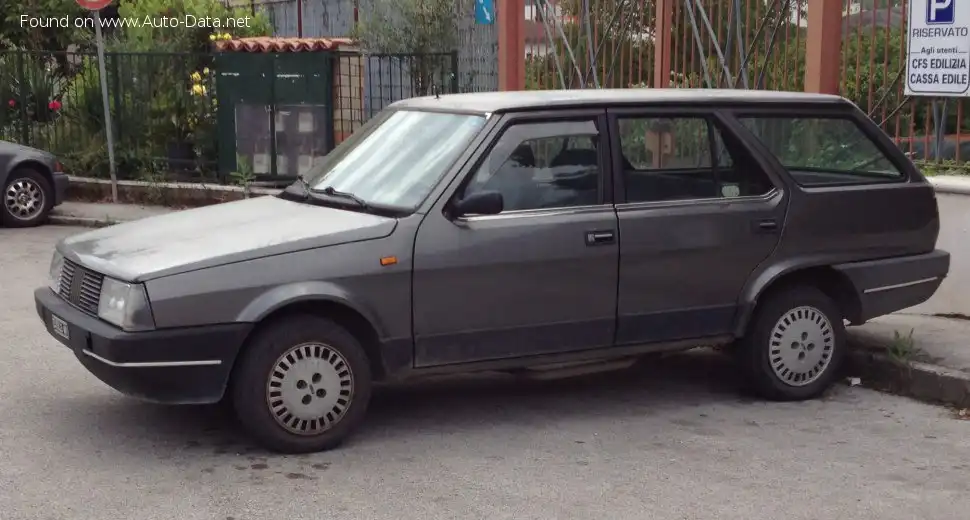
| Generation | Regata Weekend |
| Type (Engine) | 65 Diesel 1.9 (65 Hp) |
| Start of Production | 1984 |
| End of Production | 1989 |
| Powertrain Architecture | Internal Combustion Engine |
| Body Type | Station Wagon (Estate) |
| Fuel Type | Diesel |
| Power | 65 Hp |
| Engine Aspiration | Naturally Aspirated |
| Length | 4267 mm (167.99 in) |
| Width | 1650 mm (64.96 in) |
| Height | 1450 mm (57.09 in) |
| Wheelbase | 2455 mm (96.65 in) |
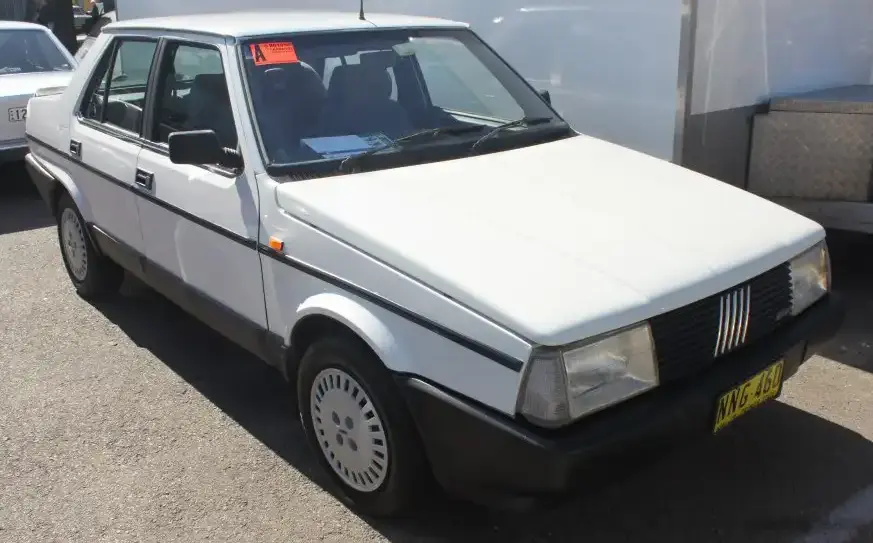
The Fiat Regata Weekend 65 Diesel 1.9, produced between 1984 and 1989, represents a practical and economical offering within the broader Fiat Regata lineup. As a station wagon (estate) variant, the Weekend aimed to provide increased cargo capacity and versatility compared to the standard Regata sedan. This particular 65 horsepower diesel version was positioned as the entry-level model, prioritizing fuel efficiency and affordability over outright performance. It was a key component of Fiat’s strategy to offer a range of vehicles catering to diverse needs within the European market, particularly for families and those requiring a workhorse vehicle.
Powertrain & Engine Architecture
The Regata Weekend 65 Diesel 1.9 utilized a 1.9-liter, naturally aspirated diesel engine. While specific engine codes varied depending on the market – often falling within the Fiat X1D family – it was fundamentally a robust and simple design. This engine was known for its durability and relatively straightforward mechanical construction. It featured indirect injection, a common characteristic of diesel engines of that era, employing a pre-combustion chamber to improve combustion efficiency. The engine’s robust cast iron block and head significantly contributed to its longevity. The fuel injection system was a mechanical, inline pump system, delivering fuel directly to the pre-combustion chambers. The valvetrain consisted of a single overhead camshaft operating two valves per cylinder. The transmission paired with this engine was typically a four-speed manual, though a three-speed automatic was also available, albeit less common. The automatic transmission was designed for smooth, if not particularly quick, shifts, prioritizing fuel economy and ease of use over sporty performance.
Driving Characteristics
The driving experience in the Regata Weekend 65 Diesel was characterized by its practicality and economy rather than excitement. With only 65 horsepower on tap, acceleration was modest, and overtaking required careful planning. The engine produced a respectable amount of torque for its displacement, peaking relatively low in the rev range, making it suitable for hauling loads and navigating hilly terrain. The three-speed automatic transmission, when equipped, further tempered performance, with noticeable gaps between gears. Gear ratios were optimized for fuel efficiency, resulting in a relaxed cruising speed. The suspension, while comfortable enough for everyday driving, wasn’t particularly sporty, leaning towards a softer setup to absorb bumps and provide a stable ride when fully loaded. Compared to the more powerful gasoline-powered Regata variants, or even the later diesel models with turbocharging, the 65 Diesel felt significantly slower and less refined. However, it offered a compelling value proposition for buyers prioritizing fuel economy and low running costs.
Equipment & Trim Levels
The Regata Weekend 65 Diesel was generally offered with a fairly basic level of equipment, reflecting its position as the entry-level trim. Standard features typically included cloth upholstery, a simple dashboard layout with analog gauges, and manual windows and door locks. The steering was unassisted, providing a direct feel but requiring more effort at low speeds. Optional extras included a radio, upgraded interior trim, and occasionally, air conditioning, though this was less common on the base model. The interior was designed with practicality in mind, featuring durable materials and a focus on functionality. The rear seats could be folded down to increase cargo space, further enhancing the Weekend’s versatility. The exterior trim was relatively understated, with black plastic bumpers and simple steel wheels being common features.
Chassis & Braking
The Regata Weekend utilized a relatively conventional chassis design for the era. It featured a front independent suspension with MacPherson struts and a rear rigid axle suspension with leaf springs. This setup provided a comfortable ride, but wasn’t known for its handling prowess. Braking was typically accomplished with front disc brakes and rear drum brakes. The braking system was adequate for the vehicle’s weight and performance, but lacked the sophistication of more modern systems. Stabilizer bars were often omitted on the base model to keep costs down, further contributing to the car’s somewhat soft handling characteristics. The steering system was a recirculating ball type, providing a direct feel but lacking the precision of rack-and-pinion steering.
Market Reception & Comparison
The Fiat Regata Weekend 65 Diesel was generally well-received in the European market as a practical and affordable family vehicle. Critics praised its fuel efficiency and spacious interior, but noted its lack of performance and refinement compared to more expensive competitors. Compared to other Regata variants, such as the 1.6-liter gasoline models or the later 1.9-liter turbocharged diesel, the 65 Diesel offered significantly lower running costs but at the expense of performance. It competed directly with other European station wagons of the time, such as the Renault 19 Estate and the Peugeot 305 Break, offering a similar blend of practicality and affordability. Its reliability was generally considered good, although the mechanical fuel injection system required periodic maintenance. Fuel economy was a major selling point, consistently achieving impressive mileage figures for its class.
Legacy
The Fiat Regata Weekend 65 Diesel, while not a particularly glamorous vehicle, holds a significant place in automotive history as a representative of the practical and economical family cars of the 1980s. The 1.9-liter diesel engine proved to be remarkably durable, and many examples are still on the road today, testament to its robust construction. In the used car market, these vehicles are often sought after by enthusiasts looking for a simple, reliable, and affordable classic. Maintenance is relatively straightforward, and parts availability, while diminishing, is still reasonable. The Regata Weekend 65 Diesel remains a popular choice for those seeking a classic European station wagon that prioritizes practicality and fuel efficiency over outright performance. It represents a bygone era of automotive design, where durability and affordability were often prioritized over luxury and technological innovation.