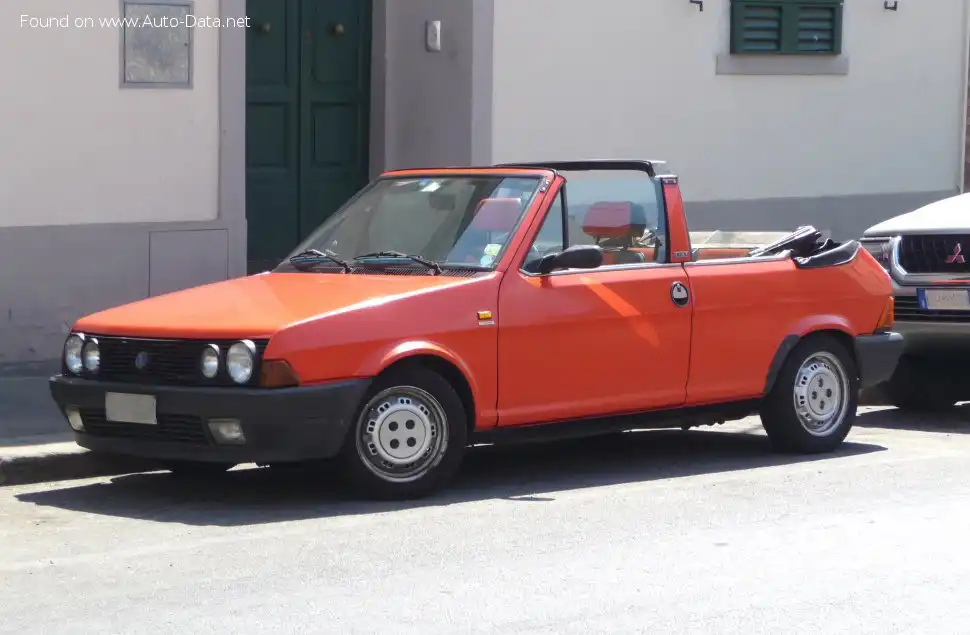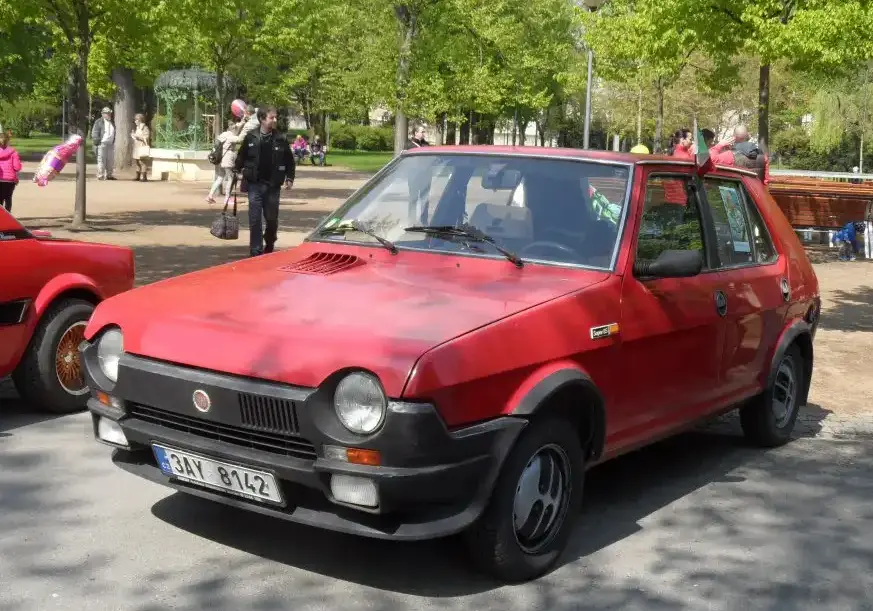
The Fiat Ritmo I, specifically the 55 Diesel 1.7 variant produced between 1979 and 1982, represents an important entry point into the compact hatchback market for Fiat. Part of the 138A project, the Ritmo aimed to modernize Fiat’s offerings and provide a practical, fuel-efficient vehicle for European consumers. This particular diesel version was positioned as the economy-focused trim, appealing to buyers prioritizing fuel costs over outright performance. It played a crucial role in establishing the Ritmo as a popular choice in a segment increasingly dominated by competitors like the Volkswagen Golf and Renault 5. The Ritmo, and this diesel variant in particular, was a significant departure from the rear-engined Fiat 127 it partially replaced, embracing a more conventional front-wheel-drive layout.
Technical Specifications
| Brand | Fiat |
| Model | Ritmo |
| Generation | Ritmo I (138A) |
| Type (Engine) | 55 Diesel 1.7 (55 Hp) |
| Start of production | 1979 |
| End of production | 1982 |
| Powertrain Architecture | Internal Combustion engine |
| Body type | Hatchback |
| Fuel Type | Diesel |
| Power | 55 Hp |
| Engine Model/Code | 138 A5.000 |
| Engine aspiration | Naturally aspirated engine |
Powertrain & Engine Architecture
The heart of the Ritmo 55 Diesel is the 1.7-liter (1697cc) inline-four cylinder diesel engine, designated as the 138 A5.000. This engine is a naturally aspirated, indirect injection diesel, a common configuration for the era. Indirect injection, utilizing a pre-chamber, allowed for quieter operation and easier starting compared to direct injection systems, though at the cost of some efficiency. The engine produces 55 horsepower (41 kW) at 4,000 rpm and approximately 88 lb-ft (120 Nm) of torque at 2,200 rpm. The engine features a single overhead camshaft operating two valves per cylinder. Fuel delivery is managed by a Bosch mechanical fuel injection pump. The Ritmo 55 Diesel was exclusively offered with a four-speed manual transmission, a deliberate choice to keep costs down and maximize fuel economy. This transmission was a standard Fiat unit, known for its relatively simple and robust design. The engine block is cast iron, contributing to its durability, while the cylinder head is aluminum.
Driving Characteristics
The Ritmo 55 Diesel’s driving experience is defined by its modest power output and focus on fuel efficiency. Acceleration is leisurely, with a 0-60 mph time estimated around 18-20 seconds. The four-speed manual transmission is geared for economy, with relatively tall ratios. This means that while highway cruising is acceptable, overtaking maneuvers require careful planning. The engine’s torque peak at 2,200 rpm provides reasonable pulling power in the lower gears, making it suitable for navigating city streets and hilly terrain. Compared to the gasoline-powered Ritmo variants, the diesel offers significantly better fuel economy – typically around 45-50 mpg – but lacks the responsiveness and higher top speed of its petrol counterparts. The Ritmo’s front-wheel-drive layout provides predictable handling, although the suspension setup, geared towards comfort, results in noticeable body roll during cornering. The steering is light and relatively precise, making it easy to maneuver in tight spaces.
Equipment & Trim Levels
The Ritmo 55 Diesel was the base model of the Ritmo range, and as such, it featured a relatively sparse equipment list. Standard features typically included cloth upholstery, vinyl floor covering, and basic instrumentation consisting of a speedometer, fuel gauge, and temperature gauge. The dashboard design is functional and straightforward, reflecting the car’s economy-focused positioning. Optional extras were limited but could include a radio, heated rear window, and upgraded interior trim. The exterior trim was also basic, with black plastic bumpers and steel wheels with hubcaps. The interior space is reasonably generous for a car of its size, offering comfortable seating for four adults. The rear seats can be folded down to increase cargo capacity, adding to the Ritmo’s practicality.
Chassis & Braking
The Ritmo I utilizes a MacPherson strut front suspension with an anti-roll bar, providing a comfortable ride and reasonable handling. The rear suspension employs a twist-beam axle, a cost-effective and space-saving design. The Ritmo 55 Diesel’s braking system consists of disc brakes on the front wheels and drum brakes on the rear wheels. The braking performance is adequate for everyday driving, but it lacks the stopping power of more modern vehicles. The steering is rack and pinion, providing precise and responsive control. The Ritmo’s chassis is relatively lightweight, contributing to its fuel efficiency and maneuverability. The tires are typically 165/80 R13, chosen for their balance of grip, comfort, and cost.
Market Reception & Comparison
The Ritmo 55 Diesel was generally well-received in the European market as a practical and economical hatchback. Critics praised its fuel efficiency and durability, but noted its lack of performance. Compared to the gasoline-powered Ritmo variants, the diesel offered significantly better fuel economy but was considerably slower. The 1.6-liter gasoline engine, for example, produced around 90 hp, offering a noticeable performance advantage. The Ritmo 55 Diesel competed directly with other small diesel hatchbacks, such as the Peugeot 205 Diesel and the Renault 5 Diesel. The Ritmo’s strengths lay in its spacious interior and comfortable ride, while its competitors often offered more engaging driving dynamics. The Ritmo 55 Diesel was particularly popular with fleet buyers and drivers who prioritized fuel economy over performance.
Legacy
The Ritmo 55 Diesel, while not the most exciting variant in the Ritmo lineup, proved to be a reliable and durable vehicle. The 138 A5.000 diesel engine is known for its longevity, and many examples are still on the road today. The Ritmo’s front-wheel-drive layout and modern styling represented a significant step forward for Fiat, paving the way for future models. In the used car market, the Ritmo 55 Diesel is appreciated by enthusiasts for its simplicity and affordability. Parts availability can be a challenge, but the engine’s robust design means that it can withstand years of use with minimal maintenance. The Ritmo 55 Diesel remains a testament to Fiat’s ability to produce practical and economical vehicles that appeal to a wide range of buyers. It’s a classic example of late 70s/early 80s European motoring, offering a glimpse into a time when fuel efficiency and durability were paramount.