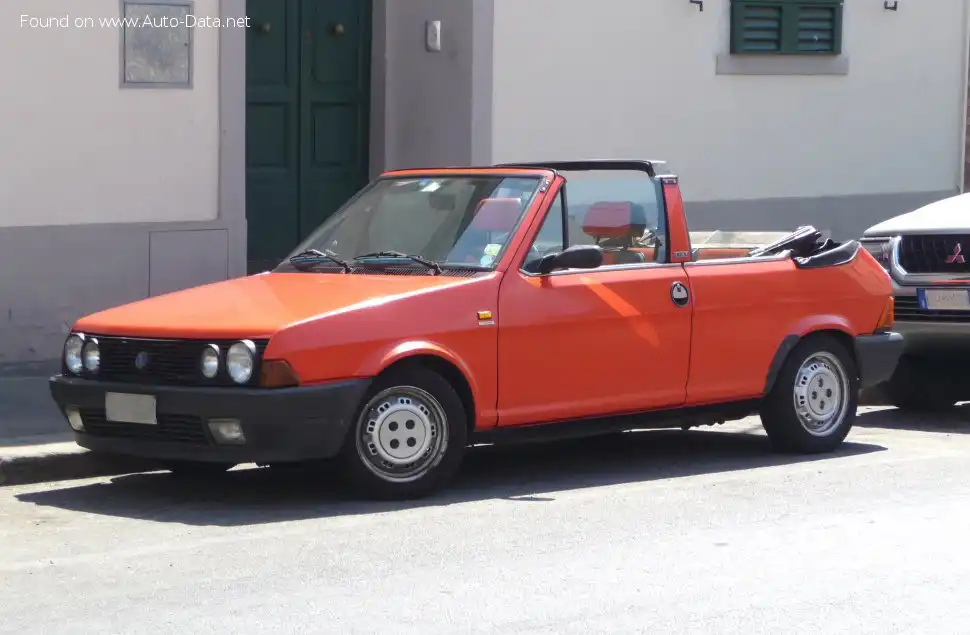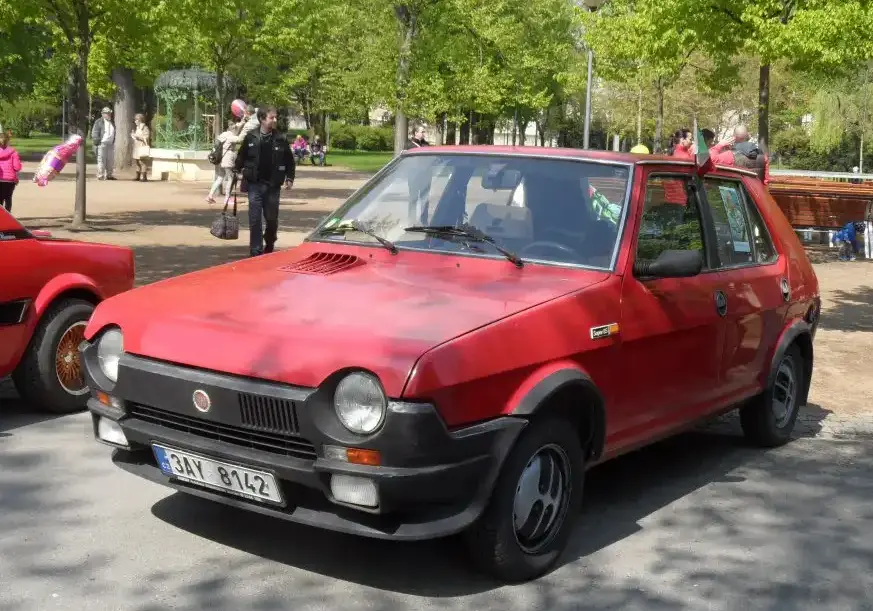
The Fiat Ritmo I, specifically the 55 Diesel 1.7 variant produced between 1979 and 1982, represents an important entry point into the compact hatchback market for Fiat. Part of the 138A project, the Ritmo aimed to modernize Fiat’s offerings and provide a practical, fuel-efficient vehicle for European consumers. This particular diesel version was positioned as the economy-focused trim, appealing to buyers prioritizing low running costs over outright performance. It played a crucial role in establishing the Ritmo as a popular choice in a segment increasingly dominated by competitors like the Volkswagen Golf and Renault 5. The Ritmo, and this diesel variant in particular, was a significant departure from the rear-engined Fiat 127 it partially replaced, embracing a more conventional front-wheel-drive layout.
Technical Specifications
| Brand | Fiat |
| Model | Ritmo |
| Generation | Ritmo I (138A) |
| Type (Engine) | 55 Diesel 1.7 (58 Hp) |
| Start of production | 1979 |
| End of production | 1982 |
| Powertrain Architecture | Internal Combustion engine |
| Body type | Hatchback |
| Fuel Type | Diesel |
| Power | 58 Hp |
| Engine Model/Code | 138 A5.000 |
| Engine aspiration | Naturally aspirated engine |
Powertrain & Engine Architecture
The heart of the Ritmo 55 Diesel is the 1.7-liter, naturally aspirated diesel engine, designated as the 138 A5.000. This engine is a four-cylinder unit with a cast iron block and an aluminum cylinder head. It utilizes an indirect injection system, a common feature for diesel engines of the era, employing a pre-chamber combustion system to improve cold-starting and reduce noise. The engine’s modest 58 horsepower output at around 4,200 rpm and 86 lb-ft of torque at 2,200 rpm were achieved through a relatively low compression ratio for a diesel, around 23:1. The valvetrain consists of a single overhead camshaft operating two valves per cylinder.
The Ritmo 55 Diesel was exclusively offered with a four-speed manual transmission. This transmission was chosen to maximize fuel efficiency and keep production costs down. The gearbox featured synchromesh on all forward gears, providing relatively smooth shifting for the time. The transmission’s gear ratios were geared towards economy, with a relatively tall final drive ratio. An automatic transmission was not offered on this specific variant, reflecting its positioning as a budget-conscious option.
Driving Characteristics
The driving experience of the Ritmo 55 Diesel is defined by its practicality and fuel economy rather than performance. Acceleration is leisurely, taking approximately 18 seconds to reach 60 mph. The engine’s torque characteristics mean that it feels more responsive in the mid-range than at higher engine speeds. The four-speed manual transmission requires deliberate shifting, and the gear ratios are spaced to prioritize fuel efficiency. Compared to the gasoline-powered Ritmo variants, the diesel model offers significantly better fuel economy, but at the expense of performance. The manual transmission provides a more engaging driving experience than an automatic would have, but it also demands more driver involvement. The Ritmo’s front-wheel-drive layout provides predictable handling, although the relatively narrow tires and basic suspension setup limit grip.
Equipment & Trim Levels
The Ritmo 55 Diesel was the base trim level, and as such, it came equipped with a relatively sparse set of standard features. The interior typically featured cloth upholstery, often in a durable, patterned fabric. The dashboard was constructed from hard plastics, reflecting the car’s budget-oriented nature. Standard equipment included basic instrumentation – speedometer, fuel gauge, and temperature gauge – along with a two-spoke steering wheel. Optional extras included a radio, heated rear window, and upgraded interior trim. The exterior featured steel wheels with hubcaps, black plastic bumpers, and relatively simple exterior trim. The focus was on functionality and affordability, rather than luxury or aesthetic appeal.
Chassis & Braking
The Ritmo I utilized a MacPherson strut front suspension and a twist-beam rear suspension. This setup provided a reasonable balance between ride comfort and handling, although it wasn’t particularly sophisticated. The front suspension featured an anti-roll bar, helping to reduce body roll during cornering. The braking system consisted of disc brakes on the front wheels and drum brakes on the rear wheels. This configuration was typical for cars in this price range during the late 1970s and early 1980s. The brakes provided adequate stopping power for normal driving conditions, but they lacked the performance of more advanced braking systems. The Ritmo’s chassis was relatively lightweight, contributing to its fuel efficiency and manageable handling.
Market Reception & Comparison
The Ritmo 55 Diesel received mixed reviews from automotive critics. While praised for its fuel economy and practicality, it was often criticized for its lack of performance and basic interior. Compared to the gasoline-powered Ritmo variants, the diesel model was significantly slower, but it offered a substantial improvement in fuel efficiency. Against competitors like the Volkswagen Golf Diesel, the Ritmo 55 Diesel offered a lower price point, but it lacked the Golf’s refinement and build quality. The Ritmo’s indirect injection diesel engine was considered relatively noisy and rough compared to some of its competitors. However, its simplicity and durability made it a popular choice for fleet operators and budget-conscious buyers.
Legacy
The Ritmo 55 Diesel powertrain, while not known for its high performance, proved to be remarkably durable and reliable. Many examples remain on the road today, testament to the engine’s robust construction. In the used car market, the Ritmo 55 Diesel is often sought after by enthusiasts looking for a classic, affordable, and fuel-efficient hatchback. Maintenance is relatively straightforward, and spare parts are still available, although sourcing some components can be challenging. The 138 A5.000 engine is known for its longevity, and with proper maintenance, it can provide many years of reliable service. The Ritmo 55 Diesel represents a significant chapter in Fiat’s history, demonstrating the company’s commitment to providing practical and affordable transportation to the masses. It remains a popular choice for those seeking a classic European hatchback with a focus on fuel efficiency and simplicity.