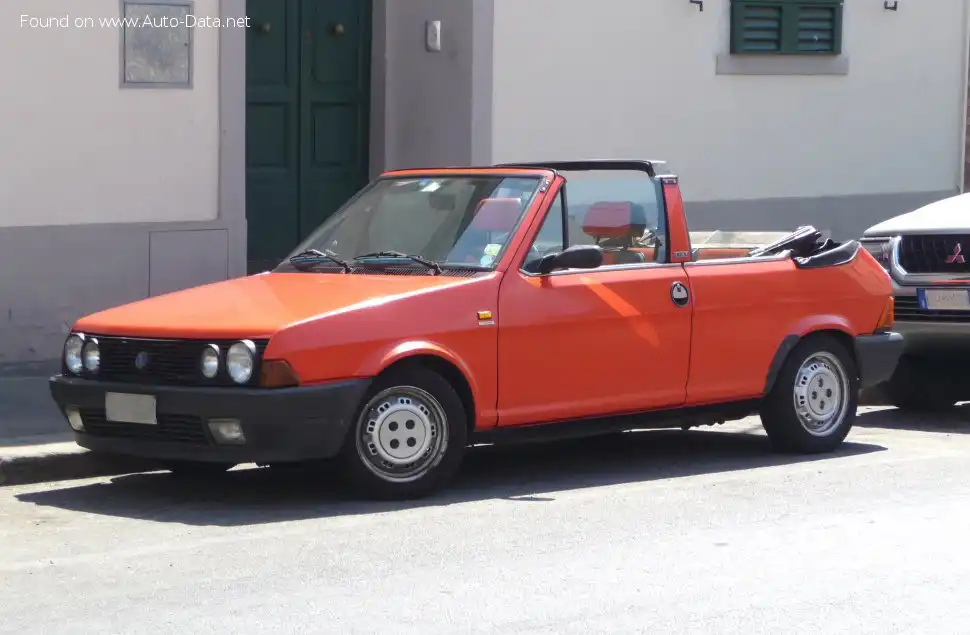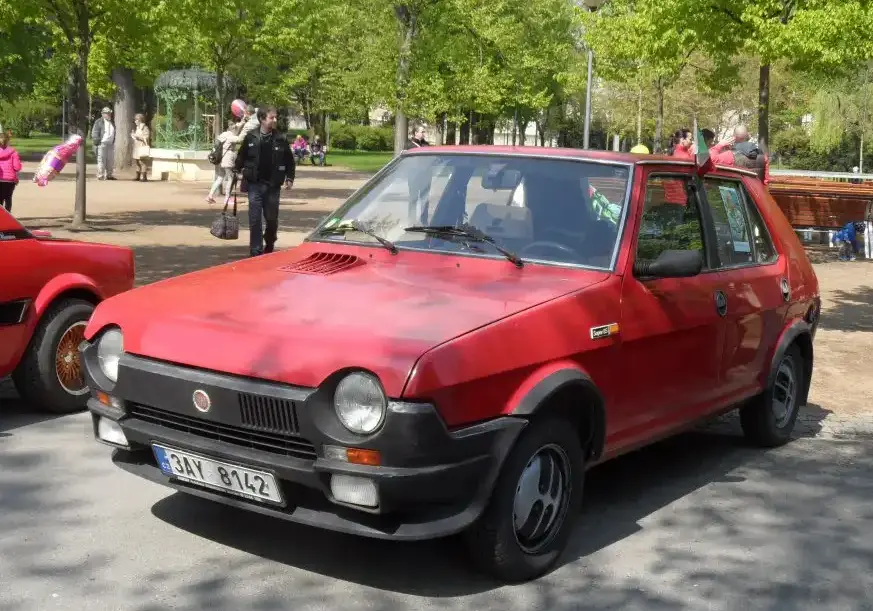
The Fiat Ritmo 75 i.e. 1.5, produced between 1985 and 1987, represents a mid-range offering within the first generation (138A) of the Ritmo model line. Introduced as a more refined and powerful alternative to the base models, the 75 i.e. aimed to attract buyers seeking a blend of practicality, fuel efficiency, and a touch of performance in the compact hatchback segment. The Ritmo, designed by the renowned Italian design house Bertone under the direction of Marcello Gandini, was Fiat’s attempt to modernize its compact car offerings and compete with increasingly sophisticated rivals like the Volkswagen Golf and Opel Astra. This variant, with its electronic fuel injection, was a step up from the carburetor-equipped models, offering improved drivability and emissions.
Technical Specifications
| Brand | Fiat |
| Model | Ritmo |
| Generation | Ritmo I (138A) |
| Type (Engine) | 75 i.e. 1.5 (75 Hp) |
| Start of production | 1985 |
| End of production | 1987 |
| Powertrain Architecture | Internal Combustion Engine |
| Body type | Hatchback |
| Fuel Type | Petrol (Gasoline) |
| Power | 75 Hp |
| Engine Model/Code | 138 C3.048 |
| Engine Aspiration | Naturally Aspirated |
Powertrain & Engine Architecture
The heart of the Ritmo 75 i.e. is the 1.5-liter, inline-four cylinder engine designated as the 138 C3.048. This engine represents a significant upgrade over the earlier, carburetor-fed 1.3 and 1.5-liter engines offered in the Ritmo range. The “i.e.” designation stands for “iniezione elettronica” (electronic injection), signifying the adoption of Bosch Mono-Jetronic fuel injection. This system replaced the traditional carburetor, providing more precise fuel metering, resulting in improved fuel economy, reduced emissions, and enhanced throttle response. The engine features a single overhead camshaft (SOHC) operating two valves per cylinder. Bore and stroke dimensions are 79.0 mm x 80.0 mm, resulting in a displacement of 1498 cc. The compression ratio is 9.2:1. The engine produces 75 horsepower (56 kW) at 6000 rpm and 116 Nm (86 lb-ft) of torque at 4000 rpm. The engine is paired with a three-speed automatic transmission, a relatively uncommon option for European cars of this era, and one that significantly altered the driving experience compared to the available five-speed manual.
Driving Characteristics
The Ritmo 75 i.e. with the automatic transmission delivers a comfortable, if not particularly sporty, driving experience. The three-speed automatic, while providing convenience, does detract from the engine’s potential. Gear ratios are optimized for fuel economy and smooth cruising rather than rapid acceleration. Acceleration from 0 to 60 mph is estimated to be around 12-13 seconds, and top speed is approximately 95 mph. Compared to the manual transmission versions of the 75 i.e., the automatic suffers a noticeable performance penalty. The manual gearbox allows for better control and utilizes the engine’s powerband more effectively. The automatic’s shift points are relatively conservative, prioritizing smoothness over maximizing performance. However, for drivers prioritizing ease of use and relaxed driving, the automatic Ritmo 75 i.e. provides a pleasant experience, particularly in urban environments. The steering is light and precise, and the suspension offers a reasonable compromise between comfort and handling.
Equipment & Trim Levels
The Ritmo 75 i.e. occupied a mid-range position in the Ritmo lineup, offering a step up in features compared to the base models but falling short of the more luxurious trims. Standard equipment typically included cloth upholstery, a basic instrument cluster with speedometer, fuel gauge, and temperature gauge, and a two-spoke steering wheel. The interior plastics were durable but not particularly refined. Optional extras included a sunroof, upgraded stereo system, and power windows. The 75 i.e. also featured improved sound insulation compared to lower-spec models, contributing to a more comfortable cabin environment. Exterior features generally included body-colored bumpers and wheel arch extensions. The trim level often dictated the availability of features like a rear window wiper and upgraded interior trim materials.
Chassis & Braking
The Ritmo 75 i.e. utilizes a front-engine, front-wheel-drive layout. The suspension consists of independent front suspension with MacPherson struts and a twist-beam rear axle. The front suspension incorporates anti-roll bar to reduce body roll during cornering. Braking is typically accomplished with disc brakes on the front wheels and drum brakes on the rear wheels. The braking system is hydraulically assisted, providing adequate stopping power for everyday driving. The Ritmo’s chassis is relatively lightweight, contributing to its nimble handling characteristics. The steering is rack and pinion, providing precise and responsive steering feel. The tires are typically 175/70 R14, offering a good balance of grip and ride comfort.
Market Reception & Comparison
The Ritmo 75 i.e. was generally well-received by automotive critics as a competent and practical hatchback. The electronic fuel injection was praised for improving performance and fuel economy compared to the carburetor models. However, the three-speed automatic transmission was often criticized for its lack of responsiveness and its impact on overall performance. Compared to rivals like the Volkswagen Golf and Opel Astra, the Ritmo offered a more distinctive styling and a slightly more affordable price point. However, it generally lagged behind in terms of build quality and refinement. Fuel economy for the automatic version was around 28-32 mpg, slightly lower than the manual transmission models. Reliability was generally considered average for a European car of the 1980s, with some owners reporting issues with the electrical system and the automatic transmission.
Legacy
The Fiat Ritmo, and specifically the 75 i.e. variant, holds a modest but significant place in automotive history. It represented Fiat’s attempt to modernize its compact car offerings and compete in a rapidly evolving market. While not a runaway success, the Ritmo proved to be a popular choice for buyers seeking a practical and affordable hatchback. The 138 C3.048 engine, with its Bosch Mono-Jetronic fuel injection, was a notable technological advancement for Fiat at the time. Today, the Ritmo 75 i.e. is a relatively rare sight on the roads, and well-maintained examples are becoming increasingly sought after by classic car enthusiasts. The automatic transmission versions, while less desirable to performance enthusiasts, offer a unique and comfortable driving experience. The long-term reliability of the powertrain is generally good, provided the car has been properly maintained. Parts availability can be a challenge, but a dedicated community of Ritmo owners and enthusiasts helps to keep these cars on the road.