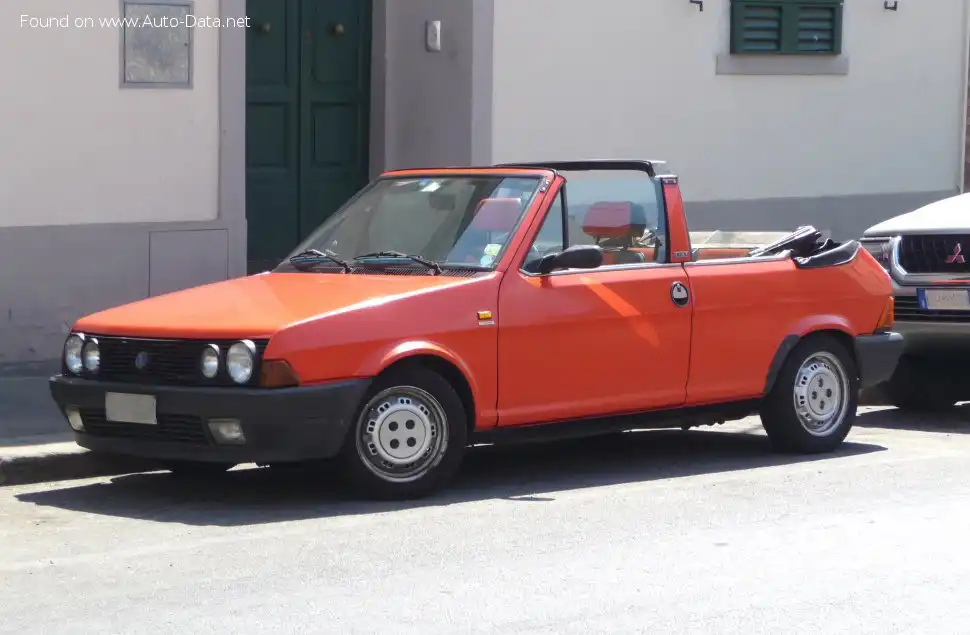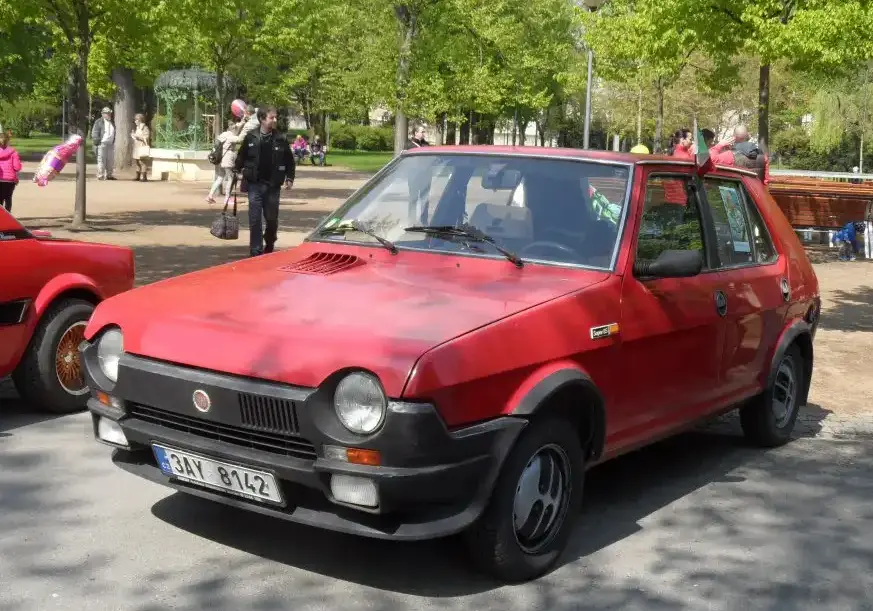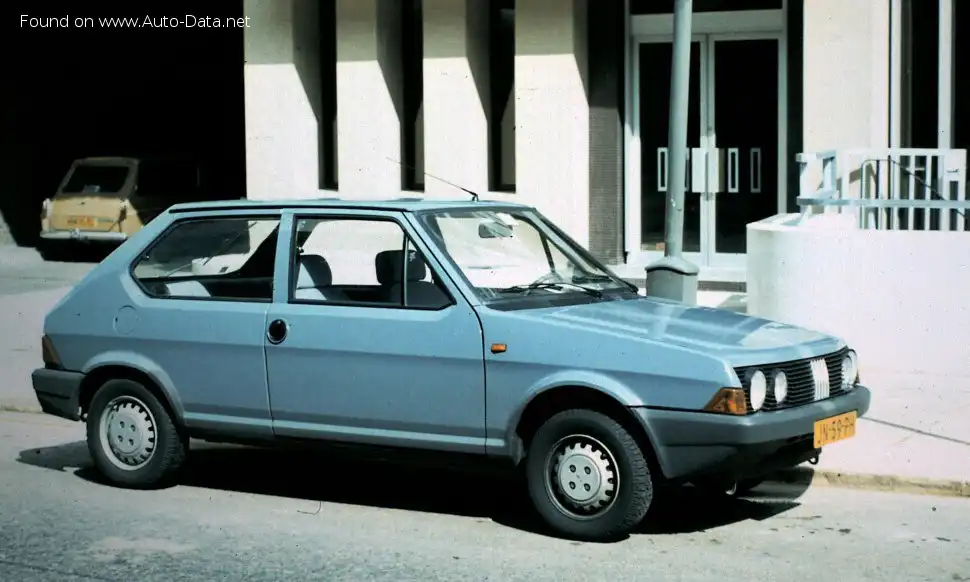
The Fiat Ritmo 105 1.6, produced from 1983 to 1987, represents a performance-oriented variant within the Ritmo (Type 138) range. This facelifted version of the original Ritmo, designated 138A, aimed to inject some sporting appeal into the compact hatchback market. Positioned as a step up from the base models, the 105 1.6 offered increased horsepower and a more engaging driving experience, though it remained accessible to a broad customer base. It was a key model in Fiat’s attempt to modernize its image and compete with increasingly sophisticated European rivals like the Volkswagen Golf and Opel Astra.
Technical Specifications
| Brand | Fiat |
| Model | Ritmo |
| Generation | Ritmo I (138A, facelift 1982) |
| Type (Engine) | 105 1.6 (105 Hp) |
| Start of production | 1983 |
| End of production | 1987 |
| Powertrain Architecture | Internal Combustion engine |
| Body type | Coupe |
| Fuel Type | Petrol (Gasoline) |
| Power | 105 Hp |
| Engine Model/Code | 138 AR.000 |
| Engine aspiration | Naturally aspirated engine |
Powertrain & Engine Architecture
The heart of the Ritmo 105 1.6 is the 138 AR.000 engine, a 1.6-liter inline-four cylinder gasoline engine. This engine is a naturally aspirated unit, meaning it doesn’t employ forced induction like a turbocharger or supercharger. It features a cast iron block and an aluminum cylinder head, a common configuration for engines of this era. The engine utilizes a single overhead camshaft (SOHC) valvetrain, operating two valves per cylinder. Fuel delivery is managed by a Bosch mechanical fuel injection system, a significant upgrade over the carburetors found in earlier Ritmo models. This injection system contributed to improved fuel efficiency and reduced emissions compared to carbureted counterparts. The engine’s bore and stroke are 80mm x 80mm, resulting in a displacement of 1585cc. While not a particularly high-revving engine, it produces a respectable 105 horsepower at 6000 rpm and 137 Nm (101 lb-ft) of torque at 4000 rpm. The Ritmo 105 1.6 was typically paired with a four-speed manual transmission, although a three-speed automatic transmission was also available, albeit less common. The automatic transmission, while offering convenience, did noticeably impact acceleration and fuel economy.
Driving Characteristics
The Ritmo 105 1.6 offered a noticeable step up in performance compared to the lower-powered versions. With 105 hp propelling a relatively lightweight body, the Ritmo felt lively and responsive. Acceleration from 0 to 60 mph was around 9.5 seconds, which was competitive for its class in the early 1980s. The four-speed manual transmission allowed drivers to effectively utilize the engine’s powerband, while the optional automatic, though smoother, resulted in slower acceleration times. The Ritmo’s handling was generally considered good for a front-wheel-drive hatchback of its time. The suspension, consisting of MacPherson struts at the front and a twist-beam axle at the rear, provided a reasonable balance between comfort and handling. However, the Ritmo wasn’t known for being a particularly precise handler, and body roll was noticeable during cornering. The steering, while not overly heavy, lacked significant feedback. The automatic transmission version, due to its different gear ratios, felt somewhat more relaxed in cruising situations but less engaging when driven enthusiastically.
Equipment & Trim Levels
The Ritmo 105 1.6 typically came with a higher level of standard equipment than the base models. This included features such as upgraded cloth upholstery, a more comprehensive instrument cluster with a tachometer, and often, alloy wheels. The interior design was functional and relatively modern for its time, though material quality was generally basic. Optional extras included a sunroof, upgraded audio systems, and metallic paint finishes. The Ritmo 105 1.6 was often identified by subtle exterior styling cues, such as a rear spoiler and distinctive badging. The interior trim was usually darker in color, with a focus on providing a sportier feel. The dashboard layout was similar to other Ritmo models, but the 105 1.6 often featured additional gauges and a more refined steering wheel.
Chassis & Braking
The Ritmo 105 1.6 utilized a front-wheel-drive chassis with a MacPherson strut suspension at the front and a twist-beam axle at the rear. The braking system consisted of disc brakes at the front and drum brakes at the rear. While adequate for everyday driving, the rear drum brakes were a point of criticism, as they offered less stopping power and were more prone to fading under heavy use. The Ritmo’s steering was a rack-and-pinion system, providing reasonable precision. The chassis was relatively lightweight, contributing to the car’s nimble handling. Stabilizer bars were fitted to both the front and rear axles, helping to reduce body roll during cornering. The tires were typically 175/70 R14, providing a good balance between grip and ride comfort.
Market Reception & Comparison
The Ritmo 105 1.6 was generally well-received by automotive critics, who praised its performance and value for money. It was seen as a more engaging alternative to the base models, offering a sportier driving experience without a significant price premium. However, some critics noted the car’s somewhat basic interior and the limitations of the rear drum brakes. Compared to its rivals, such as the Volkswagen Golf GTI and Opel Astra SR, the Ritmo 105 1.6 offered a similar level of performance at a lower price point. However, it lacked the refinement and build quality of its German competitors. Fuel economy was reasonable for the time, averaging around 30-35 mpg. Reliability was generally good, although the Bosch fuel injection system could occasionally require maintenance. The automatic transmission version was often criticized for its sluggish performance and reduced fuel economy.
Legacy
The Fiat Ritmo 105 1.6, while not a groundbreaking vehicle, holds a significant place in Fiat’s history. It represented a step towards more modern and performance-oriented designs. The 138 AR.000 engine proved to be a reliable and durable unit, and many examples are still on the road today. In the used car market, the Ritmo 105 1.6 is appreciated by enthusiasts for its classic Italian styling and engaging driving experience. Parts availability can be a challenge, but many components are still available through specialist suppliers. The Ritmo 105 1.6 remains a relatively affordable classic car, offering a unique and enjoyable driving experience for those seeking a taste of 1980s Italian motoring. Its influence can be seen in subsequent Fiat models, which continued to build on the Ritmo’s design and engineering principles.