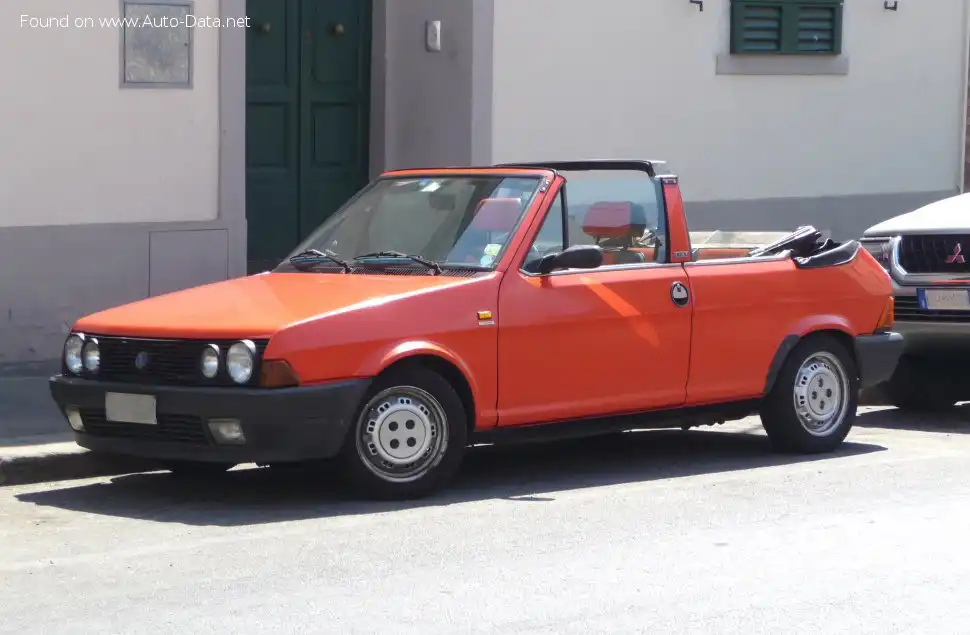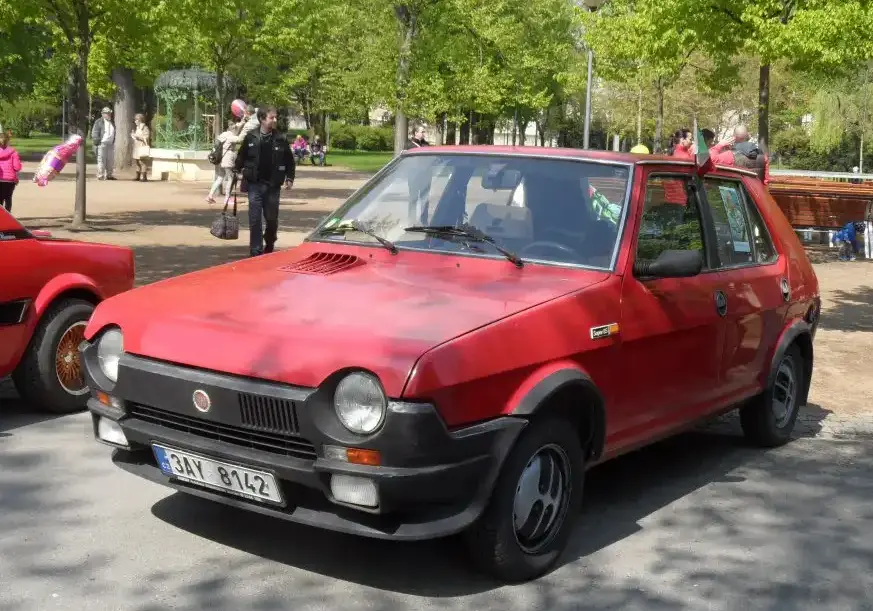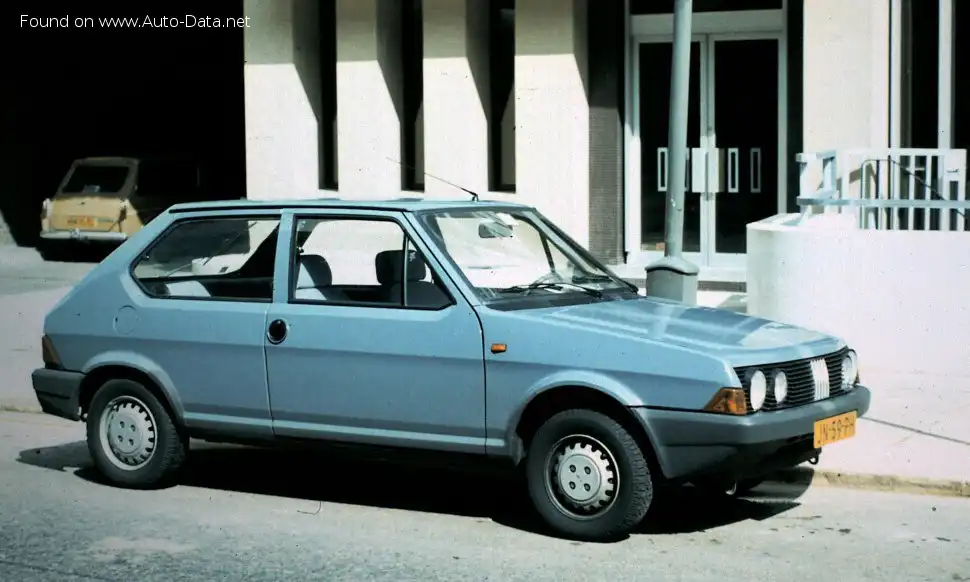
The Fiat Ritmo 75 1.5, produced from 1985 to 1988, represents a mid-range offering within the Ritmo (138A) facelifted model line. Introduced as part of the 1982 refresh of the original Ritmo, this variant aimed to provide a balance between affordability, practicality, and reasonable performance for European drivers. The Ritmo, designed by the renowned Italian design house Bertone, was Fiat’s entry into the increasingly competitive compact hatchback segment, and the 75 1.5 offered a step up from the base models while remaining more accessible than the higher-performance versions.
Technical Specifications
| Brand | Fiat |
| Model | Ritmo |
| Generation | Ritmo I (138A, facelift 1982) |
| Type (Engine) | 75 1.5 (75 Hp) |
| Start of production | 1985 |
| End of production | 1988 |
| Powertrain Architecture | Internal Combustion engine |
| Body type | Coupe |
| Fuel Type | Petrol (Gasoline) |
| Power | 75 Hp |
| Engine Model/Code | 138 C3.048 |
| Engine aspiration | Naturally aspirated engine |
Introduction
The Fiat Ritmo, launched in 1978, was Fiat’s attempt to modernize its compact car offerings and compete with rivals like the Volkswagen Golf and Renault 5. The 138A series, introduced in 1982, brought significant cosmetic and mechanical updates, including revised styling, improved interiors, and updated engine options. The 75 1.5 variant, appearing in 1985, slotted into the lineup as a more powerful alternative to the base 60 and 65 hp engines, while remaining more economical than the 105 TC variant. It was primarily marketed towards drivers seeking a comfortable and reasonably efficient hatchback for daily use. The Ritmo, despite its relatively short production run, became a popular choice in Europe, particularly in Italy, Spain, and France.
Powertrain & Engine Architecture
The heart of the Ritmo 75 1.5 is the 138 C3.048 engine, a 1.5-liter inline-four cylinder gasoline engine. This engine is naturally aspirated and features a single overhead camshaft (SOHC) valvetrain. Fuel delivery is managed by a Weber 32 ADFA carburetor, a common setup for European cars of this era. The engine produces 75 horsepower at 5800 rpm and 98 lb-ft of torque at 3600 rpm. The engine block is cast iron, while the cylinder head is aluminum, contributing to a relatively lightweight design. The Ritmo 75 1.5 was typically paired with a four-speed manual transmission, although a three-speed automatic transmission was also available, albeit less common. The automatic transmission, while offering convenience, did impact acceleration and fuel economy compared to the manual version. The engine’s design prioritized reliability and ease of maintenance, making it a relatively straightforward unit for mechanics to work on.
Driving Characteristics
The Ritmo 75 1.5 offered a comfortable, if not particularly sporty, driving experience. With 75 horsepower propelling a car weighing around 2,200 pounds, acceleration was adequate for everyday driving, with a 0-60 mph time estimated around 12-13 seconds. The four-speed manual transmission allowed drivers to make the most of the engine’s powerband, while the optional automatic transmission provided smoother, but slower, gear changes. The Ritmo’s suspension, consisting of MacPherson struts in the front and a twist-beam axle in the rear, provided a reasonably comfortable ride, absorbing bumps and imperfections in the road. Handling was predictable, but not particularly sharp, making it a suitable vehicle for urban commutes and longer journeys. Compared to the more powerful 105 TC, the 75 1.5 lacked the punch and responsiveness favored by driving enthusiasts. However, it offered a more relaxed and fuel-efficient driving experience.
Equipment & Trim Levels
The Ritmo 75 1.5 typically came equipped with a fairly basic level of standard features. Interior upholstery was usually cloth, with a simple dashboard layout featuring analog gauges for speed, fuel level, coolant temperature, and a clock. Power steering was not standard, but could be added as an option. Other optional extras included a sunroof, upgraded stereo system, and alloy wheels. The trim level generally focused on practicality and affordability. The interior plastics were durable, but not particularly luxurious. The Ritmo 75 1.5 aimed to provide a functional and comfortable cabin for everyday use, rather than a lavish or high-end experience. The exterior styling was characterized by clean lines and a wedge-shaped profile, typical of Italian designs from the 1980s.
Chassis & Braking
The Ritmo 75 1.5 utilized a front-wheel-drive layout, which was becoming increasingly common in the compact car segment during the 1980s. The front suspension featured MacPherson struts with anti-roll bar, while the rear suspension employed a twist-beam axle. Braking was typically accomplished with disc brakes in the front and drum brakes in the rear. The braking system was adequate for the car’s weight and performance, but lacked the stopping power of more modern systems. Steering was manual rack and pinion, providing a direct, but somewhat heavy, feel. The chassis was designed to provide a balance between comfort and handling, prioritizing ride quality over outright performance. The relatively simple suspension setup contributed to the car’s affordability and ease of maintenance.
Market Reception & Comparison
The Fiat Ritmo 75 1.5 was generally well-received by automotive critics as a practical and affordable compact hatchback. It was praised for its comfortable ride, decent fuel economy, and relatively spacious interior. However, it was also criticized for its somewhat bland styling and lack of performance compared to some of its rivals. Compared to the Volkswagen Golf, the Ritmo offered a more affordable price point, but lacked the Golf’s refinement and build quality. Against the Renault 5, the Ritmo provided more interior space and a more comfortable ride, but the Renault 5 was known for its nimble handling and sporty character. The 75 1.5 offered a good compromise between these two extremes, appealing to drivers who prioritized practicality and affordability over outright performance. Fuel economy was a strong point, averaging around 35-40 mpg in mixed driving conditions.
Legacy
The Fiat Ritmo, while not a groundbreaking vehicle, played an important role in Fiat’s history, representing a modernization of its compact car offerings. The 75 1.5 variant, in particular, remains a relatively common sight in the used car market, particularly in Europe. The 138 C3.048 engine is known for its reliability and durability, and with proper maintenance, can provide many years of service. However, like any classic car, the Ritmo 75 1.5 is susceptible to age-related issues, such as rust and wear and tear on rubber components. Parts availability can be a challenge, but many components are still available through specialist suppliers. Today, the Ritmo 75 1.5 is appreciated by enthusiasts as a charming and affordable classic car, offering a glimpse into the automotive landscape of the 1980s.