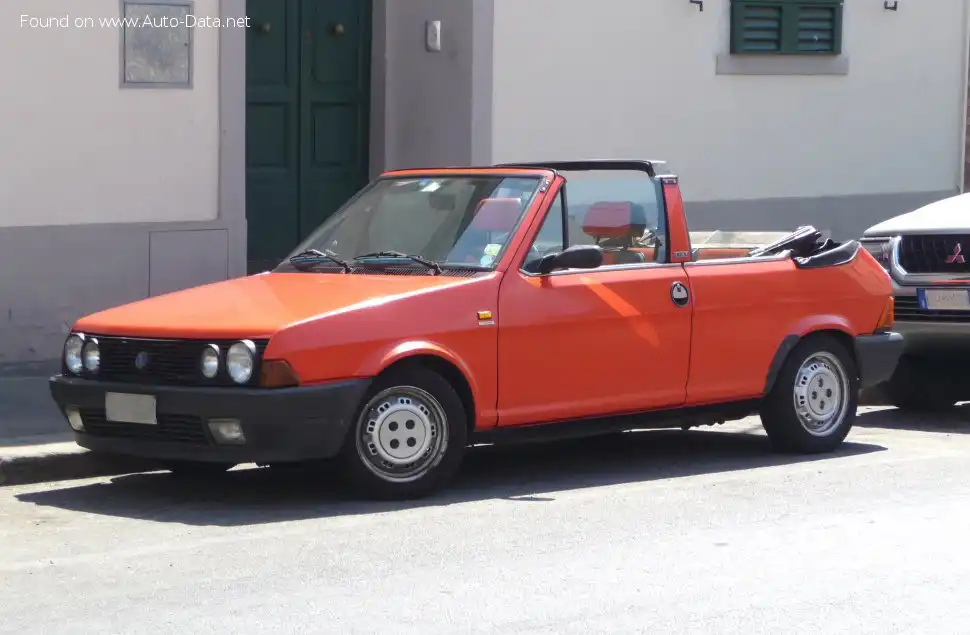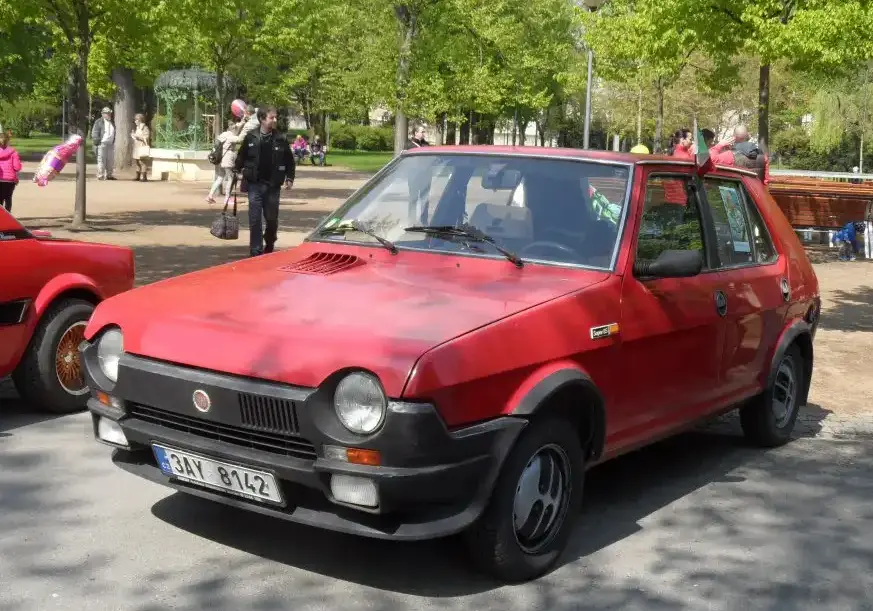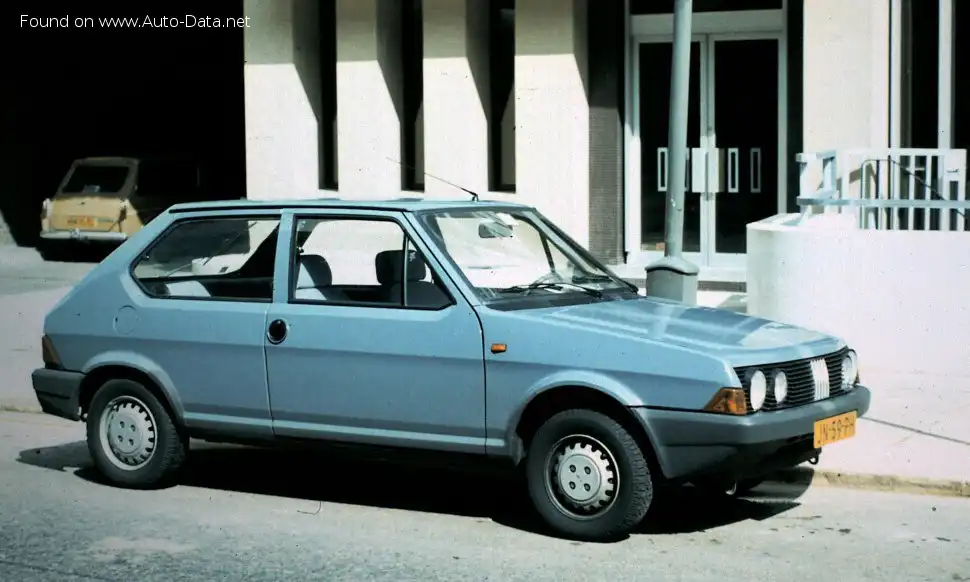
The Fiat Ritmo I (138A, facelift 1982) 75 1.5 CAT, produced from 1985 to 1988, represented a mid-range offering within the Ritmo lineup. The Ritmo, launched in 1978, was Fiat’s attempt to modernize its compact car offerings, replacing the aging 128. The 138A facelift in 1982 brought subtle styling changes and mechanical refinements. The 75 1.5 CAT variant, equipped with a catalytic converter, was aimed at buyers seeking a balance between performance, fuel economy, and emissions compliance, particularly in markets increasingly focused on environmental regulations. It occupied a position between the base 60 hp models and the more sporting 105 TC variants, appealing to a broader customer base.
Technical Specifications
| Brand | Fiat |
| Model | Ritmo |
| Generation | Ritmo I (138A, facelift 1982) |
| Type (Engine) | 75 1.5 CAT (75 Hp) |
| Start of production | 1985 |
| End of production | 1988 |
| Powertrain Architecture | Internal Combustion engine |
| Body type | Coupe |
| Fuel Type | Petrol (Gasoline) |
| Power | 75 Hp |
| Engine Model/Code | 149A3.000 |
| Engine aspiration | Naturally aspirated engine |
| Engine oil capacity | 4.1 l (4.33 US qt | 3.61 UK qt) |
| Coolant capacity | 7 l (7.4 US qt | 6.16 UK qt) |
Powertrain & Engine Architecture
The heart of the Ritmo 75 1.5 CAT is the 149A3.000 engine, a 1498 cc inline-four cylinder unit. This engine is a development of Fiat’s Lampredi-designed twin-cam engine family, known for its robust construction and relatively high specific output for its time. The “CAT” designation signifies the inclusion of a catalytic converter, a relatively new technology in the mid-1980s, designed to reduce harmful emissions. The engine utilizes a Bosch fuel injection system, replacing the carburetors found on earlier Ritmo models, contributing to improved fuel efficiency and smoother operation. The engine features a belt-driven overhead camshaft, operating two valves per cylinder. The 75 hp output is achieved at 6000 rpm, with peak torque of 116 Nm (86 lb-ft) arriving at 4000 rpm. The engine is mated to a three-speed automatic transmission, a relatively uncommon option for European compact cars of this era, and one that significantly altered the driving experience compared to the available five-speed manual.
Driving Characteristics
The Ritmo 75 1.5 CAT automatic offered a comfortable, if not particularly sporty, driving experience. The three-speed automatic transmission, while providing convenience, resulted in noticeable performance compromises compared to the manual gearbox equipped models. Acceleration was adequate for everyday driving, but lacked the responsiveness of the manual versions or the higher-output 105 TC. The automatic’s gear ratios were geared towards fuel economy and smooth cruising rather than spirited acceleration. The car felt somewhat sluggish during overtaking maneuvers, requiring careful planning. The suspension, typical of Italian cars of the period, prioritized ride comfort over sharp handling. Steering was light and easy, making it well-suited for urban environments. The automatic transmission did contribute to a slightly higher fuel consumption compared to the manual variants.
Equipment & Trim Levels
The 75 1.5 CAT trim level generally offered a reasonable level of equipment for a compact car in the mid-1980s. Standard features typically included cloth upholstery, a basic instrument cluster with speedometer, fuel gauge, and temperature gauge, and a four-speaker radio. Power steering was often included, a welcome addition given the car’s relatively heavy steering feel without it. Optional extras included a sunroof, upgraded upholstery, and alloy wheels. The interior design was functional and relatively spacious for a car of its size, although the materials used were generally of modest quality. The dashboard layout was straightforward and easy to use. The 75 1.5 CAT was positioned as a step up from the base models, offering a more refined and comfortable interior.
Chassis & Braking
The Ritmo I utilized a front-wheel-drive layout with a MacPherson strut front suspension and a torsion beam rear suspension. The suspension setup was tuned for ride comfort, providing a relatively smooth ride over uneven surfaces. The 75 1.5 CAT variant typically featured front disc brakes and rear drum brakes. The braking system was adequate for normal driving conditions, but lacked the stopping power of more modern systems. Stabilizer bars were fitted to both the front and rear axles, helping to reduce body roll during cornering. The chassis was relatively lightweight, contributing to the car’s overall agility, despite the limitations of the suspension and braking systems. Tire size was typically 175/70 R14.
Market Reception & Comparison
The Ritmo 75 1.5 CAT received mixed reviews from automotive critics. While the engine was praised for its smoothness and fuel efficiency, the three-speed automatic transmission was often criticized for its lack of responsiveness and its impact on performance. Compared to the manual versions, the automatic was noticeably slower and less engaging to drive. The catalytic converter was seen as a positive step towards reducing emissions, but also added to the cost of the vehicle. In terms of fuel economy, the 75 1.5 CAT offered comparable figures to other compact cars of the period, but the automatic transmission did result in slightly higher consumption than the manual variants. The 105 TC, with its larger engine and sportier suspension, was considered a more appealing option for drivers seeking a more dynamic driving experience. The base 60 hp models offered a more affordable entry point into the Ritmo range.
Legacy
The Fiat Ritmo, while not a resounding commercial success, played an important role in Fiat’s model lineup during the 1980s. The 75 1.5 CAT variant, while not the most sought-after version, remains a relatively common sight in the used car market today. The 149A3.000 engine is known for its durability and relatively simple construction, making it relatively easy to maintain. However, age-related issues such as corrosion and wear and tear on rubber components are common. The three-speed automatic transmission can be prone to issues if not properly maintained. Today, the Ritmo 75 1.5 CAT is appreciated by enthusiasts as a classic Italian car that offers a unique blend of style, comfort, and affordability. Its relative rarity compared to other trims makes it a desirable option for collectors.