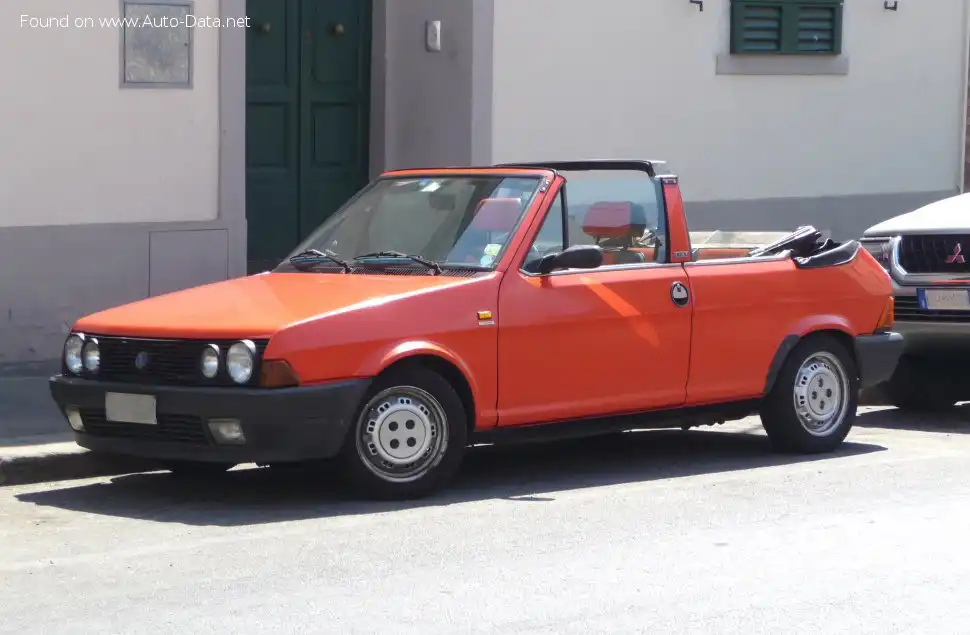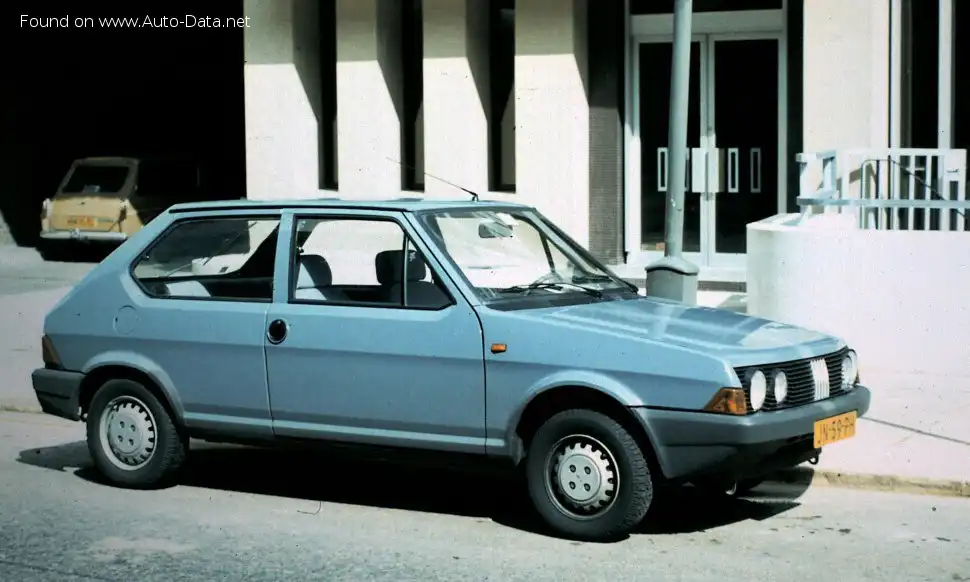
The Fiat Ritmo I (138A, facelift 1982) 80 Turbo Diesel 1.9, produced from 1985 to 1987, represents a unique offering within the Ritmo range. Positioned as a fuel-efficient and surprisingly potent variant, it aimed to bridge the gap between the base diesel models and the more performance-oriented gasoline versions. The Ritmo, launched in 1978, was Fiat’s attempt to modernize its compact car lineup, replacing the aging 128. The 138A facelift in 1982 brought subtle styling updates and mechanical refinements. This 80 Turbo Diesel model, while not a high-volume seller, showcased Fiat’s engineering capabilities in extracting performance from a diesel engine during a period when diesel technology was rapidly evolving.
Technical Specifications
| Brand | Fiat |
| Model | Ritmo |
| Generation | Ritmo I (138A, facelift 1982) |
| Type (Engine) | 80 Turbo Diesel 1.9 (80 Hp) |
| Start of production | 1985 |
| End of production | 1987 |
| Powertrain Architecture | Internal Combustion engine |
| Body type | Coupe |
| Fuel Type | Diesel |
| Power | 80 Hp |
| Engine Model/Code | 831 D1.000 |
| Engine aspiration | Turbocharger |
| Engine oil capacity | 5 l (5.28 US qt | 4.4 UK qt) |
| Coolant capacity | 7.5 l (7.93 US qt | 6.6 UK qt) |
Powertrain & Engine Architecture
The heart of this Ritmo variant is the 831 D1.000 engine, a 1.9-liter inline-four diesel. What sets this engine apart is the addition of a turbocharger, a relatively uncommon feature for diesel engines of the mid-1980s. The turbocharger significantly boosted power output compared to the naturally aspirated diesel Ritmos. The engine utilizes indirect injection, a common practice at the time, employing a Bosch rotary injection pump. This system delivers fuel to the pre-chamber, where it’s partially combusted before entering the main combustion chamber. This design aids in smoother combustion and reduced engine noise, characteristics valued in European diesel engines. The engine features a single overhead camshaft operating two valves per cylinder. The turbocharger itself is a Garrett unit, providing approximately 7.5 psi of boost. The transmission paired with this engine is a three-speed automatic, a somewhat unusual choice given the engine’s torque characteristics. While offering convenience, the three-speed automatic wasn’t ideally suited to maximizing the engine’s potential, as it lacked the gear ratios to keep the engine consistently within its optimal power band.
Driving Characteristics
The Ritmo 80 Turbo Diesel Automatic offered a unique driving experience. The turbocharger provides a noticeable surge of power in the mid-range, offering brisk acceleration for a diesel vehicle of the era. However, the three-speed automatic transmission limits overall performance. Gear changes are relatively slow and can feel somewhat disconnected from the engine’s power delivery. Compared to the five-speed manual versions of the Ritmo 80 Turbo Diesel, the automatic suffers from reduced responsiveness and a slightly lower top speed. The automatic transmission also impacts fuel economy, typically returning slightly lower MPG figures than the manual counterpart. The Ritmo’s suspension, while generally comfortable, can feel a bit soft when pushed hard, especially during cornering. The turbo lag is present, but less pronounced than in some other turbocharged diesels of the time, thanks to the relatively small turbocharger and the engine’s displacement. Overall, the driving experience is best described as relaxed and efficient, prioritizing comfort and fuel economy over outright performance.
Equipment & Trim Levels
The 80 Turbo Diesel Automatic trim level generally sat in the mid-range of the Ritmo lineup. Standard equipment included cloth upholstery, a basic stereo system, and power-assisted steering. The interior featured a functional, if somewhat spartan, design typical of Italian cars of the period. Optional extras included upgraded stereo systems, sunroofs, and alloy wheels. The dashboard layout is straightforward, with clearly marked gauges for speed, fuel level, coolant temperature, and oil pressure. The seats offered reasonable comfort for long journeys, although they lacked the bolstering found in more sporty models. The exterior styling remained consistent with other Ritmo models, featuring a wedge-shaped profile and distinctive rectangular headlights. The addition of a small turbo diesel badge on the rear hatch was the primary visual differentiator.
Chassis & Braking
The Ritmo 80 Turbo Diesel utilizes a MacPherson strut front suspension and a torsion beam rear suspension. The front suspension provides decent handling and ride comfort, while the rear torsion beam is a cost-effective solution that offers adequate stability. Braking duties are handled by disc brakes at the front and drum brakes at the rear. The braking system is adequate for normal driving conditions, but lacks the stopping power of more modern systems. The Ritmo’s chassis is relatively lightweight, which helps to offset the engine’s modest power output. Stabilizer bars are fitted to both the front and rear axles, helping to reduce body roll during cornering. The steering is unassisted, providing a direct and responsive feel, although it can require some effort at low speeds.
Market Reception & Comparison
The Ritmo 80 Turbo Diesel Automatic received mixed reviews from automotive critics. While praised for its fuel efficiency and surprising performance for a diesel, the three-speed automatic transmission was a common point of criticism. Many reviewers felt that the transmission held the engine back from reaching its full potential. Compared to the 1.6-liter gasoline Ritmo models, the 80 Turbo Diesel offered significantly better fuel economy but less outright performance. Compared to other turbocharged diesel cars of the time, such as the Volkswagen Golf GTI Diesel, the Ritmo offered a more affordable price point but lacked the same level of refinement and performance. The Ritmo 80 Turbo Diesel appealed to buyers who prioritized fuel economy and practicality over sporty driving dynamics.
Legacy
The Fiat Ritmo 80 Turbo Diesel, while not a mainstream success, holds a niche appeal among enthusiasts of classic Italian cars. The 831 D1.000 engine, when properly maintained, is known for its durability and longevity. However, finding parts for these older turbo diesel engines can be challenging. The three-speed automatic transmission is generally considered the weakest link in the powertrain, and can be prone to failure if not serviced regularly. In the used car market today, well-maintained examples of the Ritmo 80 Turbo Diesel are becoming increasingly rare and collectible. The car represents a fascinating chapter in the history of diesel engine technology, showcasing Fiat’s willingness to experiment with turbocharging in a segment traditionally dominated by naturally aspirated engines. Its blend of fuel efficiency, practicality, and surprising performance continues to attract a dedicated following.