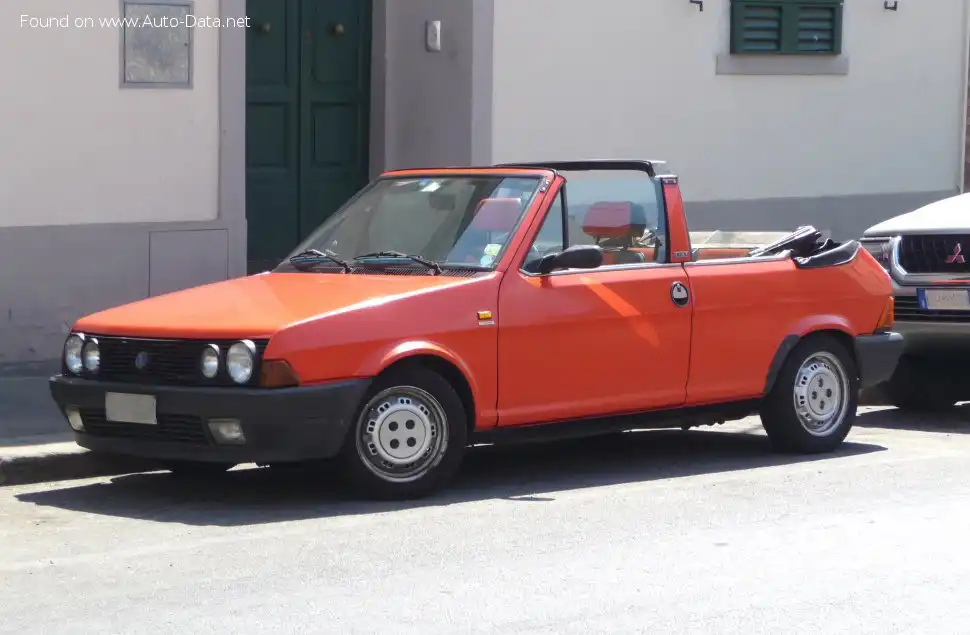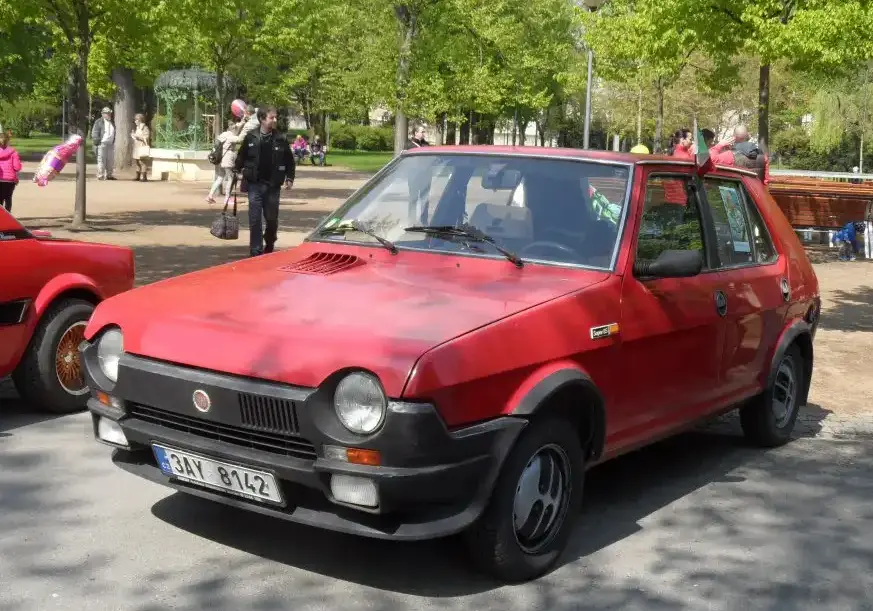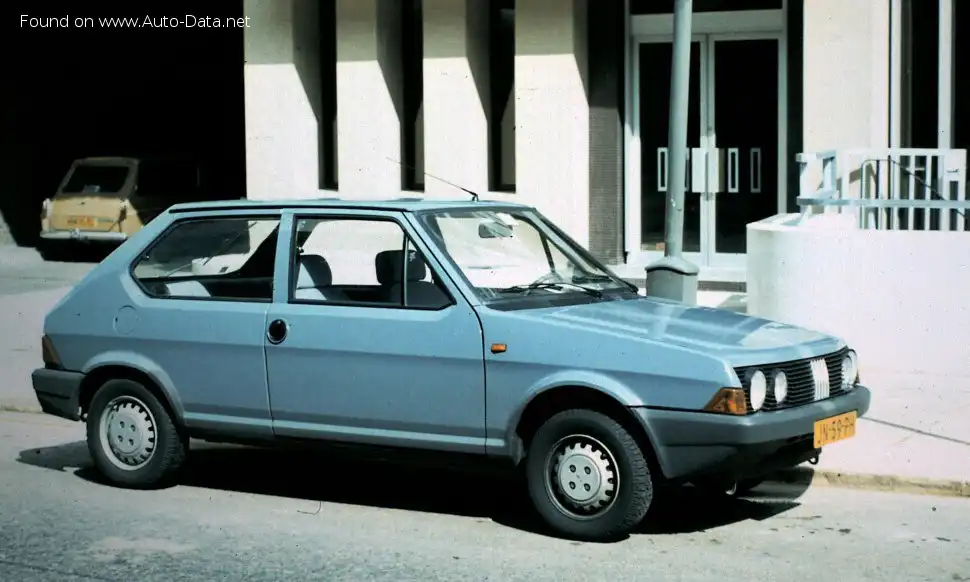
The Fiat Ritmo 85 1.5, produced from 1985 to 1987, represented a mid-range offering within the Ritmo I (138A) facelifted model range. Introduced as part of the 138A series – a significant refresh of the original Ritmo launched in 1978 – this variant aimed to provide a balance between affordability, practicality, and reasonable performance. The Ritmo, designed by the renowned Italian design house Bertone under the leadership of Marcello Gandini, was Fiat’s attempt to create a modern, spacious hatchback to compete with rivals like the Volkswagen Golf and Opel Kadett. The 85 1.5 model, with its 79 horsepower engine, occupied a position between the base-level 60 hp models and the more potent 105 hp versions, targeting buyers seeking a comfortable and economical daily driver.
Technical Specifications
| Brand | Fiat |
| Model | Ritmo |
| Generation | Ritmo I (138A, facelift 1982) |
| Type (Engine) | 85 1.5 (79 Hp) |
| Start of production | 1985 |
| End of production | 1987 |
| Powertrain Architecture | Internal Combustion engine |
| Body type | Coupe |
| Fuel Type | Petrol (Gasoline) |
| Power | 79 Hp |
| Engine Model/Code | 149 A5.000 |
| Engine aspiration | Naturally aspirated engine |
| Engine oil capacity | 4.1 l (4.33 US qt | 3.61 UK qt) |
| Coolant capacity | 7 l (7.4 US qt | 6.16 UK qt) |
Powertrain & Engine Architecture
The heart of the Ritmo 85 1.5 is the 149 A5.000 engine, a 1.5-liter inline-four cylinder gasoline engine. This engine is naturally aspirated, meaning it doesn’t employ forced induction like a turbocharger or supercharger. It features a single overhead camshaft (SOHC) valvetrain operating two valves per cylinder. Fuel delivery is managed by a Weber 32 ADFA carburetor, a common setup for European cars of this era. The carburetor provides a relatively simple and cost-effective method of fuel atomization, though it’s less precise than modern fuel injection systems. The engine’s 79 horsepower output at 5800 rpm and 86 lb-ft of torque at 3600 rpm were considered adequate for the Ritmo’s weight class. The engine block is cast iron, providing durability, while the cylinder head is aluminum, helping to reduce overall weight. The Ritmo 85 1.5 was typically paired with a four-speed manual transmission, though a three-speed automatic transmission was also available, albeit less common. The automatic transmission, while offering convenience, did impact acceleration and fuel economy compared to the manual version.
Driving Characteristics
The Ritmo 85 1.5 offered a comfortable, if not particularly sporty, driving experience. With 79 horsepower propelling a car weighing around 2,200 pounds, acceleration was adequate for everyday driving, with a 0-60 mph time estimated around 12-13 seconds. The four-speed manual transmission allowed drivers to make the most of the engine’s powerband, while the optional automatic transmission provided smoother, but slower, gear changes. The Ritmo’s suspension, consisting of MacPherson struts at the front and a twist-beam axle at the rear, provided a reasonably compliant ride, absorbing bumps and imperfections in the road surface. However, the handling wasn’t particularly sharp, with noticeable body roll during cornering. Compared to the more powerful 105 TC version, the 85 1.5 felt noticeably slower, especially at higher speeds. The manual transmission versions offered a more engaging driving experience, while the automatic prioritized ease of use. The three-speed automatic featured relatively widely spaced gear ratios, prioritizing fuel economy over rapid acceleration. This meant the engine often felt strained during overtaking maneuvers.
Equipment & Trim Levels
The Ritmo 85 1.5 typically came equipped with a fairly basic level of standard features. Interior upholstery was usually cloth, with a simple dashboard layout featuring analog gauges for speed, fuel level, coolant temperature, and a clock. Power steering wasn’t standard, but was often available as an option. Other optional extras included a sunroof, upgraded stereo system, and alloy wheels. The trim level generally focused on practicality and affordability. The interior plastics were durable but not particularly luxurious. The Ritmo 85 1.5 aimed to provide a functional and comfortable cabin for everyday use. The exterior styling, characterized by its sharp lines and wedge shape, was a hallmark of Bertone’s design language during the 1980s. The 85 1.5 often featured black plastic trim around the bumpers and side moldings, differentiating it from the more upscale 105 TC which had body-colored bumpers.
Chassis & Braking
The Ritmo 85 1.5 utilized a front-wheel-drive layout, which was becoming increasingly common in European cars during the 1980s. The front suspension featured MacPherson struts with an anti-roll bar, while the rear suspension employed a twist-beam axle. Braking duties were handled by disc brakes at the front and drum brakes at the rear. The braking system was adequate for normal driving conditions, but lacked the stopping power of more modern systems. The steering was a recirculating ball system, which provided a relatively heavy feel but was reliable. The chassis was designed to provide a balance between comfort and handling, prioritizing ride quality over outright performance. The relatively simple suspension setup contributed to lower maintenance costs compared to more sophisticated systems found in higher-trim models.
Market Reception & Comparison
The Ritmo 85 1.5 was generally well-received as a practical and affordable family car. Critics praised its spacious interior and comfortable ride, but noted its somewhat lackluster performance and handling compared to rivals like the Volkswagen Golf. Fuel economy was a strong point, with the 1.5-liter engine returning around 30-35 mpg in mixed driving conditions. Compared to the 60 hp base model, the 85 1.5 offered a noticeable improvement in performance, making it a more enjoyable car to drive. However, the 105 TC version, with its more powerful engine and upgraded suspension, provided a significantly more engaging driving experience. The Ritmo 85 1.5 represented a good value proposition for buyers seeking a reliable and economical hatchback. The automatic transmission version, while convenient, was often criticized for its sluggish performance and reduced fuel efficiency compared to the manual.
Legacy
The Fiat Ritmo, while not a runaway sales success, remains a fondly remembered car among enthusiasts. The 149 A5.000 engine proved to be relatively durable, and many examples are still on the road today. However, like many cars of this era, rust can be a significant issue, particularly in regions with harsh winters. The Ritmo’s innovative design and spacious interior helped to establish Fiat as a major player in the European hatchback market. The 85 1.5 variant, with its balance of affordability and performance, continues to be a popular choice among classic car collectors and enthusiasts seeking a taste of 1980s Italian motoring. Parts availability can be challenging, but a dedicated community of Ritmo owners and specialists exists to provide support and assistance. The carburetor, while simple, requires periodic adjustment and cleaning to maintain optimal performance, a common maintenance task for owners of this vehicle.