Technical Specifications
| Brand | Fiat |
| Model | Tempra |
| Generation | Tempra SW (159) |
| Type (Engine) | 1.6 (86 Hp) |
| Start of Production | 1990 |
| End of Production | 1993 |
| Powertrain Architecture | Internal Combustion Engine |
| Body Type | Station Wagon (Estate) |
| Fuel Type | Petrol (Gasoline) |
| Power | 86 Hp |
| Engine Model/Code | 159 A3.000 |
| Engine Aspiration | Naturally Aspirated |
| Engine Oil Capacity | 3.7 l (3.91 US qt | 3.26 UK qt) |
| Coolant Capacity | 5.5 l (5.81 US qt | 4.84 UK qt) |
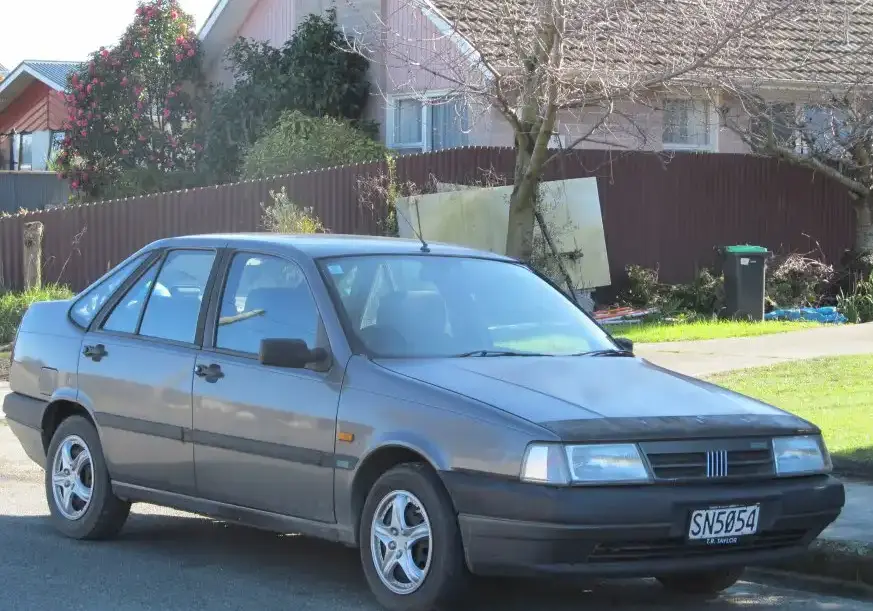
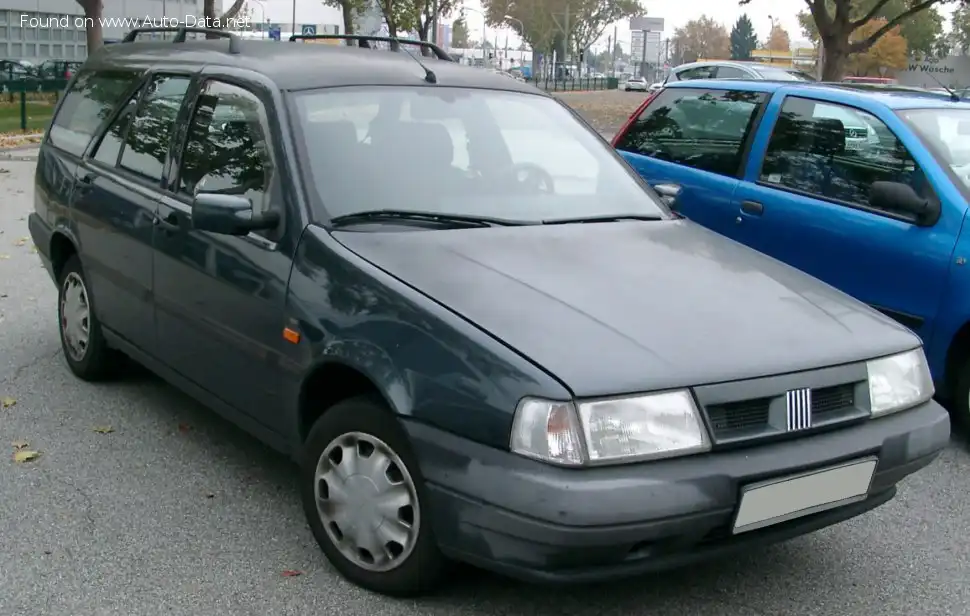
The Fiat Tempra Station Wagon (SW), specifically the 1.6-liter 86 horsepower variant produced between 1990 and 1993, represented a practical and affordable option within the broader Tempra range. The Tempra, launched as a replacement for the aging Fiat Regata, aimed to provide a modern, spacious, and comfortable family car. The SW (Station Wagon) body style, designated as the 159 project, expanded the Tempra’s appeal to those needing increased cargo capacity. This 1.6L engine/automatic transmission combination served as the entry-level powertrain for the SW, prioritizing fuel economy and ease of use over outright performance. It was positioned as a sensible choice for families and individuals seeking a reliable and versatile vehicle.
Powertrain & Engine Architecture
The Fiat Tempra 1.6 SW utilized the Fiat 159 A3.000 engine, a 1581cc inline-four cylinder petrol engine. This engine was a relatively conventional design for the early 1990s, featuring a cast iron block and an aluminum cylinder head. It employed a single overhead camshaft (SOHC) operating two valves per cylinder. Fuel delivery was managed by Bosch Mono-Jetronic fuel injection, a system known for its simplicity and reliability, though less sophisticated than multi-point injection systems becoming prevalent at the time. The Mono-Jetronic system delivered fuel through a single injector positioned in the throttle body. The engine’s compression ratio was 9.2:1. The 86 horsepower output was achieved at 5,500 rpm, with peak torque of 127 Nm (93 lb-ft) arriving at 3,000 rpm. The engine was typically paired with a three-speed automatic transmission, although a five-speed manual was also available on other Tempra models. The automatic transmission was a traditional hydraulic control unit, offering smooth but not particularly quick shifts.
Driving Characteristics
The 1.6-liter engine and three-speed automatic transmission combination in the Tempra SW resulted in a driving experience focused on comfort and ease of use rather than spirited performance. Acceleration was modest, with a 0-60 mph time estimated around 13-14 seconds. The three-speed automatic transmission, while providing smooth operation, lacked the versatility of more modern gearboxes. Gear ratios were optimized for fuel efficiency and relaxed cruising, meaning the engine often felt strained during hard acceleration or when climbing hills. Compared to the more powerful 2.0-liter versions of the Tempra, the 1.6 SW felt noticeably slower. The manual transmission offered in other Tempra trims provided a more engaging driving experience and improved fuel economy. However, the automatic was favored by buyers prioritizing convenience, particularly in urban environments. The suspension, tuned for comfort, absorbed bumps reasonably well, but the car exhibited noticeable body roll during cornering.
Equipment & Trim Levels
The 1.6-liter Tempra SW typically represented the base trim level. Standard equipment generally included central locking, power steering, and cloth upholstery. The interior was functional and reasonably well-appointed for its price point, though materials were largely utilitarian. Dashboard design was straightforward, with clearly labeled controls. Optional extras included air conditioning, electric windows, and a basic radio/cassette player. Higher trim levels, available with the 2.0-liter engine, offered features such as alloy wheels, upgraded upholstery, and more comprehensive instrumentation. The SW body style itself added practicality with its large cargo area, accessible through a rear tailgate. Rear seats could be folded down to further increase cargo space.
Chassis & Braking
The Tempra SW utilized a front-engine, front-wheel-drive layout. The chassis consisted of a monocoque construction. Suspension was independent at the front, employing MacPherson struts, and a semi-independent twist beam at the rear. Braking was typically accomplished with disc brakes at the front and drum brakes at the rear. The braking system was not particularly powerful, and ABS (Anti-lock Braking System) was not standard equipment, even as an option, on the base 1.6 models. Steering was rack and pinion, providing reasonable precision, though it lacked the feedback of more sophisticated systems. Stabilizer bars were fitted to both the front and rear axles to reduce body roll, but their effectiveness was limited by the car’s overall weight and suspension setup.
Market Reception & Comparison
The Fiat Tempra SW 1.6 was generally well-received as a practical and affordable family car. Critics praised its spacious interior, comfortable ride, and reasonable fuel economy. However, the 1.6-liter engine was often criticized for its lack of power, particularly when paired with the automatic transmission. Compared to rivals such as the Ford Sierra Estate and the Vauxhall/Opel Astra Estate, the Tempra SW offered a competitive price point and a more modern design. Fuel economy was comparable to other vehicles in its class, averaging around 28-32 mpg in mixed driving conditions. Reliability was generally good, although the Mono-Jetronic fuel injection system could occasionally require maintenance. The 2.0-liter Tempra SW offered significantly improved performance but came at a higher price.
Legacy
The Fiat Tempra SW 1.6, while not a performance icon, remains a fondly remembered vehicle for many European drivers. The 159 A3.000 engine proved to be reasonably durable, and many examples are still on the road today, albeit often with high mileage. The automatic transmission, while not known for its longevity in some cases, could provide years of reliable service with proper maintenance. In the used car market, the Tempra SW 1.6 represents an affordable and practical classic, appealing to those seeking a simple and reliable estate car. Parts availability can be a challenge, but many components are still obtainable through specialist suppliers. The Tempra SW, in all its variants, played a significant role in establishing Fiat as a major player in the European family car market during the early 1990s.