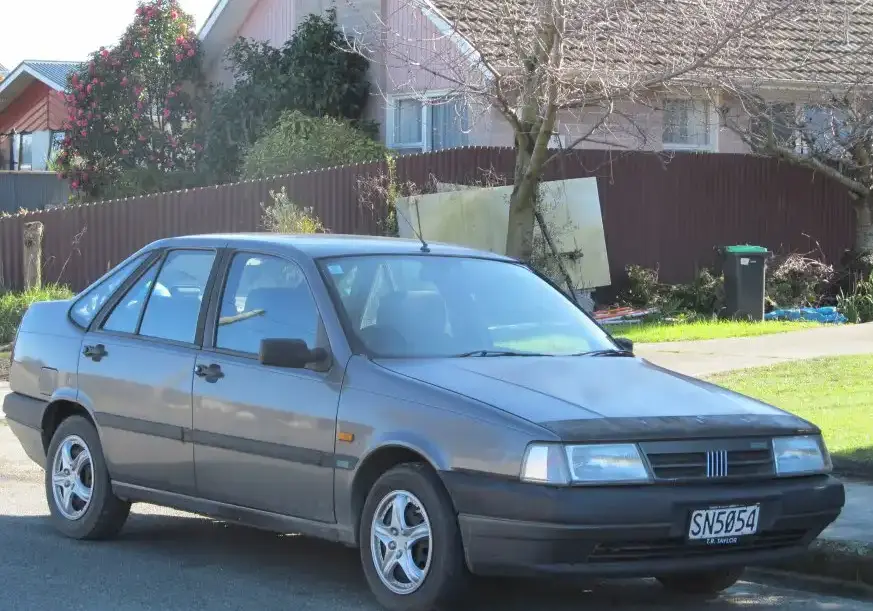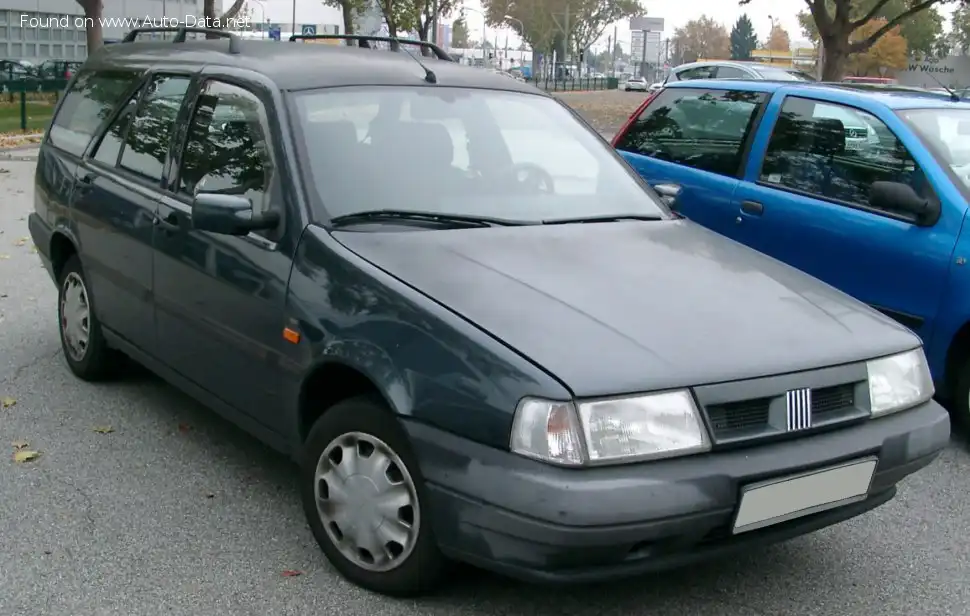
The Fiat Tempra S.w. (159) 1.6 i.e., designated with engine code 159.AE, was a station wagon variant produced between 1990 and 1996. It represented a practical and affordable option within the broader Tempra range, which aimed to replace the aging Regata and Croma models. The Tempra S.w. offered increased cargo capacity compared to the sedan and coupe versions, targeting families and those requiring versatile transportation. This particular 1.6-liter, 78 horsepower configuration served as the entry-level engine option for the S.w. body style in many European markets.
Technical Specifications
| Brand | Fiat |
| Model | Tempra |
| Generation | Tempra S.w. (159) |
| Type (Engine) | 1.6 i.e. (159.AE) (78 Hp) |
| Start of Production | 1990 |
| End of Production | 1996 |
| Powertrain Architecture | Internal Combustion Engine |
| Body Type | Station Wagon (Estate) |
| Fuel Type | Petrol (Gasoline) |
| Power | 78 Hp |
| Engine Model/Code | 159 A3.046 |
| Engine Aspiration | Naturally Aspirated |
| Engine Oil Capacity | 3.7 l (3.91 US qt | 3.26 UK qt) |
| Coolant Capacity | 6.5 l (6.87 US qt | 5.72 UK qt) |
Powertrain & Engine Architecture
The 1.6 i.e. engine, coded 159 A3.046, was a four-cylinder, inline engine displacing 1581 cc. It featured a single overhead camshaft (SOHC) valvetrain operating two valves per cylinder. Fuel delivery was managed by Bosch Mono-Jetronic fuel injection, a relatively simple system for the time, prioritizing reliability and cost-effectiveness over ultimate performance. This system utilized a single fuel injector positioned centrally in the throttle body. The engine produced 78 horsepower at 5600 rpm and 128 Nm (94 lb-ft) of torque at 3200 rpm. The engine was typically paired with a four-speed automatic transmission, although a five-speed manual was also available. The automatic transmission was a conventional hydraulic control unit, offering smooth but not particularly quick shifts. The engine block was constructed from cast iron, while the cylinder head was made of aluminum alloy.
Driving Characteristics
The Tempra S.w. 1.6 i.e. Automatic offered modest performance. Acceleration was adequate for everyday driving, but overtaking required careful planning. The 0-60 mph time was estimated to be around 13-14 seconds, and top speed was approximately 95 mph. The automatic transmission, while providing convenience, did detract from the engine’s available power, resulting in a noticeable delay during acceleration. Gear ratios were geared towards fuel economy rather than spirited driving. Compared to the 2.0-liter versions of the Tempra, the 1.6 i.e. felt significantly less powerful, especially when fully loaded with passengers and cargo. The manual transmission version offered a more engaging driving experience and slightly improved performance, but the automatic was favored by buyers prioritizing ease of use.
Equipment & Trim Levels
The 1.6 i.e. S.w. typically represented the base trim level for the Tempra station wagon. Standard equipment generally included central locking, power steering, and cloth upholstery. The interior was functional and reasonably well-appointed for its price point, though materials were largely utilitarian. Optional extras included electric windows, a sunroof, and upgraded audio systems. Higher trim levels, such as the 2.0 i.e., offered more luxurious features like leather upholstery, alloy wheels, and air conditioning. The dashboard layout was consistent across the Tempra range, featuring a straightforward instrument cluster and logically arranged controls. The S.w. benefited from a large cargo area, accessible through a rear tailgate. Rear seats could be folded down to further increase cargo capacity.
Chassis & Braking
The Tempra S.w. utilized a MacPherson strut front suspension and a torsion beam rear suspension. This setup provided a comfortable ride, but handling was not particularly sharp. The torsion beam rear suspension was a cost-effective solution, but it limited independent wheel movement, impacting handling precision. Braking was typically accomplished with disc brakes on the front wheels and drum brakes on the rear. Anti-lock braking system (ABS) was available as an optional extra on some models. The steering was a recirculating ball system, providing adequate feel but lacking the precision of more modern steering technologies. Stabilizer bars were fitted to both the front and rear axles to reduce body roll during cornering.
Market Reception & Comparison
The Fiat Tempra S.w. 1.6 i.e. was generally well-received as a practical and affordable family car. Critics praised its spacious interior and large cargo capacity, but noted its modest performance and somewhat dated technology. Compared to rivals like the Ford Escort Estate and Opel/Vauxhall Astra Estate, the Tempra S.w. offered a competitive price point and a generous amount of space. However, it lacked the refinement and driving dynamics of some of its competitors. Fuel economy was reasonable for the time, averaging around 28-32 mpg in mixed driving conditions. Reliability was generally good, although the Mono-Jetronic fuel injection system could occasionally require maintenance. The 1.6 i.e. engine was considered more reliable than the more powerful 2.0-liter versions, which were prone to overheating issues in some cases.
Legacy
The Fiat Tempra S.w. 1.6 i.e. remains a relatively common sight on European roads today, testament to its durability and affordability. The 159 A3.046 engine is known for its robustness and relatively simple construction, making it easier to maintain and repair. However, finding replacement parts can become increasingly challenging as the car ages. In the used car market, the Tempra S.w. 1.6 i.e. represents a budget-friendly option for those seeking a practical and spacious estate car. While it may not offer the performance or features of more modern vehicles, it provides a reliable and comfortable driving experience for its age and price point. Its enduring presence is a reminder of Fiat’s commitment to providing affordable transportation to a wide range of customers.