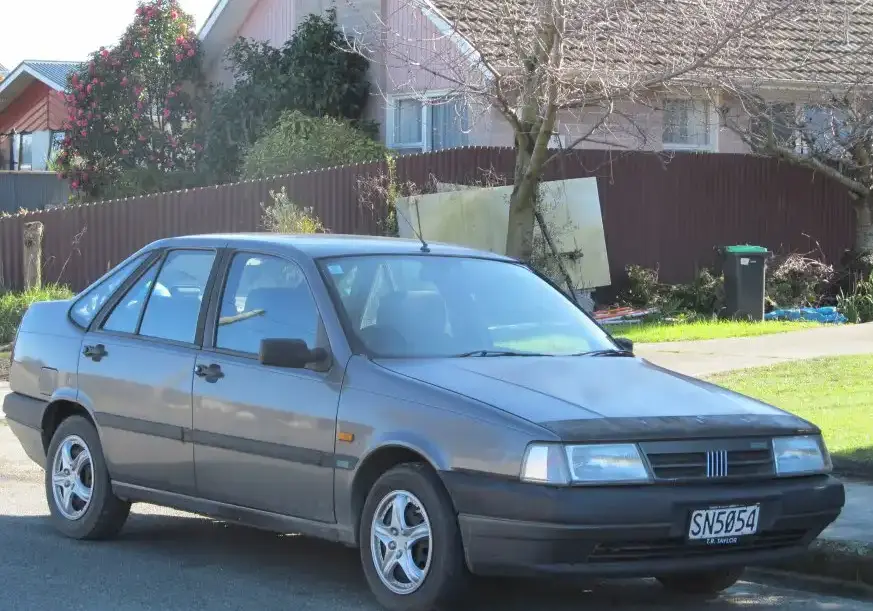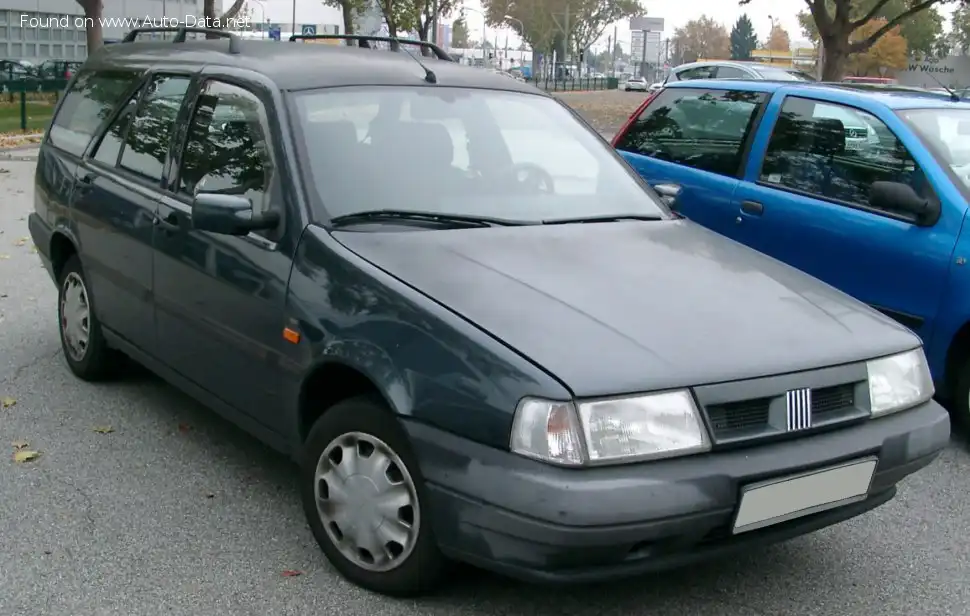
The Fiat Tempra SW (Series 159) 1.9 TD, internally designated 159.AQ, was a station wagon variant produced between 1992 and 1993. It represented a practical, diesel-powered option within the broader Tempra range, which aimed to offer a modern and spacious family vehicle. The Tempra itself was a significant model for Fiat, intended to replace the aging Regata and Croma, and compete with mainstream European family cars like the Ford Mondeo and Opel/Vauxhall Vectra. The SW (Station Wagon) body style added enhanced cargo capacity, making it a popular choice for families and those requiring versatile transportation. This particular 1.9 TD variant occupied the lower to mid-range of the Tempra SW lineup, prioritizing fuel economy and practicality over outright performance.
Technical Specifications
| Brand | Fiat |
| Model | Tempra |
| Generation | Tempra SW (159) |
| Type (Engine) | 1.9 TD (159.AQ) (80 Hp) |
| Start of Production | 1992 |
| End of Production | 1993 |
| Powertrain Architecture | Internal Combustion Engine |
| Body Type | Station Wagon (Estate) |
| Fuel Type | Diesel |
| Power | 80 Hp |
| Engine Model/Code | 160 B6.046 |
| Engine Aspiration | Turbocharger |
| Engine Oil Capacity | 5 l (5.28 US qt | 4.4 UK qt) |
| Coolant Capacity | 8.8 l (9.3 US qt | 7.74 UK qt) |
Powertrain & Engine Architecture
The heart of the Tempra SW 1.9 TD was the 160 B6.046 engine, a 1.9-liter inline-four cylinder diesel. This engine was a product of Fiat’s ongoing development of diesel technology, featuring indirect injection and a turbocharger. Indirect injection, common for diesels of this era, involved pre-combustion chambers where fuel was initially ignited, then transferred to the main cylinder. This design contributed to quieter operation and reduced emissions compared to direct injection systems, though at the cost of some efficiency. The turbocharger, a key feature, significantly boosted power output from what would otherwise be a naturally aspirated engine. It forced more air into the cylinders, allowing for increased fuel combustion and a resulting 80 horsepower. The engine utilized a Bosch rotary injection pump, a reliable system for its time. While not particularly high-tech by modern standards, the 160 B6.046 was known for its durability and relatively simple maintenance requirements. The engine was typically paired with a five-speed manual transmission, though a three-speed automatic was also available, albeit less common. The automatic transmission, while offering convenience, did impact fuel economy and performance.
Driving Characteristics
The Tempra SW 1.9 TD with the manual transmission offered adequate, if not exhilarating, performance. The 80 horsepower and approximately 160 lb-ft of torque provided sufficient power for everyday driving and highway cruising, even with a fully loaded vehicle. The turbocharger did introduce a degree of turbo lag, meaning there was a slight delay between pressing the accelerator and feeling the power surge. However, once the turbo spooled up, the engine provided a usable amount of pulling power. The automatic transmission version, while smoother, noticeably reduced acceleration and responsiveness. Gear ratios were geared towards fuel efficiency rather than sporty driving. The Tempra SW 1.9 TD wasn’t designed to be a performance car; its focus was on providing a comfortable and economical driving experience. Handling was typical for a station wagon of the early 1990s – safe and predictable, but not particularly engaging. The suspension prioritized ride comfort over sharp handling.
Equipment & Trim Levels
The Tempra SW 1.9 TD generally occupied a mid-range position in the Tempra SW lineup. Standard equipment typically included central locking, power steering, and basic instrumentation. Interior upholstery was usually cloth, with a relatively simple dashboard layout. Air conditioning was often an optional extra, as were electric windows and a more advanced audio system. The trim level could vary depending on the market, but generally, the 1.9 TD offered a good balance of features for its price point. Higher trim levels added features like alloy wheels, upgraded interior trim, and additional convenience items. The SW body style itself offered a significant amount of cargo space, making it a practical choice for families. The rear seats could be folded down to further increase cargo capacity.
Chassis & Braking
The Tempra SW utilized a relatively conventional chassis design, with independent front suspension and a torsion beam rear axle. The front suspension featured MacPherson struts, while the rear torsion beam provided a compact and cost-effective solution. Braking systems varied depending on the market and trim level. Lower-spec models often featured drum brakes on the rear wheels, while higher-spec models received disc brakes all around. The braking system was generally adequate for the vehicle’s weight and performance, but lacked the sophistication of more modern systems. Stabilizer bars were fitted to both the front and rear axles to reduce body roll during cornering. Steering was typically power-assisted, making it relatively easy to maneuver at low speeds.
Market Reception & Comparison
The Fiat Tempra SW 1.9 TD was generally well-received in European markets as a practical and economical family vehicle. Critics praised its spacious interior, comfortable ride, and fuel efficiency. However, some criticized its somewhat bland styling and lack of driving excitement. Compared to other trims in the Tempra lineup, the 1.9 TD offered a more affordable entry point, but at the expense of performance. The gasoline-powered versions, particularly the 2.0-liter models, offered more power but were less fuel-efficient. The 1.9 TDI (direct injection) version, available in some markets, provided a noticeable performance boost over the indirect injection 1.9 TD, but also came with a higher price tag. In terms of reliability, the Tempra SW 1.9 TD was generally considered to be a reasonably reliable vehicle, although diesel engines of this era could be prone to issues with the injection pump and turbocharger if not properly maintained.
Legacy
The Fiat Tempra SW 1.9 TD, while not a particularly iconic or collectible vehicle, holds a place in automotive history as a representative of the early 1990s European family car. The 160 B6.046 engine proved to be a durable and long-lasting unit, and many examples are still on the road today. In the used car market, these Tempra SWs are typically affordable and represent a practical option for those seeking a spacious and economical vehicle. However, potential buyers should be aware of the potential for age-related issues, such as rust and wear and tear on the engine and transmission. The Tempra SW 1.9 TD remains a testament to Fiat’s commitment to providing functional and affordable transportation for families.