
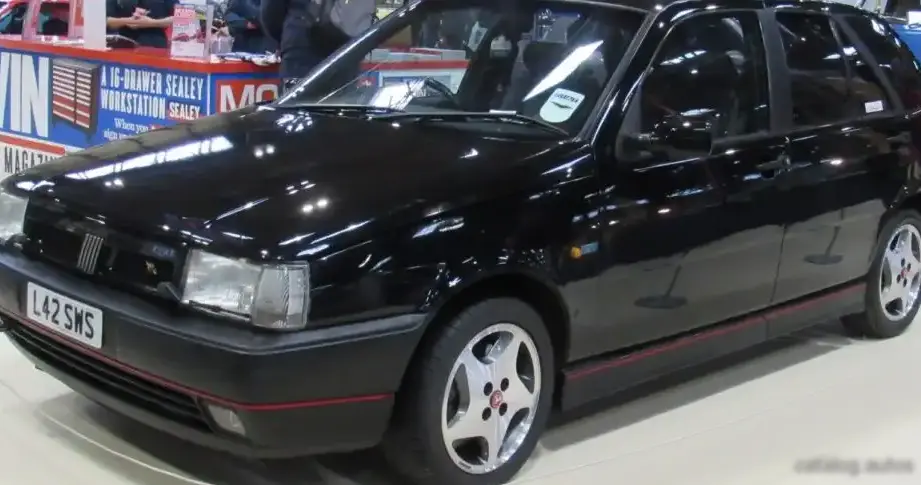
The Fiat Tipo (160) 1.8 i.e. (160.AM), produced between 1994 and 1995, represented a mid-range offering within the second generation Tipo family. The Tipo (160) itself was a significant model for Fiat, designed to replace the aging Uno and Ritmio, aiming for a more modern and spacious compact car. This 1.8-liter variant, delivering 101 horsepower, occupied a space between the base 1.4-liter models and the more performance-oriented 2.0-liter versions. It was primarily marketed towards buyers seeking a balance of practicality, comfort, and reasonable performance, particularly in European markets where compact hatchbacks were – and remain – incredibly popular.
Technical Specifications
| Brand | Fiat |
| Model | Tipo |
| Generation | Tipo (160) |
| Type (Engine) | 1.8 i.e. (160.AM) (101 Hp) |
| Start of production | 1994 |
| End of production | 1995 |
| Powertrain Architecture | Internal Combustion engine |
| Body type | Hatchback |
| Fuel Type | Petrol (Gasoline) |
| Power | 101 Hp |
| Engine Model/Code | 836 A5.000 |
| Engine aspiration | Naturally aspirated engine |
| Engine oil capacity | 5.2 l (5.49 US qt | 4.58 UK qt) |
| Coolant capacity | 6.9 l (7.29 US qt | 6.07 UK qt) |
Powertrain & Engine Architecture
The heart of the Tipo 1.8 i.e. was the 836 A5.000 engine, an 1769cc inline-four cylinder unit. This engine featured a single overhead camshaft (SOHC) valvetrain operating two valves per cylinder. Fuel delivery was managed by Bosch Mono-Motronic fuel injection, a system known for its relative simplicity and reliability. While not as sophisticated as multi-point injection systems found in some competitors, Mono-Motronic provided adequate fuel atomization for the engine’s output. The engine’s design prioritized smooth operation and fuel efficiency over outright performance. The 1.8L engine produced 101 horsepower at 5500 rpm and 137 Nm (101 lb-ft) of torque at 3900 rpm. The engine was typically paired with a four-speed automatic transmission, although a five-speed manual was also available. The automatic transmission, while offering convenience, was not known for its particularly quick shifts or sporty feel.
Driving Characteristics
The Tipo 1.8 i.e. automatic offered a comfortable, if not particularly exhilarating, driving experience. The automatic transmission, while smooth in normal driving conditions, could feel somewhat sluggish when attempting quicker acceleration or overtaking maneuvers. The gear ratios were geared towards fuel economy and relaxed cruising rather than spirited performance. Compared to the five-speed manual version, the automatic resulted in a noticeable decrease in acceleration and a slight increase in fuel consumption. The 1.8L engine provided sufficient power for everyday driving, but it lacked the punch of the 2.0-liter models. Steering was light and easy, making it well-suited for urban environments, but it lacked the precision and feedback desired by more enthusiastic drivers. The suspension, tuned for comfort, absorbed bumps and imperfections in the road reasonably well, contributing to a generally pleasant ride quality.
Equipment & Trim Levels
The 1.8 i.e. trim level typically included features such as power steering, central locking, electric front windows, and a basic stereo system. Interior upholstery was usually cloth, with a relatively simple dashboard layout. Optional extras included air conditioning, alloy wheels, and a sunroof. The level of equipment placed the 1.8 i.e. in a mid-range position within the Tipo lineup. It offered more comfort and convenience features than the base 1.4-liter models but lacked the more luxurious appointments found in the 2.0-liter versions. The interior design, while functional, was somewhat dated even at the time of its release, reflecting Fiat’s focus on practicality and affordability.
Chassis & Braking
The Tipo (160) utilized a relatively conventional chassis design, featuring independent front suspension with MacPherson struts and a torsion beam rear suspension. The front brakes were ventilated discs, while the rear brakes were typically drums, although some higher-spec models featured rear discs. The braking system provided adequate stopping power for everyday driving, but it lacked the sophistication of more advanced systems found in contemporary vehicles. Stabilizer bars were fitted to both the front and rear axles to reduce body roll during cornering. The suspension setup was tuned for comfort, prioritizing ride quality over handling precision. The Tipo’s relatively lightweight construction helped to offset the limitations of its suspension and braking systems.
Market Reception & Comparison
The Fiat Tipo 1.8 i.e. was generally well-received by critics as a practical and affordable family car. However, the automatic transmission was often criticized for its lack of responsiveness and its impact on fuel economy. Compared to competitors such as the Volkswagen Golf, Opel Astra, and Ford Escort, the Tipo offered a competitive price point and a spacious interior. However, it often lagged behind in terms of performance and refinement. The 1.4-liter models were favored by buyers prioritizing fuel economy, while the 2.0-liter versions appealed to those seeking more performance. The 1.8 i.e. struck a compromise between these two extremes, offering a reasonable balance of performance, economy, and comfort. Fuel economy was rated around 30-35 mpg combined, depending on driving conditions.
Legacy
The Fiat Tipo (160) 1.8 i.e. automatic, while not a particularly memorable or groundbreaking vehicle, remains a relatively reliable and affordable option in the used car market. The 836 A5.000 engine is known for its durability, and the automatic transmission, while not the most sophisticated, is generally robust. However, potential buyers should be aware of potential issues such as corrosion, particularly in vehicles that have spent extended periods in harsh climates. Parts availability is generally good, although some specific components may be becoming increasingly difficult to find. Today, the Tipo (160) is often appreciated by enthusiasts for its simple design, its affordability, and its nostalgic appeal. It represents a significant chapter in Fiat’s history, marking a transition towards more modern and spacious compact cars.
