
Technical Specifications
| Brand | Fiat |
| Model | UNO |
| Generation | UNO (146A) |
| Type (Engine) | 1.3 Turbo i.e. (105 Hp) |
| Start of production | 1985 |
| End of production | 1989 |
| Powertrain Architecture | Internal Combustion engine |
| Body type | Hatchback |
| Fuel Type | Petrol (Gasoline) |
| Power | 105 Hp |
| Engine Model/Code | 146 A2.000 |
| Engine aspiration | Turbocharger |
| Engine oil capacity | 4 l / 4.23 US qt / 3.52 UK qt |
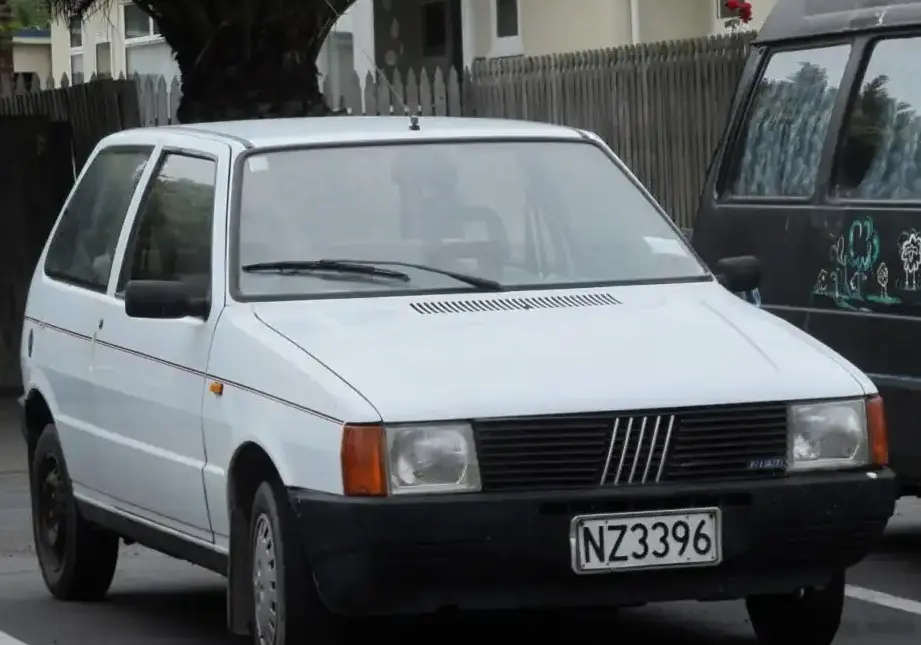
The Fiat Uno 1.3 Turbo i.e., produced between 1985 and 1989, represents a significant and somewhat unexpected performance variant within the first generation (146A) Uno lineup. Launched as a response to the growing popularity of hot hatches in Europe, the 1.3 Turbo i.e. aimed to deliver a spirited driving experience in a small, affordable package. It distinguished itself from the base Uno models through its turbocharged engine, upgraded suspension, and subtle styling enhancements. While not achieving the iconic status of some of its rivals, the Uno Turbo i.e. remains a fondly remembered and relatively rare example of 1980s Italian automotive engineering.
Powertrain & Engine Architecture
The heart of the Uno Turbo i.e. is the 146 A2.000 engine, a 1301cc inline-four cylinder unit. This engine is notable for its use of a Garrett T2 turbocharger with an intercooler, a relatively sophisticated setup for a car of this size and price point at the time. The engine utilizes Bosch Mono-Motronic fuel injection, a single-point injection system that, while not as advanced as multi-point injection, provided reliable and efficient fuel delivery. The cylinder head features eight valves (two per cylinder) operated by a single overhead camshaft. The turbocharger boosts the engine’s output to 105 horsepower at 5500 rpm and 152 Nm (112 lb-ft) of torque at 3500 rpm. The engine’s compression ratio is 8.8:1. The Uno Turbo i.e. was exclusively offered with a five-speed manual transmission, designed to handle the increased power and torque. The transmission featured relatively short gear ratios, contributing to the car’s lively acceleration.
Driving Characteristics
The Uno Turbo i.e. offered a distinctly different driving experience compared to the standard Uno models. The turbocharger provides a noticeable surge of power once it spools up, delivering brisk acceleration. While not a particularly high-speed car – top speed was around 190 km/h (118 mph) – it felt quick and responsive in everyday driving situations. The short gear ratios of the five-speed manual transmission meant that the engine was frequently kept within its power band. Handling was improved over the standard Uno thanks to a slightly stiffer suspension setup and wider tires. However, the Uno’s inherently front-heavy weight distribution and relatively simple suspension design meant that it wasn’t a particularly neutral-handling car, with a tendency towards understeer when pushed hard. The steering, while light, lacked significant feedback. The turbo lag was noticeable, requiring drivers to anticipate and manage the power delivery.
Equipment & Trim Levels
The Uno Turbo i.e. was generally well-equipped for its time and price. Standard features included a sporty interior with bolstered seats, a three-spoke steering wheel, and a revised instrument cluster with a boost gauge. Exterior enhancements included a small rear spoiler, unique wheel covers, and subtle side skirts. Optional extras included power windows, central locking, and a sunroof. The interior trim was typically a combination of dark grey cloth upholstery with black plastic trim. The dashboard layout was similar to other Uno models, but with the addition of the boost gauge and a few other minor cosmetic changes. Air conditioning was rarely fitted, even as an option, due to the potential impact on engine performance.
Chassis & Braking
The Uno Turbo i.e. utilized a MacPherson strut front suspension and a twist-beam rear axle. The suspension was slightly stiffer than that of the standard Uno, providing improved handling and reduced body roll. Braking was initially provided by front disc brakes and rear drum brakes. Later models received rear disc brakes as standard equipment, offering improved stopping power. The brakes were adequate for the car’s performance, but could fade under sustained heavy use. The steering was a rack-and-pinion system, providing light and easy steering feel. The Uno’s relatively lightweight construction (around 830 kg or 1830 lbs) helped to offset the limitations of its chassis and braking systems.
Market Reception & Comparison
The Fiat Uno Turbo i.e. was generally well-received by automotive journalists, who praised its performance and affordability. It was often compared to rivals such as the Peugeot 205 GTI and the Volkswagen Polo GT. While it didn’t quite match the handling prowess of the 205 GTI, it offered a comparable level of performance at a lower price point. Compared to the standard Uno models, the Turbo i.e. represented a significant upgrade in terms of performance and driving enjoyment. Fuel economy was reasonable for a turbocharged car of the era, averaging around 7.5 liters per 100 kilometers (31 mpg). Reliability was generally good, although the turbocharger and fuel injection system could require occasional maintenance. The Uno Turbo i.e. appealed to younger drivers looking for an affordable and sporty hatchback.
Legacy
The Fiat Uno Turbo i.e. remains a popular choice among classic car enthusiasts. Its relatively simple mechanicals and readily available parts make it a relatively easy car to maintain. The 146 A2.000 engine, while not without its quirks, is generally considered to be a robust and reliable unit. The Uno Turbo i.e. has a dedicated following in Italy and other European countries. In the used car market, prices for well-maintained examples have been steadily increasing in recent years. The car’s rarity and its status as a 1980s performance icon contribute to its collectibility. While it may not be as well-known as some of its rivals, the Fiat Uno Turbo i.e. represents a significant chapter in the history of affordable performance cars.

