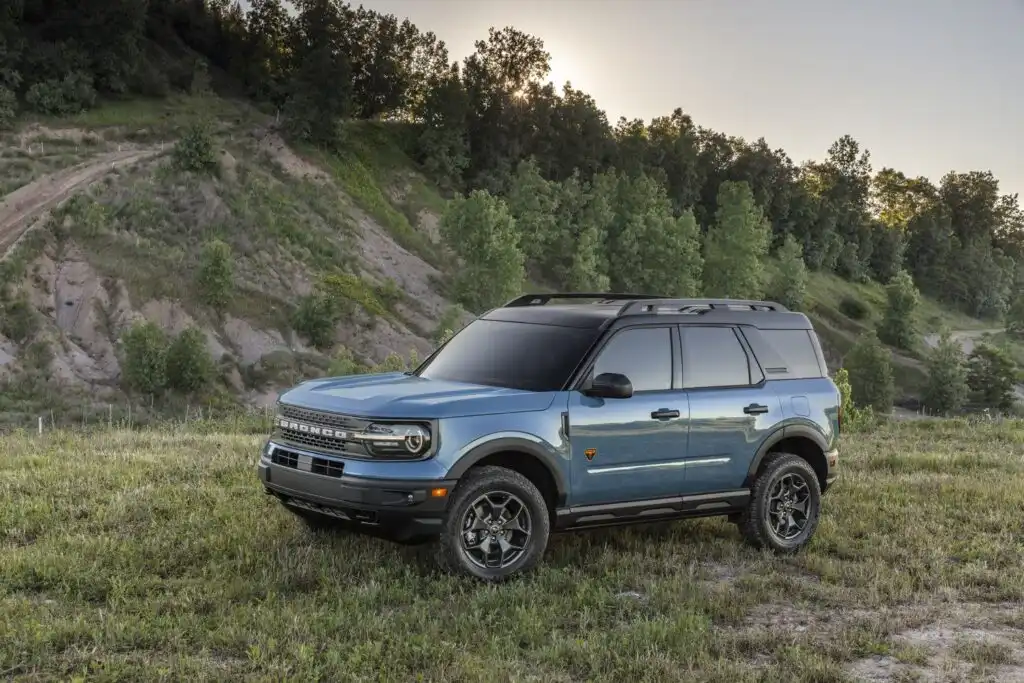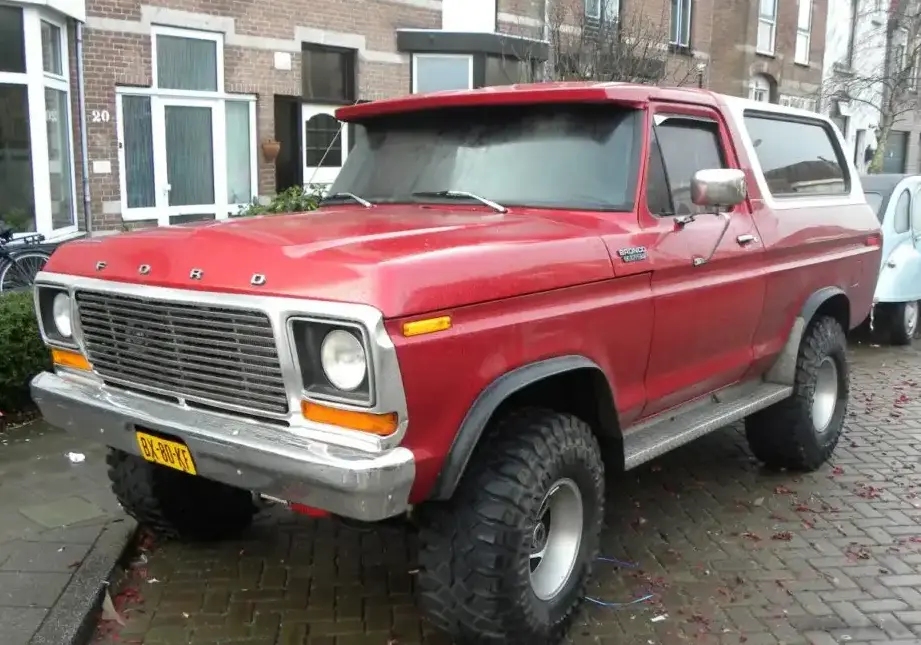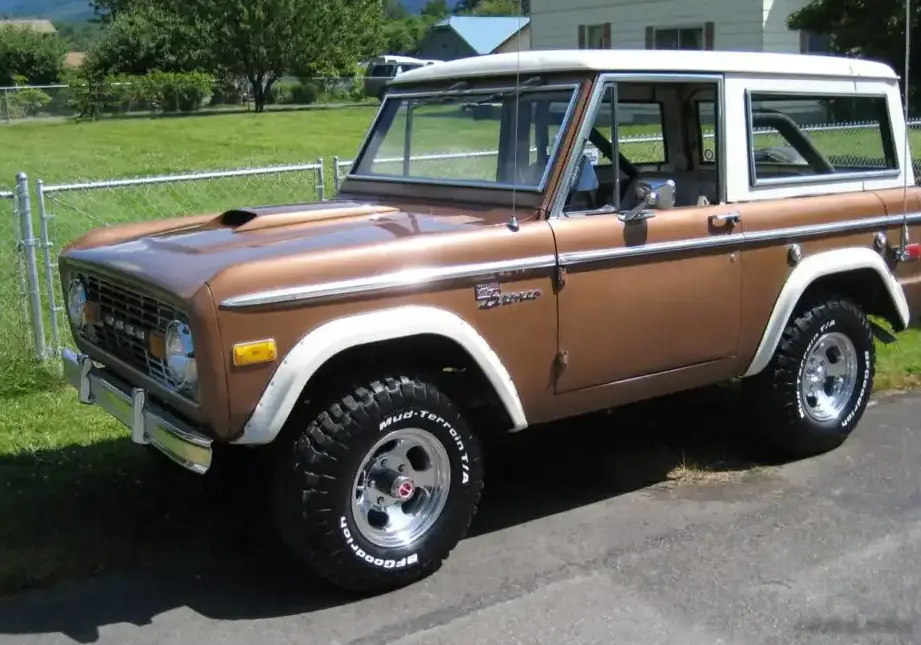
The Ford Bronco I, specifically the variant equipped with the 4.7-liter V8 engine producing 152 horsepower and featuring all-wheel drive (AWD), represents a significant chapter in the early history of the recreational SUV. Produced from 1966 to 1977, this iteration of the Bronco was the first generation of a vehicle that would become iconic for its ruggedness and off-road capability. This particular engine and drivetrain combination occupied a middle ground in the Bronco lineup, offering a balance between power and affordability, appealing to buyers seeking a capable vehicle for both work and leisure. While not the highest-performance Bronco available, the 4.7L V8 AWD model provided a substantial step up from the base inline-six engine options.
Technical Specifications
| Brand | Ford |
| Model | Bronco |
| Generation | Bronco I |
| Type (Engine) | 4.7 V8 (152 Hp) AWD |
| Start of production | 1966 |
| End of production | 1977 |
| Powertrain Architecture | Internal Combustion engine |
| Body type | SUV |
| Seats | 5 |
| Doors | 3 |
| Fuel consumption (economy) – combined | 19 l/100 km (12.4 US mpg, 14.9 UK mpg, 5.3 km/l) |
| Fuel Type | Petrol (Gasoline) |
| Acceleration 0 – 100 km/h | 11 sec |
| Acceleration 0 – 62 mph | 11 sec |
| Acceleration 0 – 60 mph | 10.5 sec |
| Maximum speed | 154 km/h (95.69 mph) |
| Weight-to-power ratio | 10.2 kg/Hp (98.1 Hp/tonne) |
| Weight-to-torque ratio | 4.7 kg/Nm (211.6 Nm/tonne) |
| Power | 152 Hp @ 4400 rpm |
| Power per litre | 32.2 Hp/l |
| Torque | 328 Nm @ 2400 rpm (241.92 lb.-ft. @ 2400 rpm) |
| Engine layout | Front, Longitudinal |
| Engine displacement | 4727 cm3 (288.46 cu. in.) |
| Number of cylinders | 8 |
| Engine configuration | V-engine |
| Cylinder Bore | 101.6 mm (4 in.) |
| Piston Stroke | 72.89 mm (2.87 in.) |
| Compression ratio | 8.6:1 |
| Number of valves per cylinder | 2 |
| Fuel injection system | Carburettor |
| Engine aspiration | Naturally aspirated engine |
| Kerb Weight | 1550 kg (3417.17 lbs.) |
| Length | 3863 mm (152.09 in.) |
| Width | 1748 mm (68.82 in.) |
| Height | 1859 mm (73.19 in.) |
| Wheelbase | 2337 mm (92.01 in.) |
| Front track | 1453 mm (57.2 in.) |
| Rear track | 1453 mm (57.2 in.) |
| Ride height (ground clearance) | 201 mm (7.91 in.) |
| Drag coefficient (Cd) | 0.65 |
| Minimum turning circle | 10.2 m (33.46 ft.) |
| Drive wheel | All wheel drive (4×4) |
| Number of gears and type of gearbox | 3 gears, manual transmission |
| Front brakes | Ventilated discs |
| Rear brakes | Disc |
| Tires size | 165/75 R16 |
| Wheel rims size | 16 |
Powertrain & Engine Architecture
The heart of this Bronco variant was the 4.7-liter (289 cubic inch) Ford Windsor V8 engine. This engine, designated internally as the 302, was a staple of Ford’s lineup during the 1960s and 70s. It featured a cast iron block and cylinder heads, with a two-barrel carburetor managing fuel delivery. The engine’s 8.6:1 compression ratio and relatively mild camshaft profile prioritized low-end torque over peak horsepower, making it well-suited for off-road driving and hauling. The 152 horsepower output was respectable for the era, but it was the 328 Nm (242 lb-ft) of torque available at 2400 rpm that truly defined its character. The engine was mounted longitudinally in the chassis. The standard transmission was a three-speed manual, although a three-speed automatic transmission was also available as an option, though less common with this engine.
Driving Characteristics
The 4.7L V8-equipped Bronco offered a noticeable improvement in performance compared to the base inline-six models. While not a sports car, the V8 provided sufficient power for confident highway cruising and tackling challenging off-road terrain. The three-speed manual transmission, while simple, offered a direct connection to the engine and allowed for precise control. The gear ratios were optimized for low-speed torque, aiding in rock crawling and navigating difficult trails. Compared to later Bronco models with larger engines or more advanced transmissions, this variant felt more raw and connected, offering a more visceral driving experience. The AWD system, a part-time four-wheel drive setup, provided enhanced traction in slippery conditions, but required manual engagement of the front axle.
Equipment & Trim Levels
The 1966-1977 Bronco I was offered in a relatively limited range of trim levels. The 4.7L V8 AWD model typically fell into the mid-range offerings. Standard features included basic instrumentation, vinyl upholstery, and a heater. Options included a radio, upgraded interior trim, and various off-road accessories such as a winch, roll bar, and upgraded suspension components. The interior was functional and utilitarian, reflecting the Bronco’s intended purpose as a rugged utility vehicle. The dashboard layout was simple, with easy-to-read gauges and straightforward controls.
Chassis & Braking
The Bronco I utilized a body-on-frame construction, providing a robust and durable platform. The suspension consisted of leaf springs in the front and rear, offering a comfortable ride on paved roads while maintaining sufficient articulation for off-road use. The front brakes were ventilated discs, providing adequate stopping power, while the rear brakes were drums. This configuration was typical for vehicles of this era and weight class. The relatively short wheelbase (2337 mm / 92.01 in.) contributed to the Bronco’s maneuverability in tight spaces, but could also make the ride somewhat choppy on rough roads.
Market Reception & Comparison
The Ford Bronco I was generally well-received by automotive critics and the public. The 4.7L V8 AWD variant was praised for its combination of power, capability, and affordability. It offered a compelling alternative to other SUVs and pickup trucks of the time. Compared to the base inline-six models, the V8 provided a significant performance boost, while remaining more economical than the larger 5.0L V8 option. Fuel economy, however, was a common criticism, averaging around 12.4 US mpg. Reliability was generally good, although the carburetor required periodic maintenance.
Legacy
The first-generation Ford Bronco, including the 4.7L V8 AWD variant, has become a highly sought-after classic vehicle. Its rugged design, simple mechanics, and off-road capability have earned it a devoted following. While the carburetor and drum brakes may require more maintenance than modern components, the Bronco’s robust construction and readily available parts supply ensure that it can be kept running for years to come. Today, well-maintained examples of the 4.7L V8 AWD Bronco command premium prices in the used car market, reflecting its enduring appeal and historical significance. The Bronco’s legacy continues with the modern Bronco, which draws heavily on the design and spirit of the original.