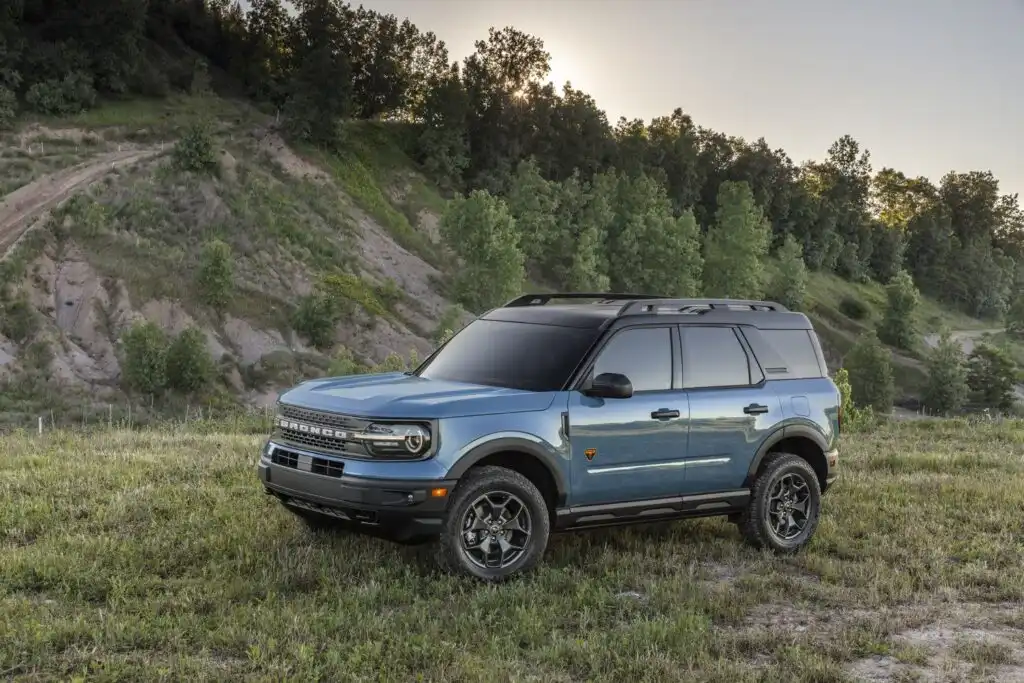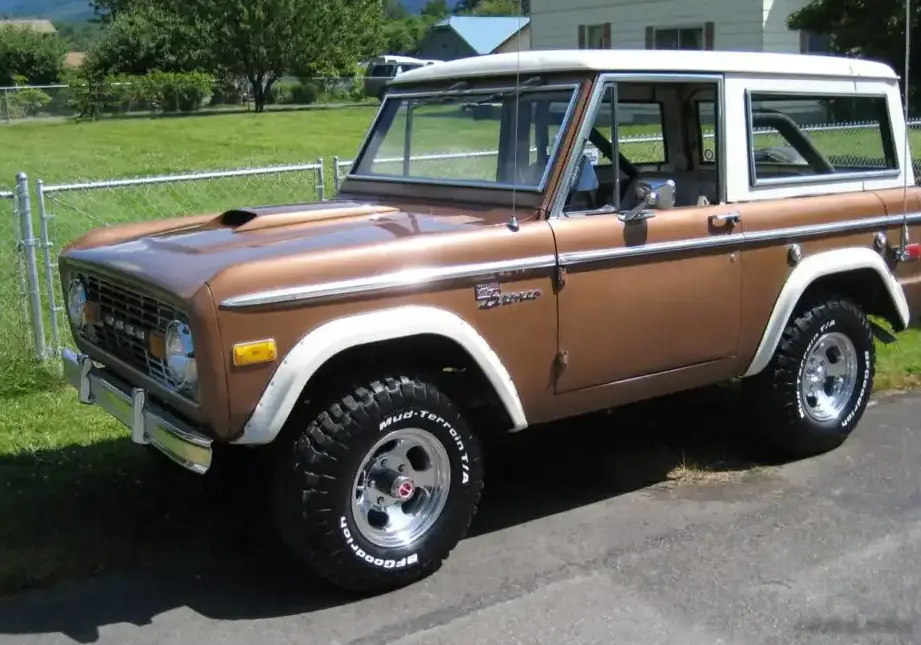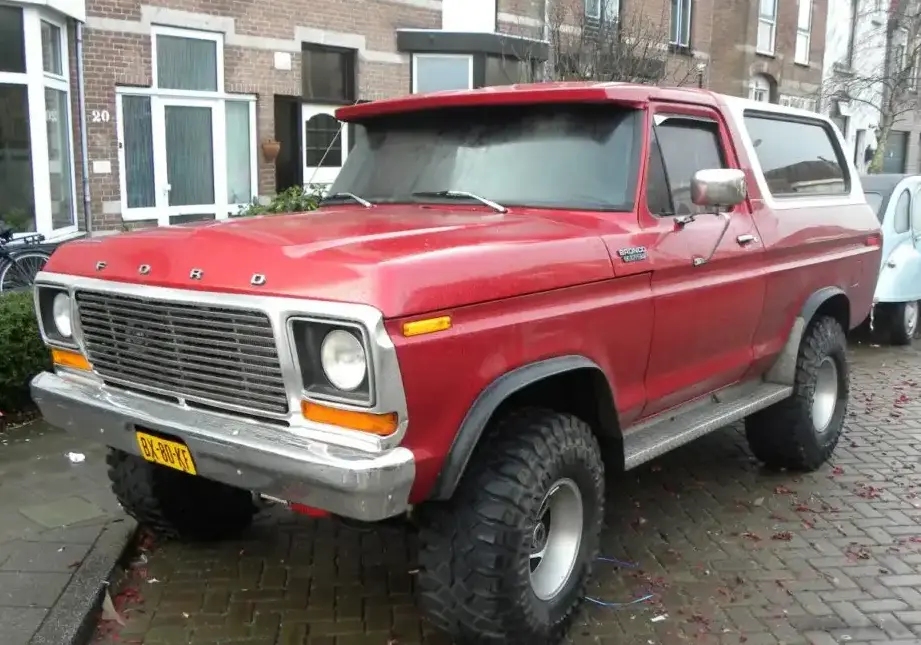
The Ford Bronco II 6.6 V8, produced for a limited run between 1978 and 1979, represented a unique and powerful offering within the first generation Bronco II lineup. Positioned as a more robust and capable variant, it catered to buyers seeking substantial power and all-wheel-drive capability in a relatively compact SUV package. This model occupied the top performance tier of the Bronco II range during its brief production, standing apart from the smaller displacement inline-six engine options. It was built on the Ford Bronco platform, a direct competitor to the Chevrolet K5 Blazer and International Scout II.
Technical Specifications
| Brand | Ford |
| Model | Bronco |
| Generation | Bronco II |
| Type (Engine) | 6.6 V8 (158 Hp) AWD Automatic |
| Start of production | 1978 |
| End of production | 1979 |
| Powertrain Architecture | Internal Combustion engine |
| Body type | SUV |
| Seats | 5 |
| Doors | 3 |
| Fuel Type | Petrol (Gasoline) |
| Weight-to-power ratio | 13.5 kg/Hp, 73.8 Hp/tonne |
| Weight-to-torque ratio | 5.7 kg/Nm, 175.2 Nm/tonne |
| Power | 158 Hp @ 4000 rpm |
| Power per litre | 24 Hp/l |
| Torque | 375 Nm @ 2000 rpm, 276.59 lb.-ft. @ 2000 rpm |
| Engine layout | Front, Longitudinal |
| Engine Model/Code | 400 |
| Engine displacement | 6590 cm3, 402.15 cu. in. |
| Number of cylinders | 8 |
| Engine configuration | V-engine |
| Cylinder Bore | 101.6 mm, 4 in. |
| Piston Stroke | 101.6 mm, 4 in. |
| Compression ratio | 8:1 |
| Number of valves per cylinder | 2 |
| Fuel injection system | Carburettor |
| Engine aspiration | Naturally aspirated engine |
| Valvetrain | OHV |
| Kerb Weight | 2140 kg, 4717.89 lbs |
| Max. weight | 2720 kg, 5996.57 lbs |
| Max load | 580 kg, 1278.68 lbs |
| Length | 4580 mm, 180.31 in |
| Width | 2014 mm, 79.29 in |
| Height | 1918 mm, 75.51 in |
| Wheelbase | 2642 mm, 104.02 in |
| Front track | 1630 mm, 64.17 in |
| Rear (Back) track | 1640 mm, 64.57 in |
| Ride height (ground clearance) | 198 mm, 7.8 in |
| Drag coefficient (Cd) | 0.65 |
| Minimum turning circle (turning diameter) | 10.8 m, 35.43 ft |
| Drive wheel | All wheel drive (4×4) |
| Number of gears and type of gearbox | 3 gears, automatic transmission |
| Front brakes | Disc |
| Rear brakes | Drum |
| Tires size | 235/75 R15 |
| Wheel rims size | 15 |
Powertrain & Engine Architecture
The heart of the Bronco II 6.6 V8 was Ford’s 400 cubic inch (6.6-liter) V8 engine. This engine, internally designated as the 400, was a robust and relatively simple design, utilizing a cast iron block and cylinder heads. It featured a 8:1 compression ratio and employed a two-barrel carburetor for fuel delivery. The overhead valve (OHV) valvetrain, while not the most modern, was known for its durability and ease of maintenance. The engine produced 158 horsepower at 4,000 rpm and a substantial 375 Nm (276.59 lb-ft) of torque at 2,000 rpm. This torque output was a key characteristic, providing strong low-end pulling power ideal for off-road use and towing. The engine was mounted longitudinally in the chassis. The automatic transmission was a three-speed unit, providing relatively smooth but not particularly quick shifts. It was chosen to complement the engine’s torque curve, prioritizing usability over outright performance.
Driving Characteristics
The Bronco II 6.6 V8 offered a distinctly different driving experience compared to the smaller-engined versions. The substantial torque of the V8 meant that the vehicle felt strong and capable, even when fully loaded or tackling challenging terrain. However, the three-speed automatic transmission limited acceleration, and the overall gearing wasn’t optimized for fuel economy. The Bronco II wasn’t a fast vehicle, but it excelled at providing usable power where it was needed most. The all-wheel-drive system, while not a sophisticated electronic system like those found in modern SUVs, provided enhanced traction on loose surfaces. The ride quality was typical of body-on-frame SUVs of the era – firm and somewhat bouncy, but generally acceptable for the intended purpose.
Equipment & Trim Levels
The Bronco II 6.6 V8 was generally equipped with a fairly basic level of trim, reflecting its focus on capability rather than luxury. Standard features typically included a vinyl interior, basic instrumentation, and a heater. Air conditioning, power steering, and upgraded upholstery were often available as optional extras. The interior design was functional and utilitarian, prioritizing durability and ease of cleaning. The dashboard layout was straightforward, with clearly marked gauges and controls. The trim level was generally positioned as a step above the base models, but below any potential luxury-oriented packages.
Chassis & Braking
The Bronco II utilized a traditional body-on-frame construction, providing a robust and durable chassis. The suspension consisted of leaf springs in the rear and coil springs in the front. The rear brakes were drums, while the front brakes were discs. This configuration was common for SUVs of the time, balancing cost and performance. The steering was a recirculating ball system, providing a relatively direct feel but lacking the precision of more modern steering technologies. The 15-inch wheels were fitted with 235/75 R15 tires, offering a good compromise between on-road comfort and off-road traction.
Market Reception & Comparison
The Bronco II 6.6 V8 received mixed reviews. While the engine’s power and torque were widely praised, the vehicle’s fuel economy and handling were often criticized. Compared to the inline-six versions, the V8 offered significantly more performance, but at the cost of increased fuel consumption and a higher price tag. The V8 was aimed at buyers who prioritized power and capability over efficiency and refinement. It was seen as a direct competitor to larger SUVs like the Chevrolet K5 Blazer, but offered a more compact and maneuverable package.
Legacy
The Ford Bronco II 6.6 V8 remains a relatively rare and sought-after vehicle among collectors and enthusiasts. The 400 cubic inch V8 engine is known for its durability and relative simplicity, making it a popular choice for restoration projects. While the Bronco II’s overall reputation has grown in recent years, the 6.6 V8 variant is particularly valued for its unique combination of power and capability. Finding well-maintained examples can be challenging, but the Bronco II 6.6 V8 represents a unique chapter in Ford’s SUV history, and a testament to the era of big-block American muscle.