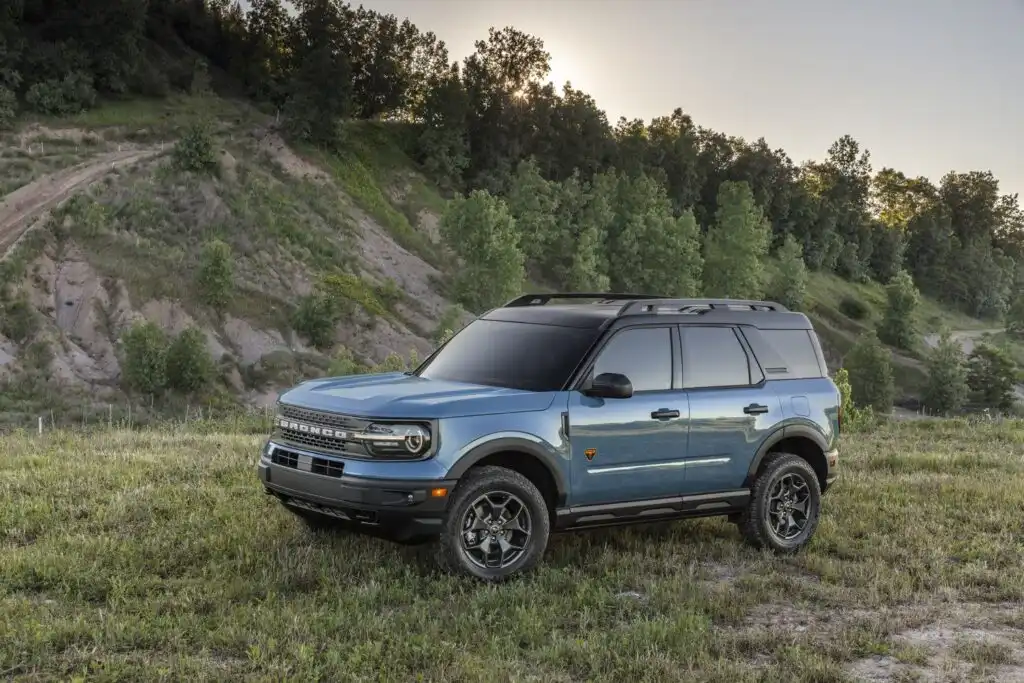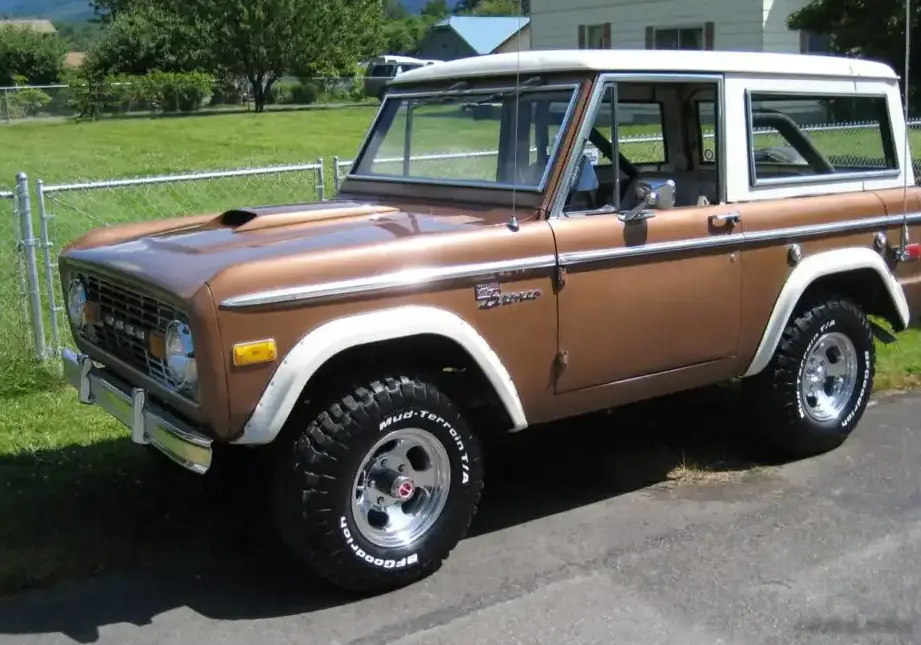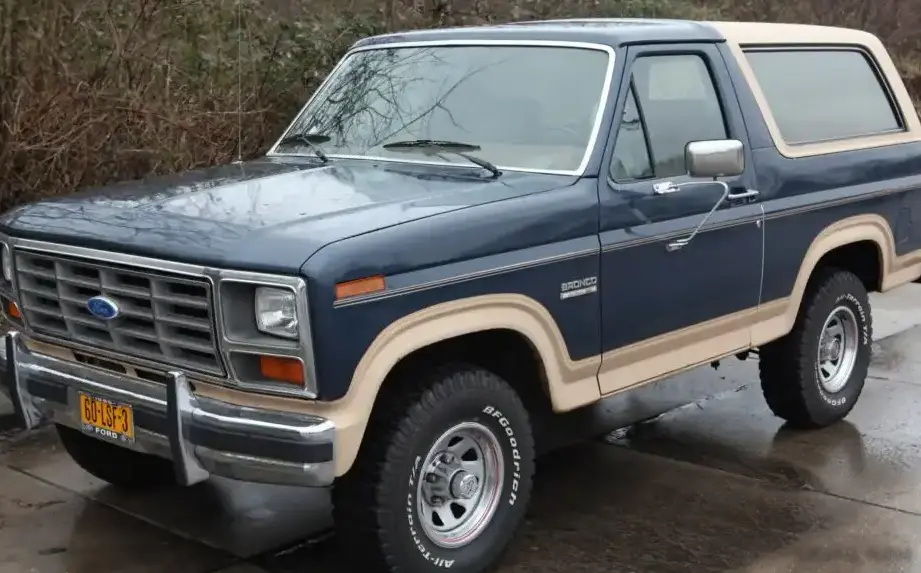
The Ford Bronco III, specifically the variant equipped with the 4.2-liter V8 engine producing 119 horsepower and paired with an automatic transmission and all-wheel drive, was a significant iteration of Ford’s popular SUV. Produced from 1980 to 1986, this version occupied a middle ground within the Bronco III lineup, offering a balance between affordability and capability. It represented a continuation of the Bronco’s legacy as a rugged, off-road capable vehicle, albeit with a shift towards more mainstream appeal compared to its earlier, more spartan predecessors. The Bronco III was built on a shortened Ford F-150 chassis, aiming to provide a more manageable size for both urban driving and trail exploration.
Technical Specifications
| Brand | Ford |
| Model | Bronco |
| Generation | Bronco III |
| Type (Engine) | 4.2 V8 (119 Hp) AWD Automatic |
| Start of production | 1980 year |
| End of production | 1986 year |
| Powertrain Architecture | Internal Combustion engine |
| Body type | SUV |
| Seats | 5 |
| Doors | 3 |
| Fuel Type | Petrol (Gasoline) |
| Weight-to-power ratio | 16.6 kg/Hp, 60.4 Hp/tonne |
| Weight-to-torque ratio | 7.5 kg/Nm, 133 Nm/tonne |
| Power | 119 Hp @ 3800 rpm |
| Power per litre | 28.4 Hp/l |
| Torque | 262 Nm @ 2000 rpm, 193.24 lb.-ft. @ 2000 rpm |
| Engine layout | Front, Longitudinal |
| Engine displacement | 4183 cm3, 255.26 cu. in. |
| Number of cylinders | 8 |
| Engine configuration | V-engine |
| Cylinder Bore | 93.47 mm, 3.68 in. |
| Piston Stroke | 76.2 mm, 3 in. |
| Compression ratio | 8.8:1 |
| Number of valves per cylinder | 2 |
| Fuel injection system | Carburettor |
| Engine aspiration | Naturally aspirated engine |
| Kerb Weight | 1970 kg, 4343.11 lbs |
| Max. weight | 2635 kg, 5809.18 lbs |
| Max load | 665 kg, 1466.07 lbs |
| Length | 4511 mm, 177.6 in |
| Width | 1980 mm, 77.95 in |
| Height | 1870 mm, 73.62 in |
| Wheelbase | 2659 mm, 104.69 in |
| Front track | 1654 mm, 65.12 in |
| Rear (Back) track | 1636 mm, 64.41 in |
| Ride height (ground clearance) | 234 mm, 9.21 in |
| Drag coefficient (Cd) | 0.65 |
| Minimum turning circle (turning diameter) | 11.13 m, 36.52 ft |
| Drive wheel | All wheel drive (4×4) |
| Number of gears and type of gearbox | 3 gears, automatic transmission |
| Front brakes | Disc |
| Rear brakes | Drum |
| Tires size | 235/75 R15 |
| Wheel rims size | 15 |
Powertrain & Engine Architecture
The heart of this Bronco III variant was the 4.2-liter (255 cubic inch) Ford Windsor V8 engine. This engine, designated as the 302 cubic inch small block V8, was a staple of Ford’s lineup for decades. In the Bronco III, it was typically equipped with a two-barrel carburetor, contributing to its relatively modest 119 horsepower output. The engine featured a cast iron block and cylinder heads, and a traditional pushrod valvetrain with two valves per cylinder. The 4.2L V8 was known for its durability and relatively simple maintenance requirements, though its carbureted fuel system was less efficient and produced higher emissions compared to fuel-injected engines. The three-speed automatic transmission, a Ford C6, was a robust and reliable unit, though it lacked the sophistication of more modern automatics. It provided relatively smooth shifts but wasn’t optimized for fuel economy.
Driving Characteristics
The 119 horsepower and 193 lb-ft of torque delivered by the 4.2L V8 and C6 automatic combination provided adequate, but not exhilarating, performance. Acceleration was leisurely, and passing maneuvers required careful planning. The automatic transmission’s gear ratios were geared more towards low-end torque for off-road capability rather than outright speed. Compared to the available manual transmission options, the automatic Bronco III felt noticeably slower. However, the automatic offered a more relaxed driving experience, particularly in city traffic or during off-road excursions where precise throttle control was beneficial. The all-wheel-drive system provided enhanced traction in slippery conditions, making it a capable vehicle for navigating challenging terrain.
Equipment & Trim Levels
The 4.2L V8 Automatic Bronco III typically fell into the mid-range of available trim levels. Standard features generally included basic interior trim, a vinyl or cloth upholstery, and a functional dashboard layout. Power steering and power brakes were often included, but air conditioning and upgraded interior options were typically extra-cost items. The Bronco III offered a relatively spartan interior compared to more luxurious SUVs of the era, focusing on durability and functionality. Optional extras included upgraded sound systems, chrome exterior trim, and various off-road packages with features like skid plates and upgraded suspension components.
Chassis & Braking
The Bronco III utilized a body-on-frame construction, providing a robust and durable chassis. The front suspension consisted of independent coil springs, while the rear suspension employed leaf springs. This setup provided a comfortable ride on paved roads while maintaining sufficient articulation for off-road use. The braking system featured disc brakes on the front wheels and drum brakes on the rear. While adequate for the vehicle’s weight and performance, the drum brakes on the rear were less effective than disc brakes in demanding situations. The Bronco III’s relatively high ground clearance of 9.21 inches contributed to its off-road capability, allowing it to navigate obstacles with ease.
Market Reception & Comparison
The 4.2L V8 Automatic Bronco III received mixed reviews. Critics generally praised its ruggedness and off-road capability, but noted its relatively slow acceleration and less-than-stellar fuel economy. Compared to the six-cylinder Bronco III models, the V8 offered more power but at the cost of increased fuel consumption. The automatic transmission was seen as a convenient option for many buyers, but enthusiasts often preferred the control and responsiveness of the manual transmission. The Bronco III competed with other compact SUVs of the era, such as the Chevrolet Blazer and the Jeep CJ, offering a unique blend of off-road capability and affordability.
Legacy
The Ford Bronco III, particularly the 4.2L V8 Automatic variant, has developed a loyal following among classic SUV enthusiasts. The 302 Windsor V8 engine is known for its durability and ease of maintenance, making it a relatively reliable powertrain. While not particularly fuel-efficient by modern standards, the Bronco III remains a popular choice for restoration projects and off-road adventures. Today, well-maintained examples command a respectable price in the used car market, reflecting the vehicle’s enduring appeal and its place in Ford’s automotive history. The simplicity of the engine and transmission makes it a relatively straightforward vehicle for home mechanics to work on, contributing to its continued popularity among those who enjoy hands-on automotive maintenance.