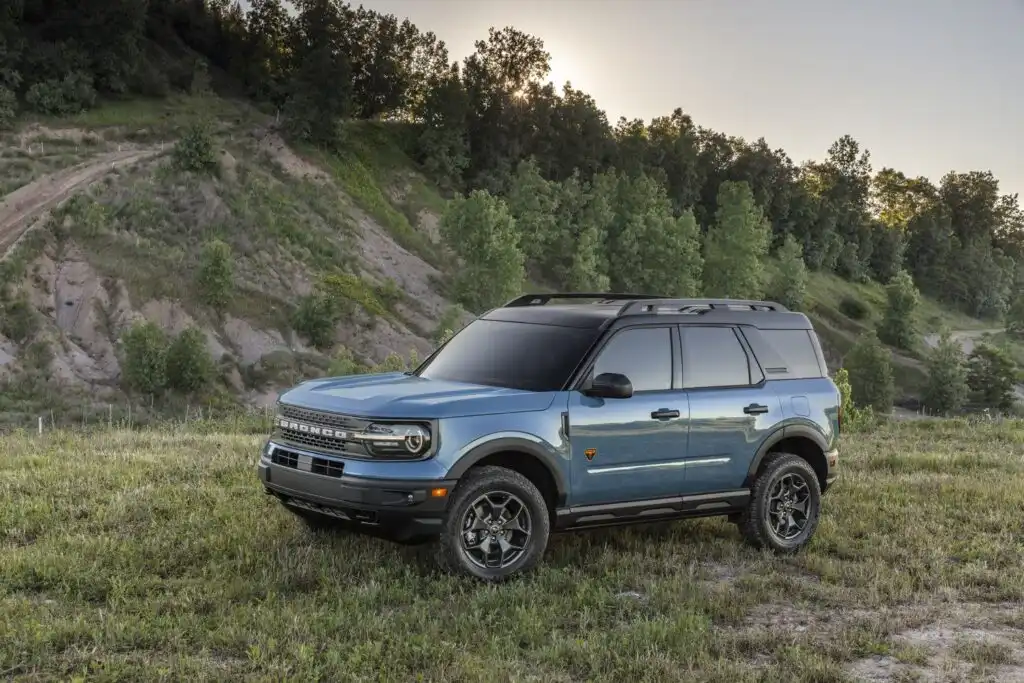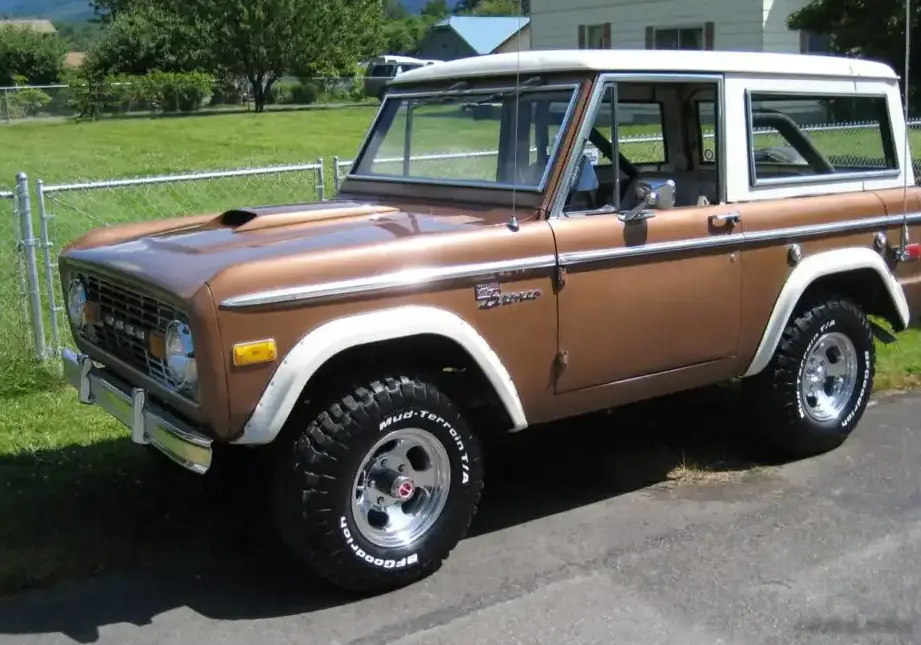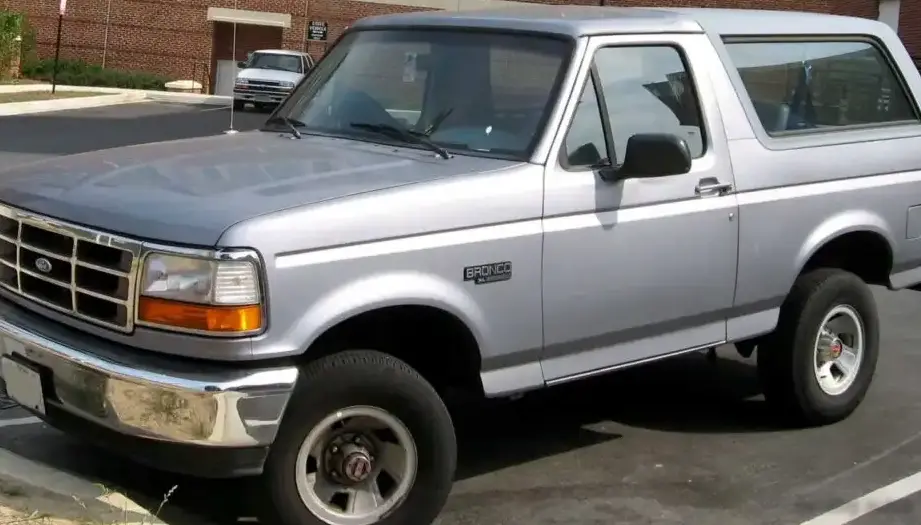
The Ford Bronco V 4.9L, produced between 1992 and 1996, represented a continuation of the iconic Bronco lineage during the third generation (1980-1996). This variant, equipped with the 4.9-liter inline-six engine and a five-speed manual transmission, occupied a middle ground in the Bronco lineup, offering a balance between affordability, capability, and relatively simple mechanicals. It served as a workhorse option for buyers prioritizing utility and off-road performance over luxury or high-end features. The Bronco, throughout its history, was a distinctly American vehicle, designed to compete with Jeep’s CJ series and later the Wrangler, offering a rugged alternative for those seeking open-air driving and off-pavement adventures.
Technical Specifications
| Brand | Ford |
| Model | Bronco |
| Generation | Bronco V |
| Type (Engine) | 4.9 (147 Hp) AWD |
| Start of production | 1992 |
| End of production | 1996 |
| Powertrain Architecture | Internal Combustion engine |
| Body type | SUV |
| Seats | 5 |
| Doors | 3 |
| Fuel consumption (urban) | 16.8 l/100 km (14 US mpg, 16.8 UK mpg, 6 km/l) |
| Fuel consumption (extra urban) | 13.8 l/100 km (17 US mpg, 20.5 UK mpg, 7.2 km/l) |
| Fuel consumption (combined) | 15.7 l/100 km (15 US mpg, 18 UK mpg, 6.4 km/l) |
| Fuel Type | Petrol (Gasoline) |
| Power | 147 Hp @ 3400 rpm |
| Power per litre | 29.9 Hp/l |
| Torque | 360 Nm @ 2000 rpm (265.52 lb.-ft. @ 2000 rpm) |
| Engine layout | Front, Longitudinal |
| Engine displacement | 4917 cm3 (300.05 cu. in.) |
| Number of cylinders | 6 |
| Engine configuration | Inline |
| Cylinder Bore | 101.6 mm (4 in.) |
| Piston Stroke | 101.09 mm (3.98 in.) |
| Compression ratio | 8.8:1 |
| Number of valves per cylinder | 2 |
| Fuel injection system | Multi-port manifold injection |
| Engine aspiration | Naturally aspirated engine |
| Valvetrain | OHV |
| Engine oil capacity | 5.7 l (6.02 US qt | 5.02 UK qt) |
| Coolant capacity | 14 l (14.79 US qt | 12.32 UK qt) |
| Max. weight | 2000 kg (4409.25 lbs.) |
| Trunk (boot) space – minimum | 917 l (32.38 cu. ft.) |
| Trunk (boot) space – maximum | 1857 l (65.58 cu. ft.) |
| Fuel tank capacity | 121 l (31.96 US gal | 26.62 UK gal) |
| Length | 4663 mm (183.58 in.) |
| Width | 2009 mm (79.09 in.) |
| Height | 1892 mm (74.49 in.) |
| Wheelbase | 2659 mm (104.69 in.) |
| Front track | 1654 mm (65.12 in.) |
| Rear track | 1636 mm (64.41 in.) |
| Drag coefficient (Cd) | 0.60 |
| Minimum turning circle | 11.4 m (37.4 ft.) |
| Drive wheel | All wheel drive (4×4) |
| Number of gears | 5 |
| Gearbox type | Manual transmission |
| Front suspension | Several levers and rods |
| Rear suspension | Leaf spring |
| Front brakes | Disc |
| Rear brakes | Drum |
| Assisting systems | ABS (Anti-lock braking system) |
| Tires size | 235/75 R15 |
| Wheel rims size | 15 |
Powertrain & Engine Architecture
The heart of the Bronco V 4.9L was the 4.9-liter (300 cubic inch) inline-six engine. This engine, a descendant of the Ford 300 straight-six that had been in production since 1965, was known for its durability and low-end torque. The 4.9L version utilized a multi-port fuel injection system, replacing the carburetor found on earlier iterations, which improved efficiency and emissions. The engine featured an overhead valve (OHV) valvetrain with two valves per cylinder. The 4.9L produced 147 horsepower at 3400 rpm and 360 Nm (265.52 lb-ft) of torque at 2000 rpm. This torque curve was particularly well-suited for off-road driving and towing. The five-speed manual transmission provided a relatively deep first gear for crawling over obstacles, while the higher gears allowed for comfortable highway cruising. The transmission was a standard, non-overdrive unit, prioritizing robustness over fuel economy.
Driving Characteristics
The Bronco V 4.9L with the manual transmission offered a distinctly mechanical driving experience. Acceleration was adequate, but not particularly brisk. The engine’s strength lay in its mid-range torque, making it capable of pulling through challenging terrain. The manual gearbox required a deliberate hand, and the clutch pedal had a fairly heavy feel. Compared to the automatic transmission option, the manual provided more driver control and a slightly more engaging experience. Compared to higher-output Bronco trims (those equipped with the optional V8 engine), the 4.9L felt noticeably slower, especially when fully loaded or towing. However, the 4.9L’s lighter weight and simpler mechanicals contributed to better fuel economy and reduced maintenance costs.
Equipment & Trim Levels
The Bronco V 4.9L was typically equipped with basic, utilitarian features. Standard equipment included a removable hardtop, full steel doors, and a relatively spartan interior. Upholstery was typically vinyl or a durable cloth. Air conditioning, power steering, and upgraded sound systems were available as options. The trim level was generally considered a step above the base model, offering a few more convenience features, but still prioritizing functionality over luxury. The Bronco’s interior was designed to be easily cleaned and maintained, reflecting its intended use as a rugged, off-road vehicle.
Chassis & Braking
The Bronco V 4.9L utilized a body-on-frame construction, providing a robust and durable chassis. The front suspension consisted of a multi-link setup with coil springs, while the rear suspension employed leaf springs. This combination provided a good balance of ride comfort and off-road capability. Braking duties were handled by disc brakes in the front and drum brakes in the rear. An anti-lock braking system (ABS) was available as an option, improving braking performance on slippery surfaces. The Bronco’s relatively high ground clearance and short wheelbase contributed to its excellent off-road prowess.
Market Reception & Comparison
The Bronco V 4.9L was generally well-received by buyers seeking a capable and affordable SUV. Critics praised its durability, off-road performance, and simple mechanicals. However, some noted its relatively low power output and basic interior. Compared to the V8-powered Broncos, the 4.9L offered significantly lower fuel consumption and a lower purchase price. The automatic transmission version of the 4.9L was popular with buyers who preferred the convenience of an automatic, but it came at the expense of some performance and fuel economy. The 4.9L Bronco represented a sweet spot for many buyers, offering a good balance of capability, affordability, and reliability.
Legacy
The Ford Bronco V 4.9L has developed a loyal following among enthusiasts. The 4.9L inline-six engine is known for its longevity and relatively simple maintenance requirements. Today, well-maintained examples of the Bronco V 4.9L are sought after by collectors and off-road enthusiasts. The Bronco’s enduring popularity is a testament to its rugged design, capable performance, and iconic status. While the third-generation Bronco had its shortcomings, the 4.9L variant remains a viable and enjoyable classic SUV, offering a unique driving experience and a connection to a bygone era of American automotive history.