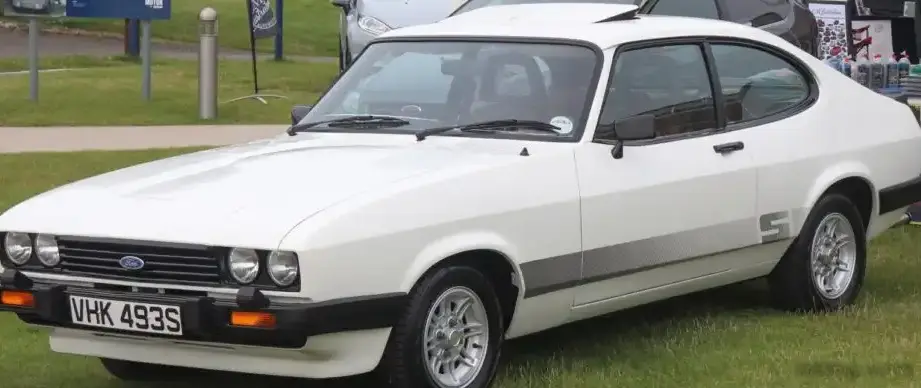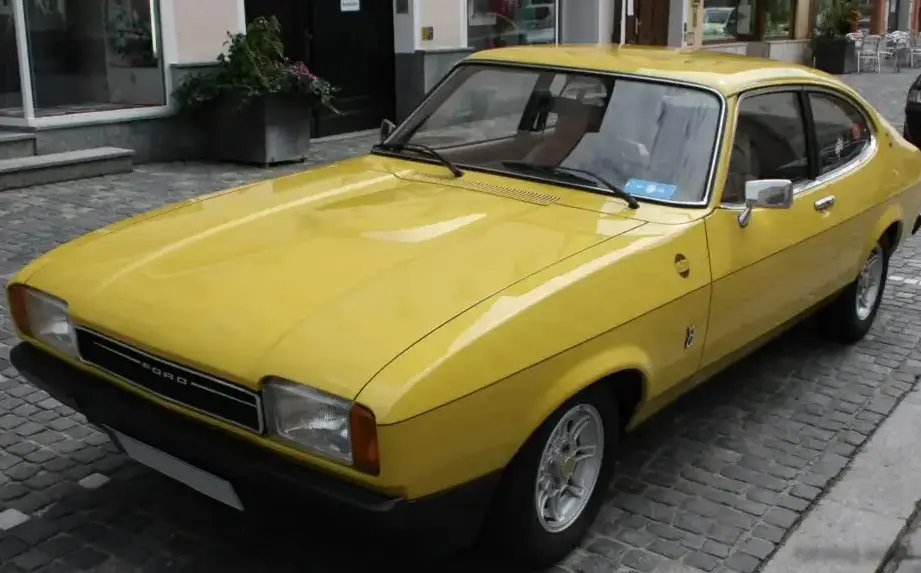
The Ford Capri II 2.3, produced between 1974 and 1977, represented a significant mid-cycle update to Ford of Europe’s popular coupe. Falling within the GECP generation, this 2.3-liter variant occupied a middle ground in the Capri lineup, offering a balance between performance and affordability. It aimed to appeal to buyers seeking a stylish, sporty coupe without the expense of the larger displacement V6 models. The Capri, conceived as Ford of Europe’s answer to the Chevrolet Camaro and Ford Mustang, quickly became a sales success, and the Mark II iteration refined the original’s design and mechanicals, solidifying its position in the European market. This particular 2.3-liter engine and transmission combination was a key component of that strategy, offering a compelling package for the discerning driver.
Technical Specifications
| Brand | Ford |
| Model | Capri |
| Generation | Capri II (GECP) |
| Type (Engine) | 2.3 (107 Hp) |
| Start of Production | 1974 |
| End of Production | 1977 |
| Powertrain Architecture | Internal Combustion Engine |
| Body Type | Coupe |
| Fuel Type | Petrol (Gasoline) |
| Power | 107 Hp |
| Engine Aspiration | Naturally Aspirated |
Powertrain & Engine Architecture
The heart of the Capri II 2.3 was the Ford Cologne engine, specifically the 2.3-liter inline-four cylinder unit. This engine, designated as the 2000E, was a robust and relatively simple design, known for its durability. While sharing a basic architecture with the smaller 1.6 and 2.0-liter Cologne engines, the 2.3 featured a larger bore and stroke, increasing displacement and, consequently, power output. The 107 horsepower figure was achieved through a single downdraft carburetor, typically a Ford 38DGAS, and a compression ratio of 8.8:1. The engine utilized a cast iron block and an aluminum cylinder head, contributing to its overall weight and thermal management characteristics.
The 2.3-liter Capri II was typically paired with a three-speed automatic transmission, the Ford C3. This transmission, while providing convenience, was not known for its particularly sporty performance. It featured a torque converter and a relatively conservative gear ratio spread, prioritizing smooth operation and fuel economy over outright acceleration. Manual transmission options were available, and generally preferred by enthusiasts for their improved responsiveness and driver engagement. The automatic transmission was aimed at buyers who prioritized ease of use and comfort over performance.
Driving Characteristics
The driving experience in a Capri II 2.3 with the automatic transmission was characterized by relaxed cruising and adequate, but not exhilarating, performance. The 107 horsepower engine provided sufficient power for everyday driving, but acceleration was noticeably slower compared to the 2.8-liter V6 models or even the 2.0-liter versions with manual transmissions. The automatic transmission’s gear ratios were geared towards fuel efficiency, resulting in a somewhat sluggish response during overtaking maneuvers. The Capri II’s suspension, consisting of MacPherson struts at the front and a leaf-sprung rear axle, provided a comfortable ride, but also exhibited some body roll during cornering. The steering, while not overly heavy, lacked the precision of more modern systems. Overall, the 2.3 automatic Capri II offered a comfortable and stylish driving experience, but it wasn’t designed for aggressive driving or track performance.
Equipment & Trim Levels
The Capri II 2.3 typically came equipped with a reasonable level of standard features for its time. These included cloth upholstery, a basic instrument cluster with speedometer, fuel gauge, and temperature gauge, and a two-spoke steering wheel. Optional extras included a vinyl roof, upgraded interior trim, a radio, and heated rear window. The 2.3 model generally sat in the mid-range of the Capri II lineup, offering more features than the base 1.6-liter models but lacking the luxury appointments of the V6 variants. Trim levels varied slightly depending on the market, but generally included options for different interior color schemes and exterior paint finishes. The Capri II’s interior design was functional and aesthetically pleasing, reflecting the styling trends of the 1970s.
Chassis & Braking
The Capri II utilized a body-on-frame construction, providing a robust and durable chassis. The front suspension featured MacPherson struts, coil springs, and an anti-roll bar, while the rear suspension employed a leaf spring setup with trailing arms. The braking system on the 2.3 model typically consisted of disc brakes at the front and drum brakes at the rear. The size of the brake discs and drums varied depending on the specific market and trim level. Steering was provided by a recirculating ball system, offering reasonable precision but lacking the feel of more modern rack-and-pinion setups. The Capri II’s chassis and braking system were adequate for its intended purpose, providing a safe and predictable driving experience, but they weren’t designed for high-performance driving.
Market Reception & Comparison
The Capri II 2.3 received generally positive reviews from automotive critics. It was praised for its stylish design, comfortable ride, and relatively affordable price. However, the automatic transmission was often criticized for its lack of responsiveness and its impact on fuel economy. Compared to the 2.0-liter models, the 2.3 offered a noticeable increase in power and torque, making it a more enjoyable car to drive, particularly on long journeys. Compared to the V6 variants, the 2.3 was more fuel-efficient and less expensive to maintain, but it lacked the V6’s exhilarating performance. The Capri II 2.3 appealed to buyers who wanted a stylish and comfortable coupe without breaking the bank. It was a popular choice for families and individuals who valued practicality and affordability.
Legacy
The Ford Capri II 2.3, while not the most sought-after variant of the Capri lineup, remains a popular classic car among enthusiasts. The Cologne 2.3-liter engine is known for its durability and relative simplicity, making it a relatively easy engine to maintain and repair. The automatic transmission, while not particularly sporty, is also generally reliable. Today, Capri II 2.3 models in good condition are becoming increasingly collectible, particularly those with low mileage and original features. The Capri II’s enduring appeal lies in its stylish design, comfortable ride, and its representation of a bygone era of automotive design. It stands as a testament to Ford of Europe’s ability to create a compelling and affordable coupe that resonated with buyers across the continent.