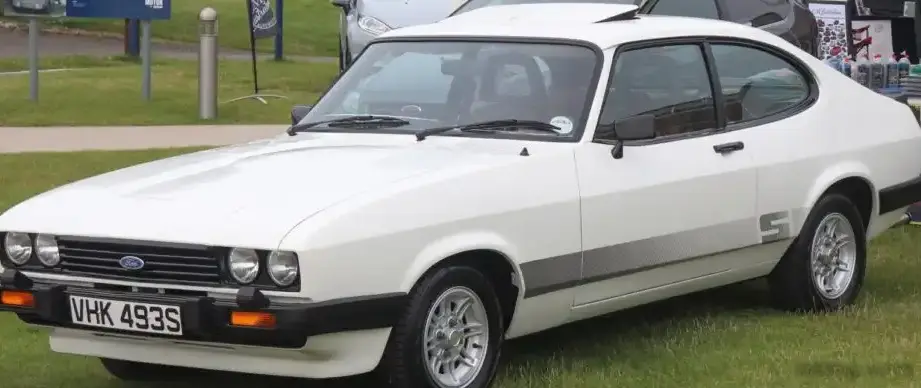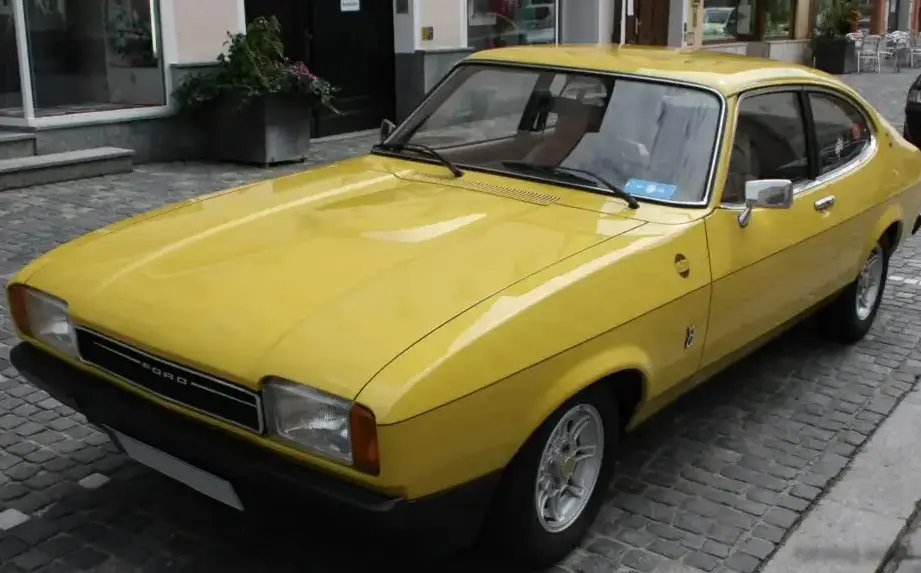
The Ford Capri II 2.9, produced between 1974 and 1977, represented a significant step up in performance and refinement for Ford’s iconic coupe. Falling within the GECP generation, this variant occupied a premium position in the Capri lineup, offering a blend of sporting aesthetics and respectable power. It was designed to appeal to drivers seeking a stylish, comfortable grand tourer, bridging the gap between the more economical models and the ultimate performance of the 3.0-liter versions. The Capri II, launched in 1974, was a substantial redesign of the original Capri, featuring a more aggressive front end, improved interior, and enhanced mechanical components. The 2.9-liter model was a key component of this revised range, offering a compelling alternative to its European rivals.
Technical Specifications
| Brand | Ford |
| Model | Capri |
| Generation | Capri II (GECP) |
| Type (Engine) | 2.9 (138 Hp) |
| Start of Production | 1974 |
| End of Production | 1977 |
| Powertrain Architecture | Internal Combustion Engine |
| Body Type | Coupe |
| Fuel Type | Petrol (Gasoline) |
| Power | 138 Hp |
| Engine Aspiration | Naturally Aspirated |
Powertrain & Engine Architecture
The heart of the Capri II 2.9 was the Ford Essex V6 engine, specifically the 2891cc variant. This engine, designated as the ‘Essex’ family, was a 60-degree V6 known for its relatively smooth operation and decent power output. The 2.9-liter version featured a cast iron block and cylinder heads, with a single overhead camshaft operating two valves per cylinder. Fuel delivery was managed by a Ford-designed carburetor, typically a Zenith-Stromberg 38/38 DGAV, though some later models may have featured a different specification. The engine produced 138 horsepower at 5000 rpm and 198 lb-ft of torque at 3000 rpm. The Capri II 2.9 was typically offered with a four-speed manual transmission, but a three-speed automatic transmission (Ford C3) was also available, though less common. The automatic transmission, while offering convenience, did impact acceleration and fuel economy compared to the manual.
Driving Characteristics
The Capri II 2.9 offered a noticeably more spirited driving experience than the four-cylinder models. While not a true sports car, the V6 provided ample power for comfortable cruising and overtaking. The 2.9-liter engine delivered a broad torque curve, making it flexible in various driving situations. The manual transmission versions offered quicker acceleration and a more engaging driving experience, with a 0-60 mph time of around 8.5 seconds. The automatic transmission, while smooth, added approximately a second to the 0-60 mph time. Handling was generally considered good for a car of its era, with a rear-wheel-drive layout providing a balanced feel. However, the Capri II was a relatively heavy car, and body roll was noticeable during cornering. The steering was power-assisted, making it relatively light and easy to maneuver, but lacked significant feedback.
Equipment & Trim Levels
The Capri II 2.9 typically came well-equipped, reflecting its position as a premium model. Standard features included reclining front seats, a wood-rimmed steering wheel, and a comprehensive instrument panel. Interior trim was typically cloth upholstery, though leather options were available. The dashboard layout was driver-focused, with clearly marked gauges for speed, fuel level, coolant temperature, and oil pressure. Optional extras included a sunroof, air conditioning, and upgraded audio systems. The 2.9-liter model was often identified by specific badging and trim details, such as chrome accents and distinctive wheel covers. The ‘S’ trim level, often paired with the 2.9 engine, added further enhancements, including a more sporty interior and exterior styling.
Chassis & Braking
The Capri II utilized a traditional body-on-frame construction, providing a robust and durable chassis. The front suspension featured independent wishbones and coil springs, while the rear suspension employed a live axle with leaf springs. This setup provided a comfortable ride, but wasn’t particularly sophisticated in terms of handling. Braking on the Capri II 2.9 typically consisted of disc brakes on the front wheels and drum brakes on the rear. Power assistance was standard. While adequate for normal driving, the braking system could feel somewhat underpowered when subjected to repeated hard stops. Stabilizer bars were fitted to both the front and rear axles to reduce body roll, though their effectiveness was limited by the car’s weight and suspension design.
Market Reception & Comparison
The Capri II 2.9 was generally well-received by automotive critics. It was praised for its stylish design, comfortable interior, and respectable performance. However, some critics noted its relatively high price compared to other coupes in its class. Compared to the Capri II 1.6 and 2.0-liter models, the 2.9 offered a significant performance advantage, but at the cost of increased fuel consumption. The 3.0-liter Capri, while offering even more power, was considerably more expensive and catered to a different segment of the market. The 2.9-liter model provided a good balance between performance, comfort, and price, making it a popular choice for buyers seeking a stylish and capable grand tourer. Fuel economy was reasonable for the time, averaging around 18-22 mpg depending on driving conditions.
Legacy
The Ford Capri II 2.9 has become a sought-after classic car, particularly among enthusiasts of 1970s Ford models. The Essex V6 engine, while not known for its ultimate reliability, is generally durable and relatively easy to maintain. Parts availability is reasonable, though some specific components can be difficult to find. Rust is a common issue with Capri IIs, so finding a well-preserved example is crucial. The 2.9-liter model is often considered a sweet spot in the Capri II range, offering a good blend of performance and usability. Today, the Capri II 2.9 represents a nostalgic reminder of a bygone era of automotive design, and continues to be enjoyed by classic car enthusiasts around the world. Its enduring appeal lies in its combination of style, comfort, and the distinctive sound of the Ford Essex V6 engine.