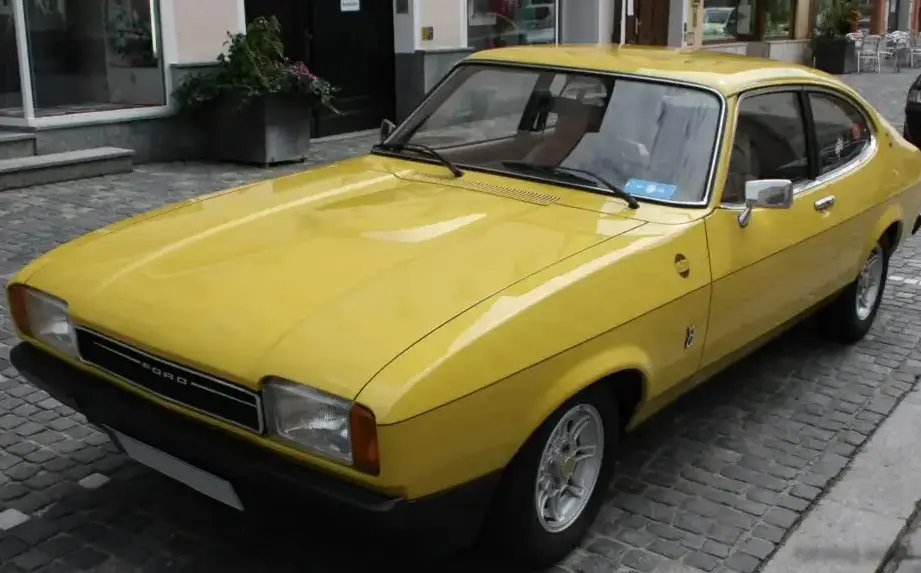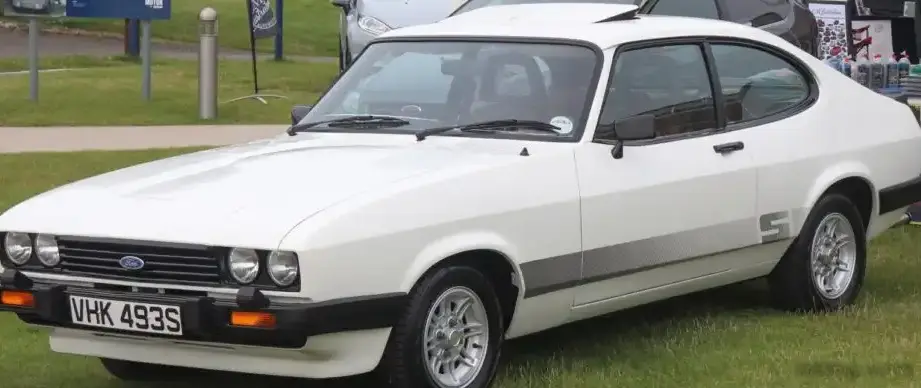
The Ford Capri III 2.8 Super Injection, produced between 1981 and 1985, represented the pinnacle of performance for the Capri model line. Falling within the GECP generation, this variant aimed to deliver a sophisticated grand touring experience, blending respectable power with the Capri’s iconic styling. It was positioned as the flagship model, offering a more refined and powerful alternative to the lower-spec engine options available. The 2.8 Super Injection was Ford’s response to increasing demands for a high-performance coupe that could compete with European rivals like the Opel Manta and BMW 3-Series.
Technical Specifications
| Brand | Ford |
| Model | Capri |
| Generation | Capri III (GECP) |
| Type (Engine) | 2.8 Super Injection (160 Hp) |
| Start of Production | 1981 |
| End of Production | 1985 |
| Powertrain Architecture | Internal Combustion Engine |
| Body Type | Coupe |
| Fuel Type | Petrol (Gasoline) |
| Power | 160 Hp |
| Engine Model/Code | Cologne 60° V6 |
| Engine Aspiration | Naturally Aspirated |
| Engine Oil Capacity | 4.25 l (4.49 US qt | 3.74 UK qt) |
| Coolant Capacity | 7.8 l (8.24 US qt | 6.86 UK qt) |
Powertrain & Engine Architecture
The heart of the Capri III 2.8 Super Injection was the Ford Cologne 60° V6 engine. This engine, designated as the ‘Cologne’ due to its production location, was a robust and well-regarded unit. The 2.8-liter displacement was achieved through a bore of 86.0 mm and a stroke of 75.0 mm. Crucially, the “Super Injection” designation referred to the Bosch K-Jetronic fuel injection system. This mechanical fuel injection system, while complex, offered precise fuel delivery and contributed to the engine’s improved performance and efficiency compared to earlier carbureted versions. The K-Jetronic system utilized a central fuel distributor and a cold-start valve to ensure reliable operation in varying temperatures. The engine featured a single overhead camshaft (SOHC) design operating two valves per cylinder. The compression ratio was 9.0:1. Power output was rated at 160 horsepower at 5500 rpm, with peak torque of 172 lb-ft at 3500 rpm. The engine was typically paired with a four-speed automatic transmission, although a five-speed manual was also available, albeit less common. The automatic transmission was a Ford unit, designed to handle the V6’s torque output, but wasn’t known for particularly quick shifts.
Driving Characteristics
The 2.8 Super Injection Capri offered a noticeably more refined driving experience than its lower-powered siblings. The V6 engine provided ample power for comfortable cruising and brisk acceleration. While not a sports car in the modern sense, the Capri 2.8 Super Injection could achieve 0-60 mph times in around 8.5 seconds, respectable for the early 1980s. The automatic transmission, while smooth, did detract somewhat from the overall performance feel. Gear ratios were geared towards comfortable highway driving, meaning the engine didn’t always feel as responsive in city traffic. The power delivery was relatively linear, with a strong mid-range providing good overtaking capability. Compared to the 2.0-liter or 1.6-liter versions, the 2.8 Super Injection felt significantly more powerful and capable, offering a more satisfying driving experience for those seeking a grand tourer. The manual transmission version, when equipped, offered a more engaging and quicker driving experience, but was less frequently chosen by buyers.
Equipment & Trim Levels
The 2.8 Super Injection was the top-of-the-line Capri, and as such, came equipped with a generous level of standard features. Interior appointments included upgraded cloth upholstery, often in a distinctive pattern, and woodgrain trim on the dashboard and door panels. Power steering was standard, as were electric windows. A sunroof was a common option. The dashboard featured a comprehensive instrument cluster, including a tachometer, oil pressure gauge, and voltmeter. Exterior features included distinctive alloy wheels, a rear spoiler, and body-colored bumpers. Optional extras included leather upholstery, air conditioning, and a premium sound system. The trim level was generally denoted by badging on the exterior and interior, signifying its status as the flagship model.
Chassis & Braking
The Capri III utilized a rear-wheel-drive layout with a MacPherson strut front suspension and a live axle rear suspension. The 2.8 Super Injection benefited from slightly uprated suspension components compared to the lower-spec models, including thicker stabilizer bars, to help manage the increased power and weight. Braking was initially provided by disc brakes on the front wheels and drum brakes on the rear. Later models often featured disc brakes all around, offering improved stopping power. The steering was a recirculating ball system, providing a relatively heavy but precise feel. The chassis, while robust, was showing its age by the early 1980s, and handling could be characterized as competent rather than sporty. The weight distribution, however, was reasonably well-balanced, contributing to predictable handling characteristics.
Market Reception & Comparison
The Capri III 2.8 Super Injection was generally well-received by automotive critics. It was praised for its stylish design, comfortable interior, and strong performance. However, some critics noted the car’s relatively high price compared to rivals and the somewhat dated chassis design. Fuel economy was also a concern, averaging around 18-22 mpg. Compared to the 2.0-liter and 1.6-liter models, the 2.8 Super Injection offered a significant performance upgrade, but at a higher purchase price and running costs. The manual transmission version was favored by enthusiasts for its more engaging driving experience. Reliability was generally good, although the Bosch K-Jetronic fuel injection system could be complex to diagnose and repair. The Capri 2.8 Super Injection appealed to buyers seeking a stylish and comfortable grand tourer with a respectable level of performance.
Legacy
The Ford Capri III 2.8 Super Injection represents a high point in the Capri’s development. While production ended in 1985, the Capri remains a popular classic car, particularly among enthusiasts. The Cologne V6 engine is known for its durability and is still regarded as a capable powerplant. The K-Jetronic fuel injection system, while complex, is a testament to the engineering of the era. Today, well-maintained examples of the 2.8 Super Injection command a premium in the used car market. Parts availability can be a challenge, but a dedicated network of Capri owners and specialists ensures that these cars can be kept on the road. The Capri 2.8 Super Injection is remembered as a stylish and capable coupe that offered a unique blend of performance, comfort, and classic Ford charm.