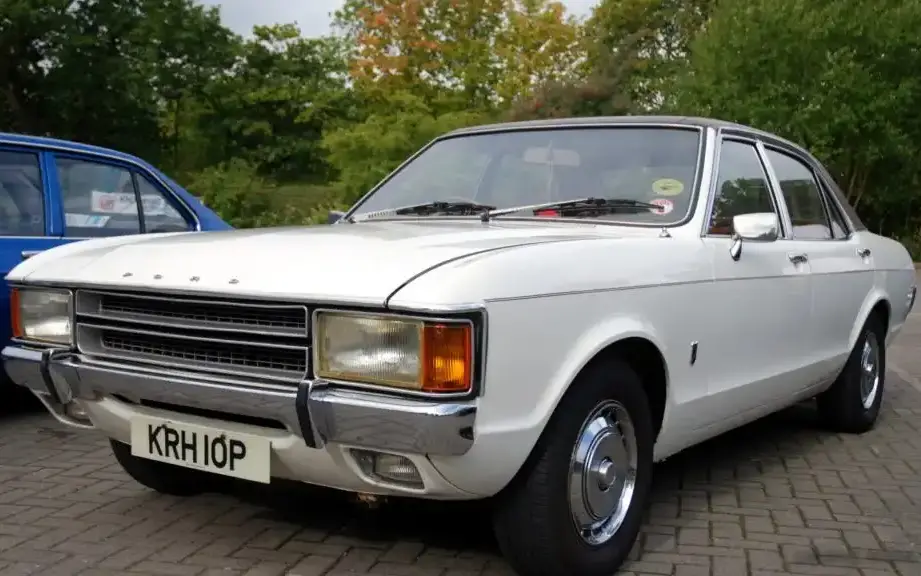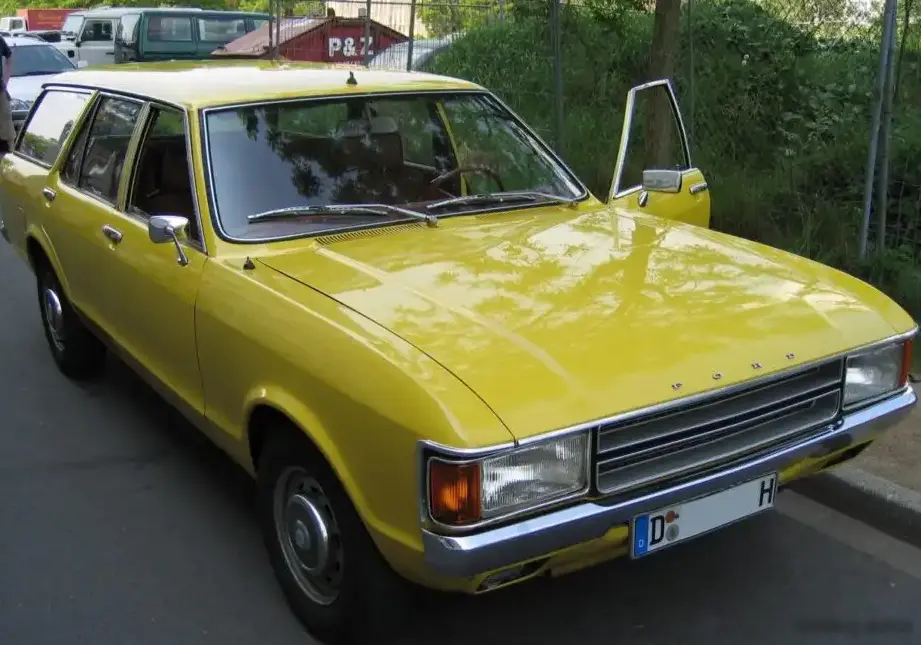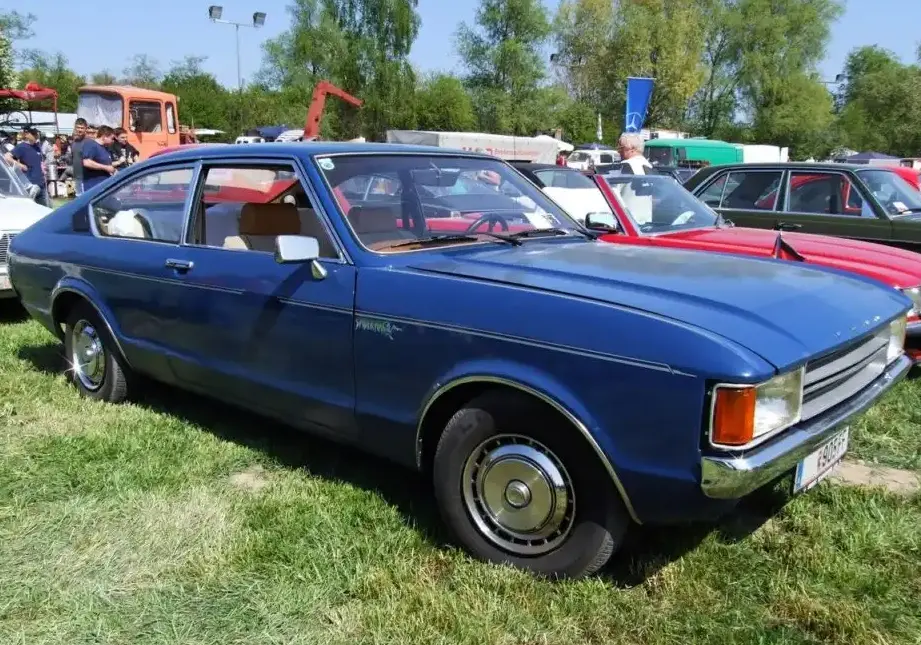
The Ford Consul Coupe (GGCL) 2000, produced between 1972 and 1976, represented a significant attempt by Ford of Britain to offer a stylish and relatively affordable coupe in the European market. Positioned as a more sporting alternative to the traditional Ford saloon cars, the Consul Coupe aimed to attract buyers seeking a blend of practicality and aesthetic appeal. The “GGCL” designation refers to the specific body style and engine configuration – a 2.0-liter, naturally aspirated engine producing 99 horsepower. This variant occupied a middle ground within the Consul Coupe range, offering a balance between performance and economy, and served as a key model in Ford’s lineup during a period of evolving automotive tastes.
Technical Specifications
| Brand | Ford |
| Model | Consul |
| Generation | Consul Coupe (GGCL) |
| Type (Engine) | 2000 (99 Hp) |
| Start of Production | 1972 |
| End of Production | 1976 |
| Powertrain Architecture | Internal Combustion Engine |
| Body Type | Coupe |
| Fuel Type | Petrol (Gasoline) |
| Power | 99 Hp |
| Engine Aspiration | Naturally Aspirated |
Powertrain & Engine Architecture
The heart of the Consul Coupe 2000 was the Essex V4 engine, a 1993cc, naturally aspirated unit. This engine, designated as the 2000E, was a 60-degree V4, notable for its relatively smooth operation compared to some other V4 designs. It featured a single overhead camshaft (SOHC) operating two valves per cylinder. Fuel delivery was managed by a Zenith 36mm downdraft carburetor, a common setup for the era. While not particularly sophisticated by modern standards, this carburetor provided adequate fuel atomization for the engine’s output. The engine’s 99 horsepower at 5,000 rpm and 124 lb-ft of torque at 3,000 rpm were respectable for a car of its size and class in the early 1970s. The engine block was constructed from cast iron, contributing to its durability, while the cylinder head was made of aluminum alloy to reduce weight.
The GGCL variant was typically paired with a three-speed automatic transmission, a Borg-Warner unit. This transmission, while offering convenience, was not known for its particularly quick shifts or sporting feel. It was geared towards comfortable cruising rather than spirited driving. Manual transmission options were available on other Consul Coupe models, offering a more engaging driving experience, but the automatic was a popular choice for buyers prioritizing ease of use.
Driving Characteristics
The Consul Coupe 2000 with the automatic transmission delivered a comfortable, if not exhilarating, driving experience. Acceleration was adequate for everyday driving, with a 0-60 mph time estimated around 13-14 seconds. The automatic transmission’s gear ratios were optimized for fuel economy and smooth cruising, rather than rapid acceleration. The car felt relatively stable at highway speeds, but its handling was somewhat compromised by its relatively soft suspension setup. The steering was power-assisted, making it light and easy to maneuver, but lacked significant feedback. Compared to the manual transmission versions, the automatic felt noticeably slower, particularly during overtaking maneuvers. The manual transmission offered a more direct connection to the engine and allowed drivers to exploit the engine’s power more effectively. However, the automatic appealed to a broader audience seeking a more relaxed driving experience.
Equipment & Trim Levels
The Ford Consul Coupe 2000, in its standard form, offered a reasonable level of equipment for the price. Standard features typically included cloth upholstery, a wood-trimmed dashboard, and a basic AM radio. The interior was generally well-appointed for a car of its era, with a focus on practicality and durability. Optional extras included a vinyl roof, upgraded stereo systems, and power windows. The trim levels were relatively simple, with the 2000 model representing a mid-range offering. Higher-spec versions, often featuring more luxurious interior appointments and additional chrome trim, were also available. The Consul Coupe aimed to provide a comfortable and stylish interior without venturing into the luxury car segment.
Chassis & Braking
The Consul Coupe was based on a traditional body-on-frame construction, utilizing a separate chassis and body. The suspension consisted of independent front suspension with coil springs and a live axle with leaf springs at the rear. This setup provided a comfortable ride, but it wasn’t particularly sophisticated in terms of handling. The braking system featured disc brakes at the front and drum brakes at the rear. While adequate for normal driving conditions, the braking performance wasn’t exceptional, and the lack of rear disc brakes limited its stopping power. The steering was a recirculating ball system, providing light and easy steering but lacking precision. Stabilizer bars were fitted to both the front and rear axles to reduce body roll during cornering, but the car still exhibited noticeable body lean.
Market Reception & Comparison
The Ford Consul Coupe 2000 received mixed reviews from automotive critics. It was generally praised for its stylish design and comfortable ride, but criticized for its relatively modest performance and somewhat dated technology. Compared to other coupes on the market, such as the Opel Manta and the Vauxhall Firenza, the Consul Coupe offered a more refined and comfortable experience, but lacked the sporting pretensions of its rivals. Fuel economy was reasonable for the time, averaging around 22-25 mpg. Reliability was generally good, although the Essex V4 engine was known to be prone to overheating if not properly maintained. The automatic transmission, while convenient, was considered less durable than the manual gearbox. The Consul Coupe 2000 appealed to buyers seeking a stylish and comfortable coupe without the expense or complexity of more premium models.
Legacy
The Ford Consul Coupe, while not a groundbreaking vehicle, holds a significant place in British automotive history. It represented Ford’s attempt to cater to a changing market and offer a more stylish and modern alternative to its traditional saloon cars. The Essex V4 engine, while not without its flaws, proved to be a durable and reliable powerplant when properly maintained. Today, the Consul Coupe is a popular choice among classic car enthusiasts, particularly those seeking a relatively affordable and easy-to-maintain vintage vehicle. The 2000 model, with its automatic transmission, remains a relatively common sight on the classic car market, offering a comfortable and nostalgic driving experience. Parts availability is generally good, although some specific components can be difficult to find. The Consul Coupe’s enduring appeal lies in its combination of style, comfort, and affordability, making it a cherished classic for many car enthusiasts.