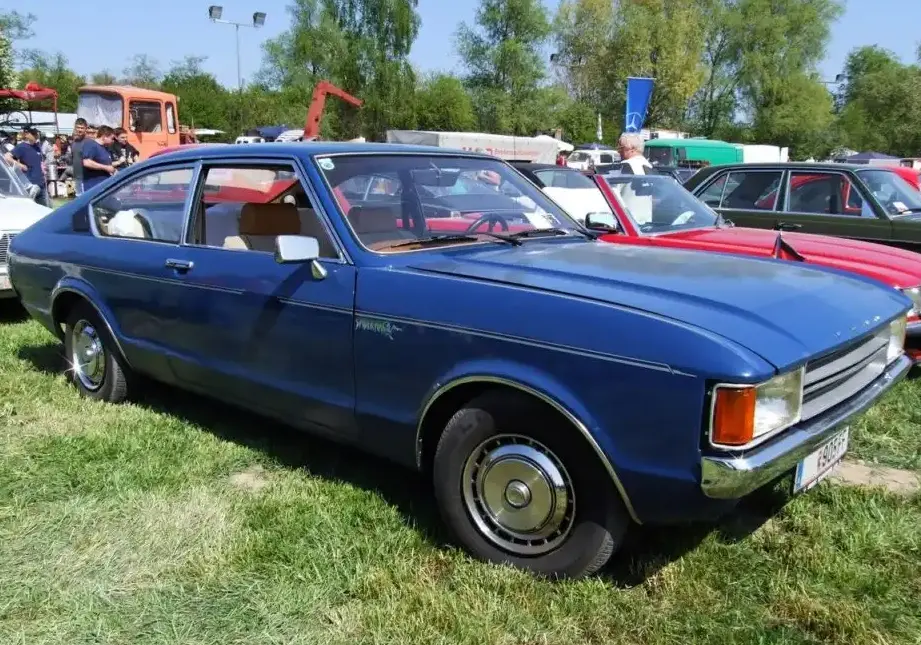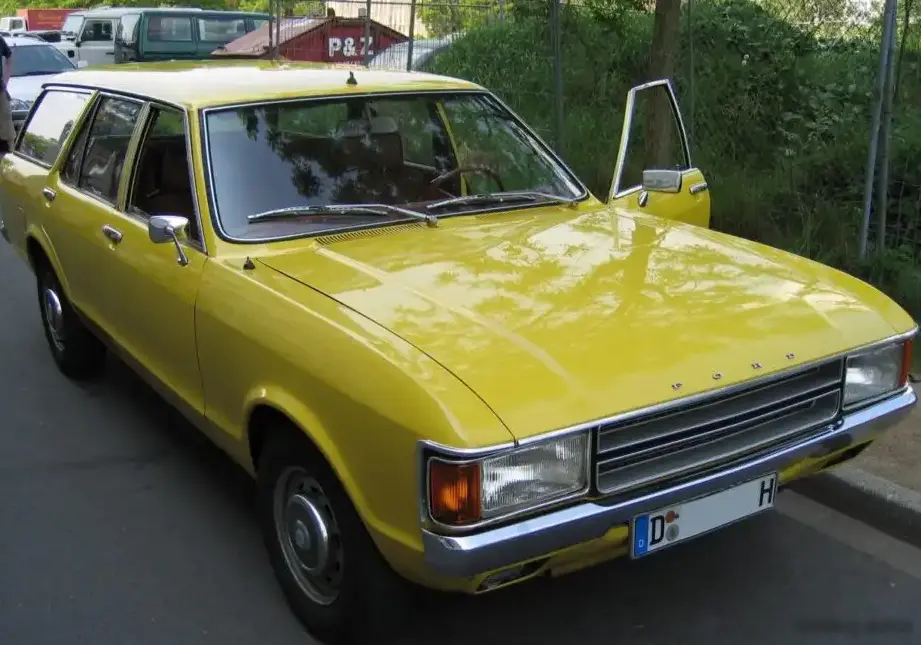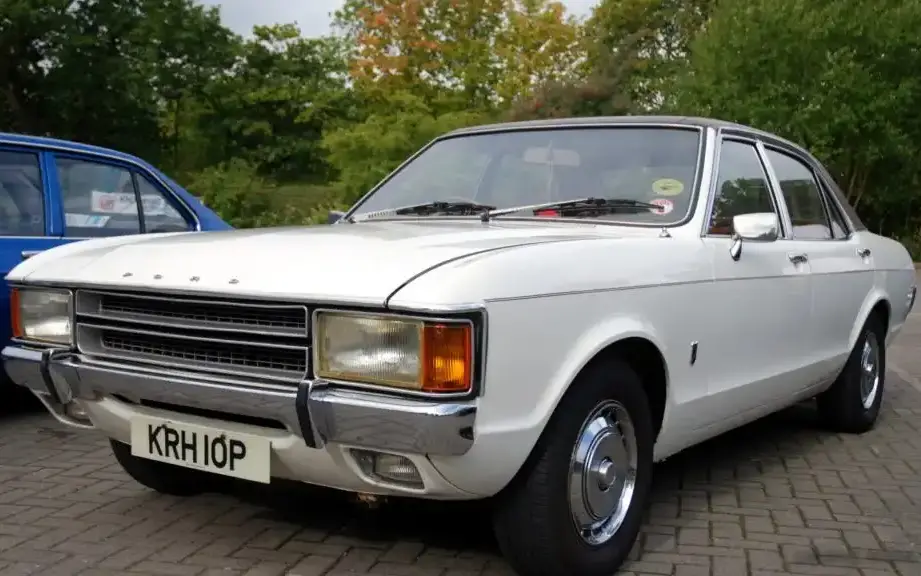
The Ford Consul 2000, specifically the 90 horsepower variant produced between 1974 and 1976 (designated GGFL), represents a pivotal, though often overlooked, chapter in Ford of Britain’s mid-size family car lineage. Positioned as a more upmarket offering than the Ford Cortina, the Consul aimed to provide a blend of comfort, practicality, and a degree of prestige for the British motoring public. This iteration, with its 2.0-liter engine and automatic transmission, occupied a middle ground within the Consul range, offering a more relaxed driving experience compared to the manual transmission options, but lacking the outright performance of later, more powerful versions. The GGFL series was the final iteration of the Consul nameplate, marking the end of a model that had evolved through several generations since its initial introduction in 1951.
Technical Specifications
| Brand | Ford |
| Model | Consul |
| Generation | Consul (GGFL) |
| Type (Engine) | 2000 (90 Hp) |
| Start of Production | 1974 |
| End of Production | 1976 |
| Powertrain Architecture | Internal Combustion Engine |
| Body Type | Sedan |
| Fuel Type | Petrol (Gasoline) |
| Power | 90 Hp |
| Engine Aspiration | Naturally Aspirated |
Powertrain & Engine Architecture
The heart of the Consul 2000 (90 Hp) is the Essex V4 engine, a 1,993 cc (121.5 cubic inch) naturally aspirated unit. This engine, designated as the 2000E, was a significant departure from Ford’s traditional inline-four configurations. The V4 design aimed to offer a smoother, more refined driving experience, and reduced vibration compared to inline engines. The 90 horsepower output was achieved through a single downdraft carburetor, typically a Zenith-Stromberg, and a relatively conservative compression ratio of around 8.9:1. The engine featured a single overhead camshaft operating pushrod-actuated valves.
The automatic transmission paired with this engine was a Ford-sourced three-speed unit, known for its durability but not its responsiveness. It was a torque converter automatic, providing smooth, if somewhat leisurely, gear changes. This transmission was a key differentiator for this trim level, appealing to drivers prioritizing ease of use over sporty performance. The combination of the V4 engine and automatic transmission resulted in a car geared towards comfortable cruising rather than spirited driving.
Driving Characteristics
The driving experience in the Consul 2000 (90 Hp) Automatic is best described as relaxed and comfortable. The automatic transmission, while not particularly quick-shifting, provided a smooth and effortless driving experience, especially in urban traffic. Acceleration was adequate for the time, but noticeably slower than the manual transmission versions or those equipped with the larger 2.0-liter engine producing more horsepower. The gear ratios were optimized for fuel economy and cruising, meaning that overtaking maneuvers required careful planning. The V4 engine, while relatively smooth, did exhibit a characteristic ‘thrum’ that some drivers found noticeable. Handling was competent, but not particularly engaging. The suspension, consisting of independent front suspension with MacPherson struts and a live axle rear suspension, provided a comfortable ride, but body roll was evident during cornering. The power steering, standard on this model, made maneuvering at low speeds easy, but lacked the precision of more modern systems.
Equipment & Trim Levels
The 1974-1976 Consul 2000 (90 Hp) Automatic typically came equipped with a reasonable level of standard features for its time. These included cloth upholstery, a woodgrain-trimmed dashboard, and a four-spoke steering wheel. Central locking and electric windows were not standard, but were available as optional extras. The interior was generally well-appointed, with a focus on practicality and durability. Exterior features included chrome bumpers, brightwork around the windows, and a relatively understated grille. Optional extras included a vinyl roof, a radio, and upgraded interior trim materials. This trim level sat in the middle of the Consul range, offering more comfort and convenience features than the base models, but lacking the luxury appointments of the higher-spec versions.
Chassis & Braking
The Consul 2000 (90 Hp) utilized a body-on-frame construction, a common practice for Ford at the time. The chassis was robust and provided a solid foundation for the car. The front suspension featured MacPherson struts, coil springs, and an anti-roll bar. The rear suspension employed a live axle with leaf springs and shock absorbers. Braking was accomplished via disc brakes on the front wheels and drum brakes on the rear wheels. The braking system was adequate for normal driving conditions, but lacked the stopping power of more modern systems. Power steering was standard, making low-speed maneuvering easier. The tires were typically 175-series radials, providing a reasonable balance of grip and ride comfort.
Market Reception & Comparison
The Ford Consul 2000 (90 Hp) Automatic received mixed reviews from contemporary automotive critics. While praised for its comfortable ride and smooth automatic transmission, it was often criticized for its lack of performance and somewhat dated styling. Compared to its main rival, the Vauxhall Victor, the Consul was generally considered to be more refined, but less exciting to drive. Within the Consul lineup, the 90 hp automatic version was seen as a compromise – offering a more relaxed driving experience than the manual transmission models, but lacking the performance of the higher-output versions. Fuel economy was reasonable for the time, averaging around 20-25 miles per gallon. Reliability was generally good, although the Essex V4 engine was known to be prone to oil leaks if not properly maintained.
Legacy
The Ford Consul 2000 (90 Hp) Automatic, while not a particularly iconic or sought-after classic car, holds a significant place in British automotive history. It represents a transitional period for Ford, bridging the gap between the traditional body-on-frame construction and the more modern unibody designs that would become prevalent in the 1980s. Today, surviving examples are relatively rare, and well-maintained cars are gaining a following among classic car enthusiasts. The Essex V4 engine, while not known for its outright performance, is considered to be a relatively durable and reliable unit when properly maintained. The automatic transmission, while not particularly sophisticated, is also known for its longevity. In the used car market, these Consuls are typically valued for their originality, condition, and historical significance, rather than their performance potential. They offer a nostalgic glimpse into a bygone era of British motoring, and a comfortable, if somewhat leisurely, driving experience.