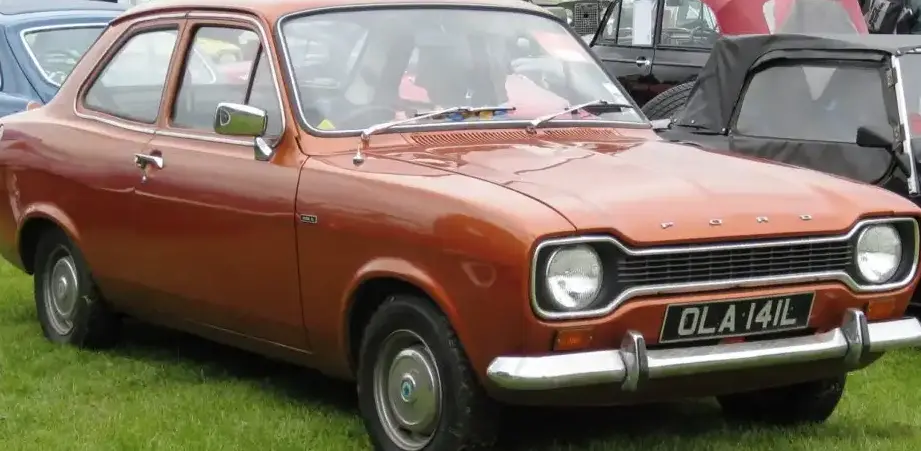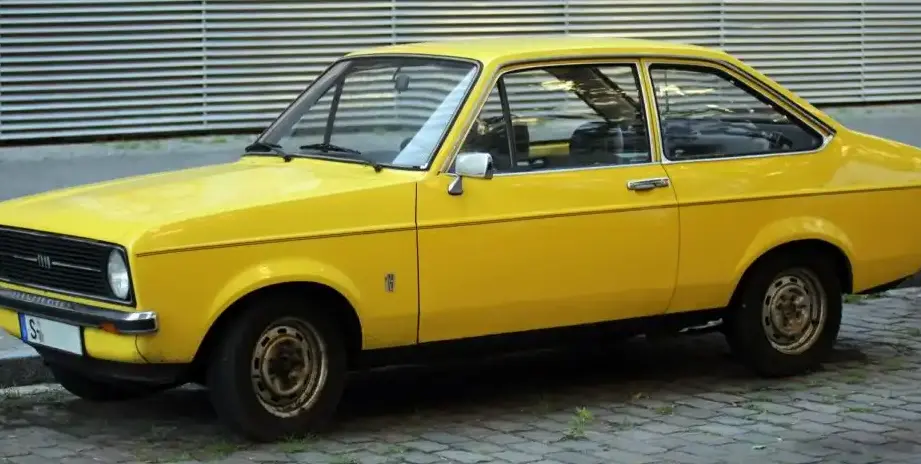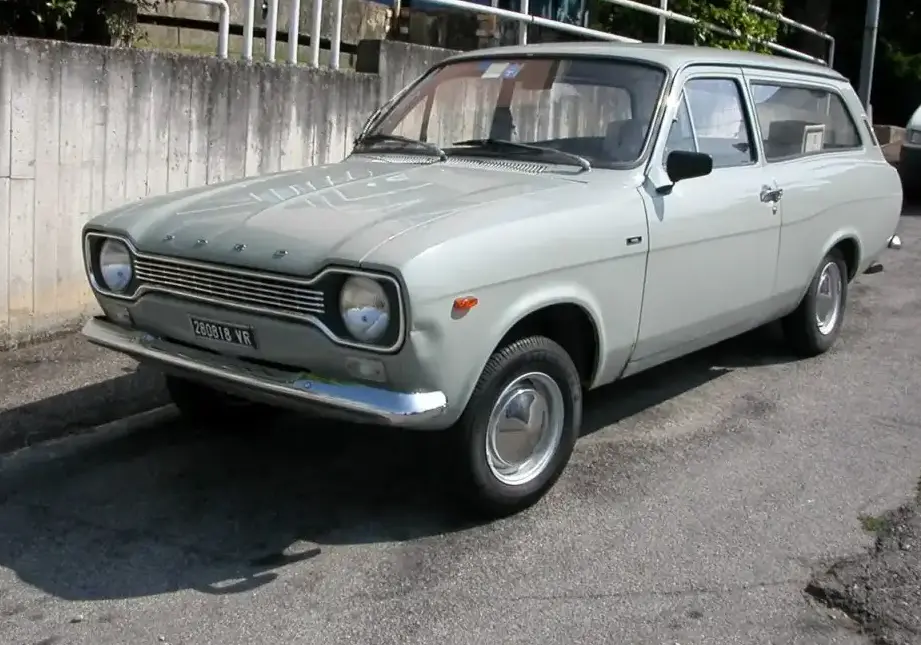
The Ford Escort I Turnier 1300, produced between 1970 and 1976, represents a crucial variant within the first generation of the Ford Escort line. The Turnier, denoting the station wagon (estate) body style, broadened the Escort’s appeal beyond the initially offered saloon and coupe models. This 1300 variant, equipped with a modest 57 horsepower engine, served as the entry point into the Escort range, targeting buyers prioritizing practicality and economy over outright performance. It was a significant vehicle for Ford of Britain, designed to compete in the burgeoning European small family car market, and played a role in establishing the Escort as a popular and versatile vehicle.
Technical Specifications
| Brand | Ford |
| Model | Escort |
| Generation | Escort I Turnier |
| Type (Engine) | 1300 (57 Hp) |
| Start of Production | 1970 |
| End of Production | 1976 |
| Powertrain Architecture | Internal Combustion Engine |
| Body Type | Station Wagon (Estate) |
| Fuel Type | Petrol (Gasoline) |
| Power | 57 Hp |
| Engine Aspiration | Naturally Aspirated |
Powertrain & Engine Architecture
The Escort I Turnier 1300 was powered by the Ford Kent engine, specifically the 1300cc inline-four cylinder unit. This engine, designated as the 1300 pre-crossflow, was a relatively simple and robust design. It featured a cast iron block and cylinder head, with a two-valve per cylinder configuration operated by a single overhead camshaft driven by a timing chain. Fuel delivery was managed by a single downdraft carburetor, typically a Ford 38DG or similar, providing adequate but not particularly sophisticated fuel atomization. The engine’s 57 horsepower output at approximately 6,000 rpm and 74 lb-ft of torque at 3,000 rpm were modest by contemporary standards, but sufficient for the intended purpose of providing economical transportation. The engine’s design prioritized durability and ease of maintenance over high performance. The transmission was a four-speed manual gearbox, a standard feature on this variant. While an automatic transmission was offered on higher-spec Escorts, it wasn’t typically paired with the base 1300 engine due to the performance limitations.
Driving Characteristics
The driving experience of the Escort I Turnier 1300 was characterized by its practicality and ease of use. The 1300cc engine provided adequate power for everyday driving, but acceleration was leisurely, particularly when fully loaded with passengers or cargo. The four-speed manual gearbox offered a reasonably precise shift action, although it wasn’t particularly sporty. The Turnier’s suspension, featuring independent front suspension with MacPherson struts and a leaf-sprung rear axle, provided a comfortable ride, absorbing bumps and imperfections in the road surface effectively. However, the handling was not particularly sharp, with noticeable body roll during cornering. Compared to the more powerful Escort variants, such as the 1600 GT, the 1300 felt significantly slower and less engaging to drive. The gear ratios were optimized for fuel economy and low-speed drivability, rather than outright performance. The steering, while not power-assisted, was relatively light and easy to use, making it maneuverable in urban environments.
Equipment & Trim Levels
The Escort I Turnier 1300 represented the base trim level of the Turnier range. Standard equipment was relatively sparse, reflecting its position as an affordable family car. Typically, it included basic cloth upholstery, vinyl floor covering, and a simple dashboard layout with minimal instrumentation – usually a speedometer, fuel gauge, and temperature gauge. The steering wheel was a basic two-spoke design. Exterior features included unpainted black plastic bumpers and relatively small steel wheels with hubcaps. Optional extras included a radio, heater, and upgraded upholstery. The interior was functional and durable, designed to withstand the rigors of family use. The Turnier’s spacious cargo area, accessible through a large rear tailgate, was a key selling point, offering ample room for luggage, groceries, or other items.
Chassis & Braking
The Escort I Turnier 1300 utilized a body-on-frame construction, a common practice for vehicles of that era. The chassis was relatively simple, prioritizing cost-effectiveness and ease of manufacturing. The front suspension employed MacPherson struts, providing independent wheel control and a comfortable ride. The rear suspension utilized a leaf spring setup, which was robust and capable of handling heavy loads, but less refined than independent rear suspension. The braking system consisted of drum brakes on all four wheels. While adequate for the vehicle’s weight and performance, the drum brakes lacked the stopping power and fade resistance of disc brakes. The steering was a recirculating ball system, providing a relatively direct feel but lacking the precision of more modern steering technologies. The Turnier’s relatively lightweight construction helped to offset the limitations of its braking and suspension systems.
Market Reception & Comparison
The Ford Escort I Turnier 1300 was generally well-received by critics and buyers alike. It was praised for its practicality, affordability, and fuel economy. However, its modest performance and basic equipment levels were also noted. Compared to other small family cars of the time, such as the Vauxhall Viva Estate and the Hillman Avenger Estate, the Escort offered a good balance of features and price. The 1300 engine provided acceptable performance for everyday driving, and the Turnier’s spacious interior and large cargo area made it a practical choice for families. The higher-spec Escort variants, such as the 1600 and 2000 models, offered more power and refinement, but at a higher price point. The 1300 was positioned as the entry-level model, appealing to buyers who prioritized value and practicality over performance and luxury. Fuel economy was a strong point, averaging around 30-35 mpg in typical driving conditions.
Legacy
The Ford Escort I Turnier 1300, while not the most glamorous or powerful variant of the Escort range, played a significant role in establishing the Escort as a popular and versatile family car. The 1300cc Kent engine proved to be remarkably durable and reliable, and many examples are still on the road today. The Turnier body style broadened the Escort’s appeal, attracting buyers who needed the extra space and practicality of a station wagon. In the used car market, the Escort I Turnier 1300 is considered a classic, appreciated by enthusiasts for its simplicity, affordability, and nostalgic charm. Parts availability remains relatively good, making it a viable option for restoration projects. The 1300 engine, while not particularly powerful, is relatively easy to maintain and repair, making it a popular choice for classic car owners. The Escort I Turnier 1300 represents a significant chapter in Ford’s history, and a testament to the enduring appeal of a well-designed and practical family car.