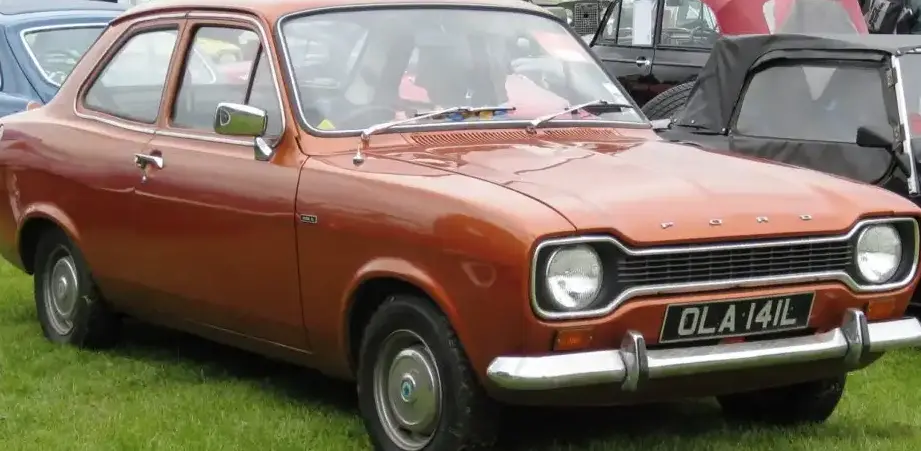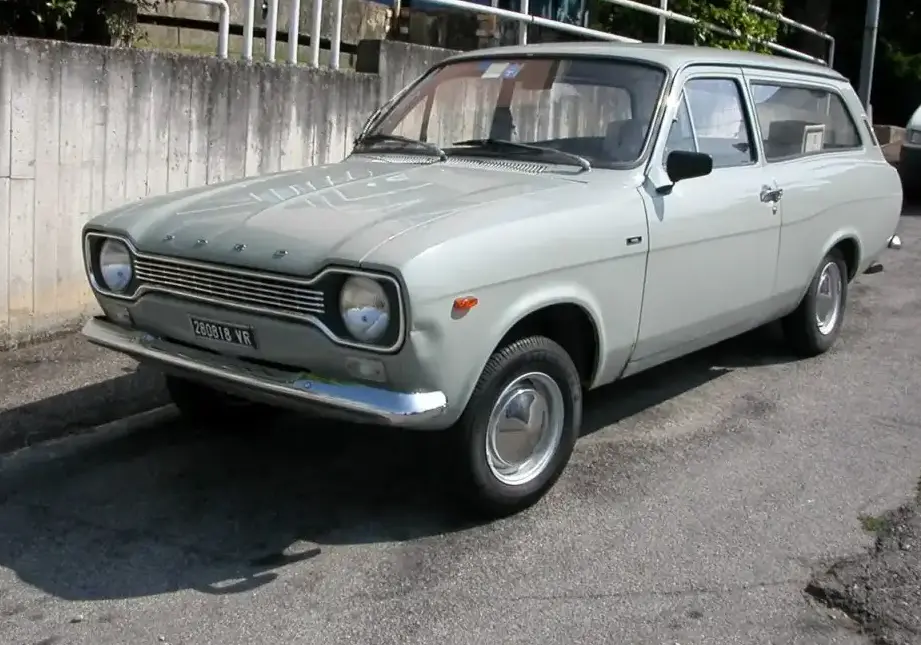
The Ford Escort II 2.0 RS (BATN), produced between 1973 and 1977, represents a performance-oriented variant within the second generation of the popular Ford Escort. Positioned as a sporty upgrade over the standard Escort models, the 2.0 RS aimed to deliver a more engaging driving experience while maintaining the practicality expected of a compact family car. This model, designated internally as ATH, was primarily sold in Europe and represents a significant step up in performance from the base Escort trims. It was a key player in Ford’s strategy to offer a range of Escort models catering to diverse customer needs, from economical transportation to enthusiastic drivers.
Technical Specifications
| Brand | Ford |
| Model | Escort |
| Generation | Escort II (ATH) |
| Type (Engine) | 2.0 RS (BATN) (101 Hp) |
| Start of production | 1973 |
| End of production | 1977 |
| Powertrain Architecture | Internal Combustion engine |
| Body type | Sedan |
| Fuel Type | Petrol (Gasoline) |
| Power | 101 Hp |
| Engine aspiration | Naturally aspirated engine |
Powertrain & Engine Architecture
The heart of the Escort II 2.0 RS is the Ford Pinto-derived 1998cc (2.0L) inline-four cylinder engine, internally designated as the BATN code. This engine featured a cast iron block and an aluminum cylinder head. Unlike the standard Escort engines, the 2.0 RS benefited from a higher compression ratio (typically around 9.5:1) and a revised camshaft profile, contributing to its increased power output. The engine utilized a single overhead camshaft (SOHC) valvetrain with two valves per cylinder. Fuel delivery was managed by a Weber 32/36 DGV carburetor, a common setup for performance cars of the era. While not featuring fuel injection, the Weber carburetor was tuned for improved throttle response and power delivery compared to the standard Escort carburetors.
The 2.0 RS was initially offered with a four-speed manual transmission, but a five-speed manual became available later in production. The transmission was designed to handle the increased torque output of the 2.0L engine. The final drive ratio varied depending on the specific market and options selected, but generally aimed for a balance between acceleration and cruising ability. The engine’s power delivery was relatively linear, with peak horsepower of 101 hp arriving at around 6000 rpm. Torque figures were approximately 125 lb-ft at 4000 rpm, providing adequate pulling power for everyday driving and spirited performance.
Driving Characteristics
The Escort II 2.0 RS offered a noticeable improvement in driving dynamics compared to the standard Escort models. The increased power and torque, combined with the sport-tuned suspension, resulted in a more engaging and responsive driving experience. While not a true sports car, the 2.0 RS provided a satisfying level of performance for its time. The four-speed manual transmission offered precise shifts, while the optional five-speed provided closer gear ratios for improved acceleration. The car felt nimble and relatively light on its feet, making it enjoyable to drive on winding roads. However, the carburetor could sometimes exhibit a slight flat spot during acceleration, a common characteristic of carbureted engines. Compared to the later Escort RS2000 models, the 2.0 RS offered a more accessible and affordable entry point into performance motoring, though it lacked the ultimate performance of its more potent sibling.
Equipment & Trim Levels
The Escort II 2.0 RS was generally well-equipped for its era, though it wasn’t a luxury vehicle. Standard features typically included a sporty steering wheel, upgraded instrumentation (including a tachometer), and comfortable cloth upholstery. The interior trim was relatively basic but functional. Optional extras included a sunroof, upgraded sound system, and various cosmetic enhancements. The exterior styling was distinguished by a front spoiler, flared wheel arches, and often, a rear spoiler. The 2.0 RS was available in a range of solid and metallic paint colors. The trim level was positioned as a mid-range performance option, bridging the gap between the standard Escort models and the more expensive and focused RS2000.
Chassis & Braking
The Escort II 2.0 RS utilized a MacPherson strut front suspension and a leaf spring rear suspension. The suspension was tuned for improved handling and ride comfort compared to the standard Escort. The front stabilizer bar was thicker than that found on lower-spec models, reducing body roll during cornering. Braking was initially provided by disc brakes on the front wheels and drum brakes on the rear wheels. Later models often featured disc brakes all around, offering improved stopping power. The steering was a rack-and-pinion system, providing precise and responsive steering feel. The chassis was reinforced in key areas to handle the increased power and stresses of performance driving.
Market Reception & Comparison
The Escort II 2.0 RS was generally well-received by automotive critics and enthusiasts. It was praised for its lively performance, engaging handling, and affordability. Compared to other performance cars of the era, such as the Vauxhall/Opel Magnum and the Ford Capri, the Escort 2.0 RS offered a more compact and nimble driving experience. Fuel economy was reasonable for a performance car of the 1970s, averaging around 25-30 mpg. Reliability was generally good, though the carburetor required periodic adjustment and maintenance. Compared to the later Escort RS2000, the 2.0 RS offered a more accessible price point but lacked the ultimate performance and refinement of the 2000.
Legacy
The Ford Escort II 2.0 RS (BATN) holds a respected place in automotive history as a capable and enjoyable performance car of the 1970s. The BATN engine, while not particularly sophisticated by modern standards, proved to be relatively durable and reliable. Today, well-maintained examples of the 2.0 RS are sought after by classic car enthusiasts and collectors. Parts availability can be a challenge, but a dedicated network of Escort specialists and suppliers exists. The car’s enduring appeal lies in its combination of classic styling, engaging driving dynamics, and relative affordability. It represents a significant chapter in the evolution of the Ford Escort and a testament to Ford’s commitment to offering performance-oriented vehicles to a wide range of customers. The 2.0 RS remains a popular choice for classic rallying and motorsport events, demonstrating its continued relevance and appeal.