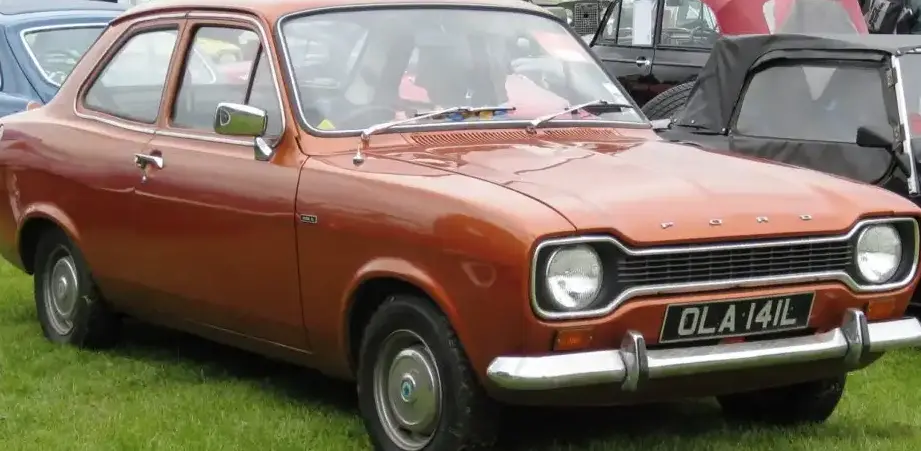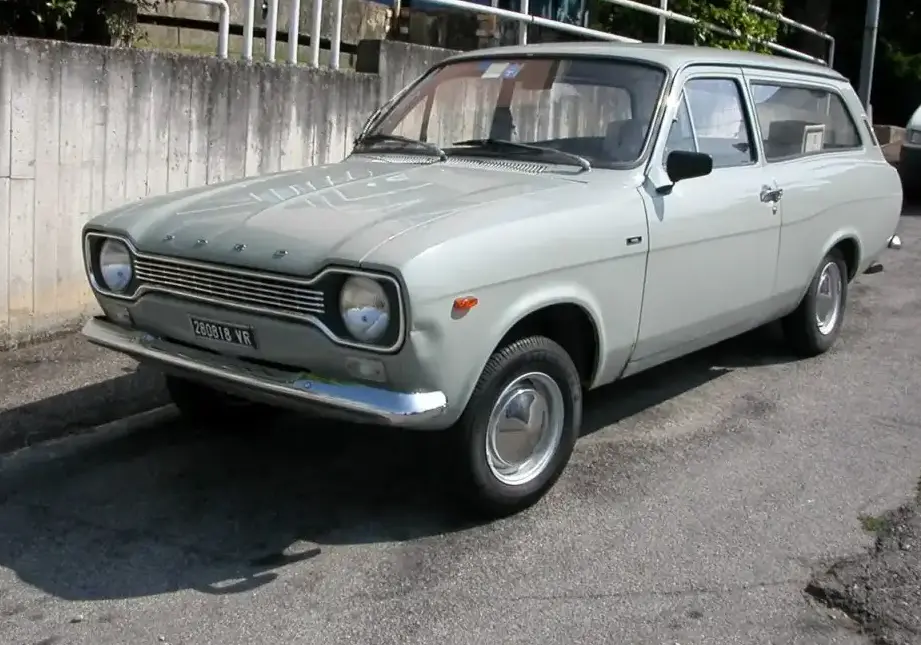
The Ford Escort II GT 1.8i, produced for the US market between 1991 and 1996, represented a performance-oriented variant within the broader Escort II range. Positioned as a sporty compact, it aimed to offer a more engaging driving experience than the base models. This generation of Escort, while sharing a platform with European models, was specifically tailored for American tastes and regulations. The GT 1.8i was a key offering in Ford’s attempt to capture a segment of buyers seeking affordability and a degree of performance in a small package. It sat at the top of the Escort lineup in terms of engine output, offering a noticeable step up from the base 1.9L engine.
Technical Specifications
| Brand | Ford |
| Model | Escort |
| Generation | Escort II (USA) |
| Type | GT 1.8i (128 Hp) |
| Start of production | 1991 |
| End of production | 1996 |
| Powertrain Architecture | Internal Combustion engine |
| Body type | Hatchback |
| Seats | 5 |
| Doors | 3 |
| Fuel Type | Petrol (Gasoline) |
| Maximum speed | 201 km/h (124.9 mph) |
| Weight-to-power ratio | 8.6 kg/Hp, 115.7 Hp/tonne |
| Weight-to-torque ratio | 7 kg/Nm, 142 Nm/tonne |
| Power | 128 Hp @ 6500 rpm |
| Power per litre | 69.6 Hp/l |
| Torque | 157 Nm @ 4500 rpm (115.8 lb.-ft. @ 4500 rpm) |
| Engine layout | Front, Transverse |
| Engine displacement | 1840 cm3 (112.28 cu. in.) |
| Number of cylinders | 4 |
| Engine configuration | Inline |
| Cylinder Bore | 83 mm (3.27 in.) |
| Piston Stroke | 85 mm (3.35 in.) |
| Compression ratio | 9:1 |
| Number of valves per cylinder | 4 |
| Fuel injection system | Multi-port manifold injection |
| Engine aspiration | Naturally aspirated engine |
| Valvetrain | DOHC |
| Engine oil capacity | 3.8 l (4.02 US qt | 3.34 UK qt) |
| Coolant | 5 l (5.28 US qt | 4.4 UK qt) |
| Kerb Weight | 1106 kg (2438.31 lbs) |
| Fuel tank capacity | 50 l (13.21 US gal | 11 UK gal) |
| Length | 4318 mm (170 in) |
| Width | 1694 mm (66.69 in) |
| Height | 1333 mm (52.48 in) |
| Wheelbase | 2500 mm (98.43 in) |
| Front track | 1435 mm (56.5 in) |
| Rear track | 1435 mm (56.5 in) |
| Drivetrain Architecture | The Internal combustion engine (ICE) drives the front wheels of the vehicle. |
| Drive wheel | Front wheel drive |
| Number of gears and type of gearbox | 5 gears, manual transmission |
| Front suspension | Spring Strut |
| Rear suspension | Spring Strut |
| Front brakes | Ventilated discs |
| Rear brakes | Disc |
| Steering type | Steering rack and pinion |
| Power steering | Hydraulic Steering |
| Tires size | 185/60 R15 |
Powertrain & Engine Architecture
The heart of the Escort II GT 1.8i was the Ford Zetec 1.8-liter inline-four cylinder engine. This engine, internally designated as the F8DE, was a significant upgrade over the standard 1.9-liter unit found in lower trims. The Zetec featured a double overhead camshaft (DOHC) valvetrain with four valves per cylinder, contributing to its improved breathing and higher power output. Multi-port fuel injection was employed, delivering precise fuel metering for optimal combustion. The 9:1 compression ratio was a balance between performance and the fuel quality typically available in the US market. The engine produced 128 horsepower at 6500 rpm and 157 Nm (115.8 lb-ft) of torque at 4500 rpm. The engine was transversely mounted, driving the front wheels. The five-speed manual transmission was the only transmission option offered with the GT 1.8i, providing drivers with full control over the engine’s power band.
Driving Characteristics
The GT 1.8i offered a noticeably more spirited driving experience compared to the base Escort models. The 128 hp engine, while not overwhelming, provided sufficient power for brisk acceleration and confident highway cruising. The five-speed manual transmission allowed drivers to keep the engine in its optimal power range. Gear ratios were tuned for a balance of acceleration and fuel economy. The car felt nimble and responsive, thanks to its relatively light weight and front-wheel-drive configuration. Compared to a hypothetical automatic transmission version (which wasn’t offered), the manual gearbox maximized the available power and provided a more engaging driving experience. The GT 1.8i wasn’t a dedicated sports car, but it offered a level of performance that was uncommon in the compact car segment of the early 1990s.
Equipment & Trim Levels
The GT 1.8i was generally well-equipped for its price point. Standard features typically included power steering, a basic audio system, and cloth upholstery. The interior featured a sporty design with a dedicated instrument cluster. Optional extras included air conditioning, a sunroof, and upgraded audio systems. The GT trim also featured some exterior enhancements, such as a rear spoiler and unique wheel covers. The interior trim was generally functional and durable, prioritizing practicality over luxury. The focus was on providing a comfortable and driver-focused environment.
Chassis & Braking
The Escort II GT 1.8i utilized a MacPherson strut front suspension and a semi-independent twist-beam rear suspension. This setup provided a reasonable balance of ride comfort and handling. The front brakes were ventilated discs, offering good stopping power, while the rear brakes were solid discs. The steering was a rack-and-pinion system with hydraulic power assistance, providing precise and responsive steering feel. The suspension was tuned to provide a slightly firmer ride than the base Escort models, enhancing handling and stability. The 185/60 R15 tires provided adequate grip for everyday driving.
Market Reception & Comparison
The Escort II GT 1.8i was generally well-received by automotive critics. It was praised for its sporty handling, responsive engine, and affordable price. However, some critics noted that the interior was somewhat basic and lacked the refinement of some of its Japanese competitors. Compared to other trims in the Escort lineup, the GT 1.8i offered a significant performance advantage. It was a popular choice for buyers who wanted a compact car that was fun to drive. Fuel economy was reasonable for a performance-oriented model, averaging around 25-30 mpg in mixed driving. Reliability was generally good, although some owners reported minor issues with the fuel injection system.
Legacy
The Ford Escort II GT 1.8i has become a sought-after model among enthusiasts. Its combination of affordability, performance, and practicality has made it a popular choice for restoration and modification projects. The Zetec 1.8-liter engine is known for its durability and tunability. Well-maintained examples of the GT 1.8i are becoming increasingly rare, and prices have been steadily rising in the used car market. The car represents a significant chapter in Ford’s history, showcasing the company’s commitment to providing affordable and engaging vehicles to American consumers. The GT 1.8i remains a testament to the enduring appeal of a well-engineered and fun-to-drive compact car.