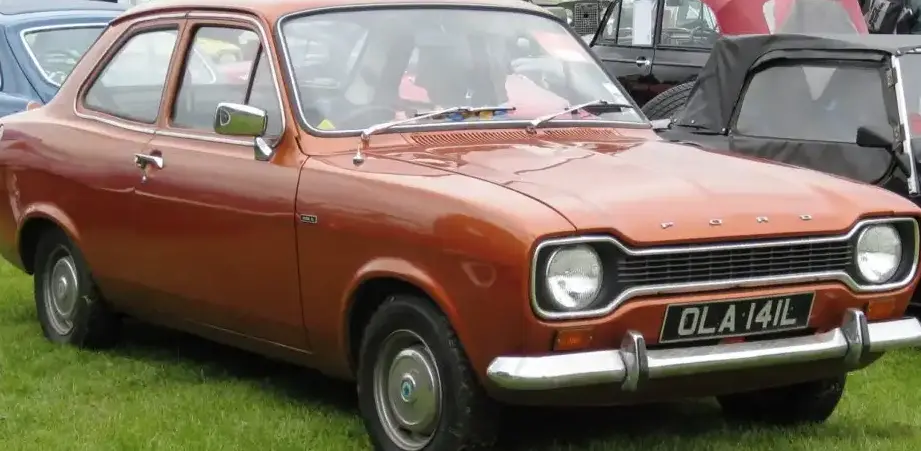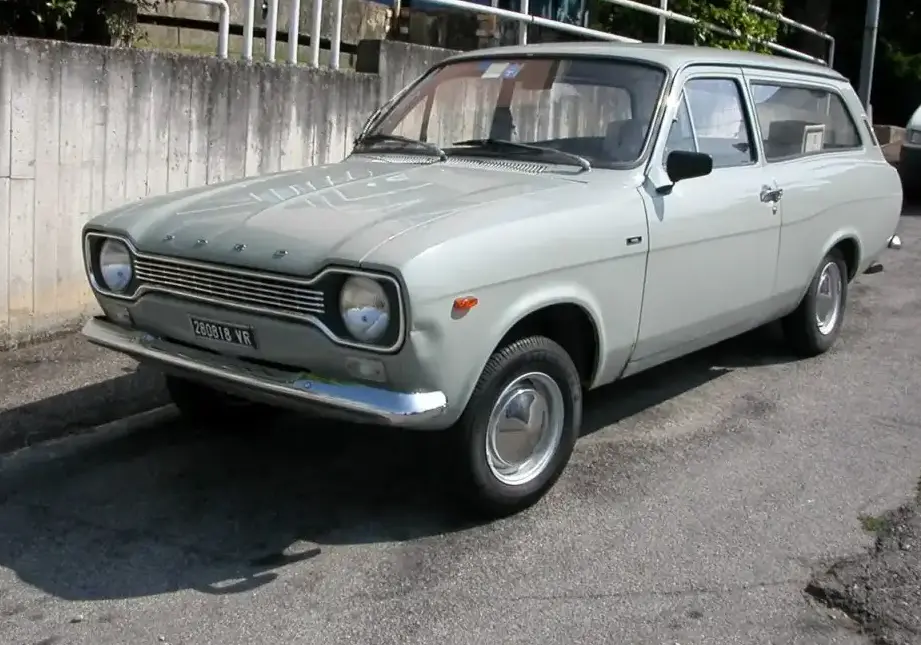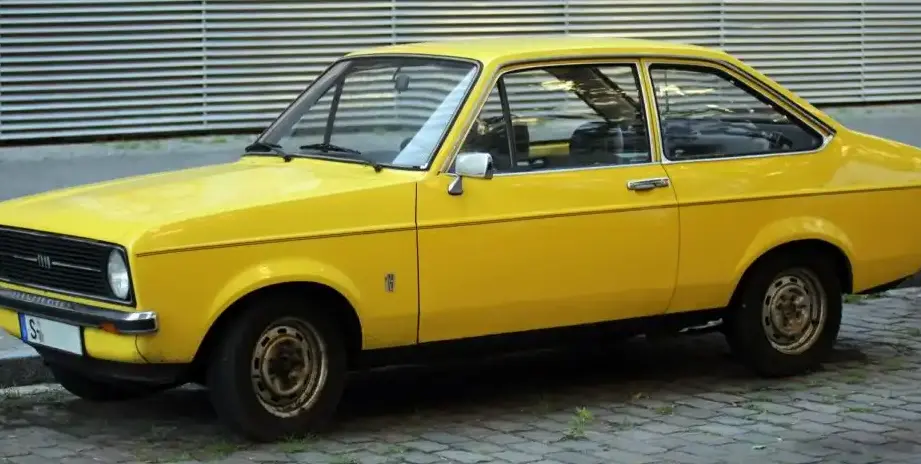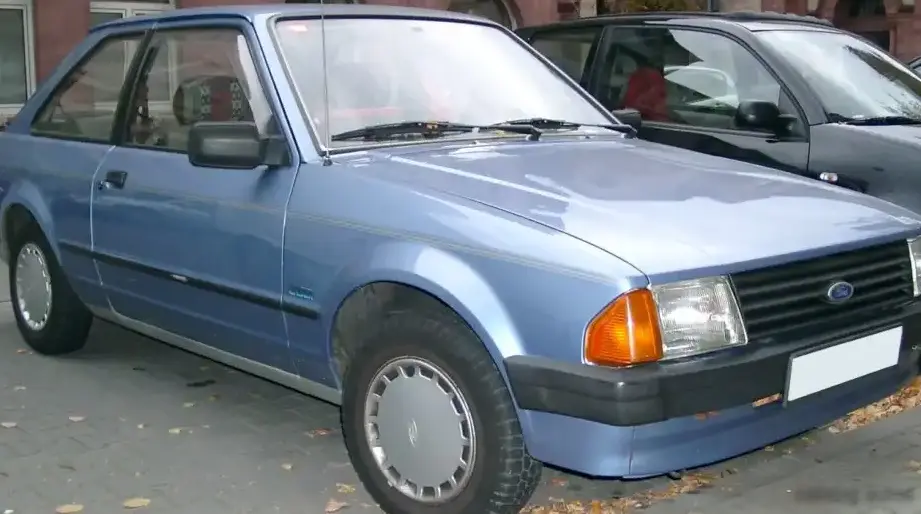
The Ford Escort III, produced between 1980 and 1985, represented a significant evolution of Ford of Europe’s popular compact car. This generation, internally designated GAA, AWA, ABFT, and AVA depending on market and specific configuration, aimed to modernize the Escort while retaining its core appeal as an affordable and practical family vehicle. The 1.6-liter, 79 horsepower variant occupied a crucial position in the Escort III lineup, serving as a mainstream offering balancing fuel economy with acceptable performance for the era. It was positioned as a step up from the base 1.3-liter models, offering more power for highway driving and carrying a full load, but remained more accessible than the higher-performance XR3 and RS1600 trims.
Technical Specifications
| Brand | Ford |
| Model | Escort |
| Generation | Escort III (GAA, AWA, ABFT, AVA) |
| Type (Engine) | 1.6 (79 Hp) |
| Start of Production | 1980 |
| End of Production | 1985 |
| Powertrain Architecture | Internal Combustion Engine |
| Body Type | Hatchback |
| Fuel Type | Petrol (Gasoline) |
| Power | 79 Hp |
| Engine Aspiration | Naturally Aspirated |
| Engine Displacement | 1.6 Liters |
| Transmission | 4-Speed Automatic (typically Ford C3) |
| Weight (approx.) | 950-1050 kg (2094-2315 lbs) depending on trim |
Powertrain & Engine Architecture
The heart of the Escort III 1.6 was the Ford Pinto engine, a naturally aspirated, inline-four cylinder unit. While often referred to simply as the “Pinto” engine, it’s important to note this engine was used in numerous Ford models across Europe and beyond. The 1.6-liter version, producing 79 horsepower (DIN), featured a cast iron block and an aluminum cylinder head. Fuel delivery was managed by a Ford-designed carburetor, typically a Weber or Motorcraft unit, reflecting the technology prevalent in the early 1980s. The engine utilized a single overhead camshaft (SOHC) valvetrain, operating two valves per cylinder.
The automatic transmission typically paired with this engine was the Ford C3, a three-speed automatic gearbox. This transmission was known for its durability and relatively smooth operation, though it wasn’t particularly sophisticated by modern standards. The C3 featured a torque converter for smooth launches and low-speed driving. The gear ratios were optimized for fuel efficiency and everyday usability rather than outright performance. The automatic transmission was a relatively uncommon option on the Escort III, with the majority of 1.6-liter models being equipped with a four-speed manual gearbox.
Driving Characteristics
The Escort III 1.6 with the automatic transmission offered a comfortable, if not particularly exhilarating, driving experience. Acceleration was adequate for merging onto highways and overtaking slower traffic, but it wasn’t a sporty car. The automatic transmission, while convenient, did sap some of the engine’s power, resulting in slower acceleration times compared to the manual transmission versions. The C3 transmission’s shift points were calibrated for economy, meaning the engine often operated at lower RPMs, contributing to reasonable fuel consumption for the time. The steering was light and precise, making the Escort easy to maneuver in urban environments. The suspension, while simple, provided a reasonably comfortable ride, absorbing bumps and imperfections in the road surface effectively. However, the car exhibited noticeable body roll during cornering, a characteristic of its suspension design and relatively high center of gravity.
Equipment & Trim Levels
The 1.6-liter automatic Escort III typically fell into the mid-range of the model lineup. Standard equipment generally included cloth upholstery, a basic instrument cluster with speedometer, fuel gauge, and temperature gauge, and a two-spoke steering wheel. Features like a radio (often a basic AM/FM unit), heated rear window, and front windscreen wipers were commonly included. Higher trim levels, such as the Ghia, offered more luxurious appointments, including upgraded upholstery, woodgrain interior trim, and additional features like central locking and electric windows. Optional extras available for the 1.6 included a sunroof, upgraded sound system, and alloy wheels. The level of equipment varied depending on the specific market (UK, Germany, France, etc.).
Chassis & Braking
The Escort III utilized a relatively conventional chassis design for the era. It featured a front MacPherson strut suspension and a rear leaf spring suspension. The leaf spring setup, while cost-effective, contributed to a somewhat less refined ride compared to independent rear suspension systems. Braking systems varied depending on the market and trim level. Base models typically featured drum brakes on all four wheels, while higher-spec models often included front disc brakes and rear drum brakes. Power steering was not standard on the 1.6, but was available as an option. The Escort III’s chassis was relatively lightweight, contributing to its decent handling characteristics. Stabilizer bars (anti-roll bars) were often fitted to improve cornering stability, particularly on higher trim levels.
Market Reception & Comparison
The Escort III 1.6 automatic was generally well-received by automotive critics as a practical and affordable family car. It was praised for its fuel efficiency, comfortable ride, and ease of driving. However, it was often criticized for its lack of outright performance, particularly when equipped with the automatic transmission. Compared to the manual transmission versions, the automatic was noticeably slower. Against competitors like the Vauxhall Astra, Volkswagen Golf, and Renault 18, the Escort III 1.6 offered a competitive package in terms of price, fuel economy, and reliability. The 1.9 TDI and VR6 versions of the later Escort models offered significantly more performance, but at a higher price point and with increased running costs. The 1.6 automatic appealed to buyers who prioritized comfort and convenience over sporty driving dynamics.
Legacy
The Ford Escort III 1.6 automatic, while not a particularly rare or collectible variant, remains a popular choice among classic car enthusiasts and those seeking an affordable and reliable vintage vehicle. The Pinto engine, despite its reputation for occasional head gasket issues, is generally considered to be a durable and relatively easy-to-maintain unit. Parts availability is generally good, thanks to the Escort’s widespread popularity. The automatic transmission, while not as desirable as the manual gearbox for performance enthusiasts, is known for its robustness. Today, these Escorts are often found in good condition, having been well-maintained by their owners over the years. They represent a nostalgic reminder of a simpler era in automotive history, offering a glimpse into the design and technology of the early 1980s. The 1.6 automatic Escort III continues to be a viable and enjoyable classic car for those seeking a practical and affordable vintage vehicle.