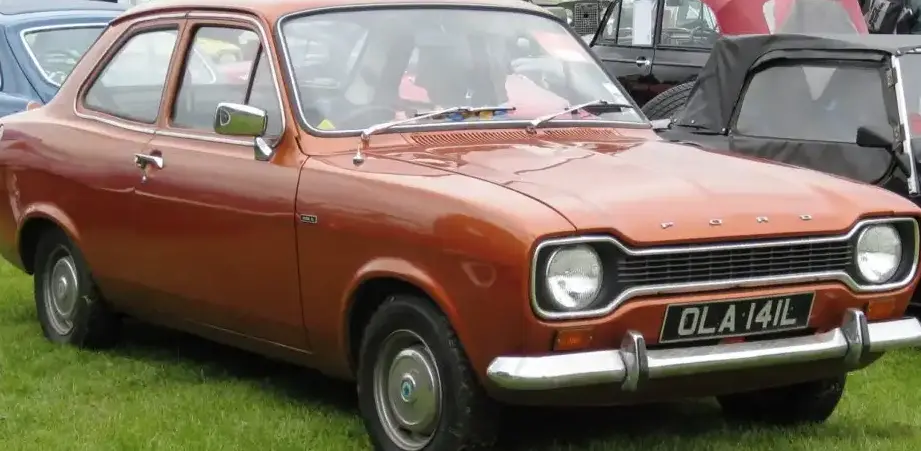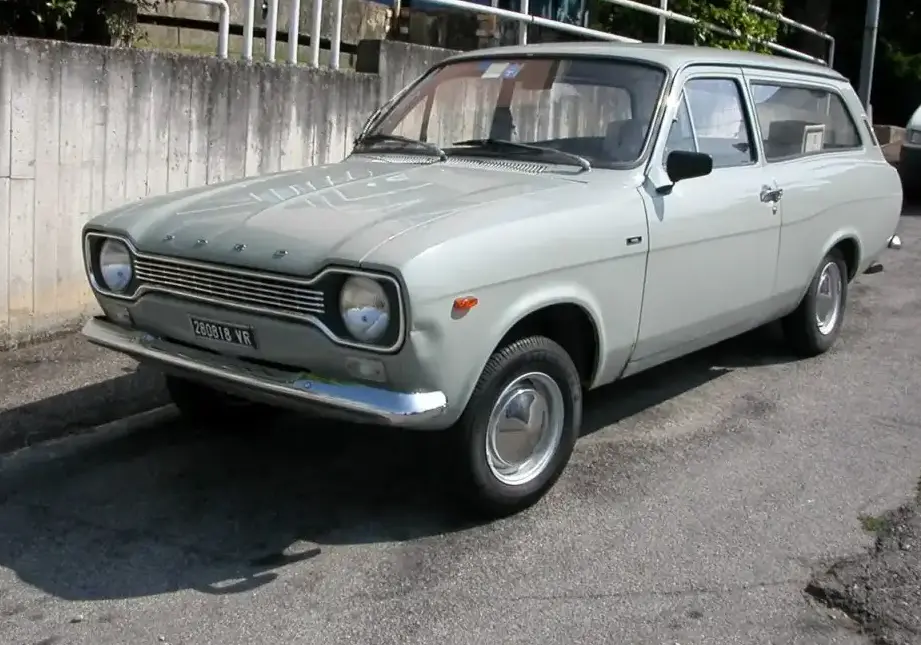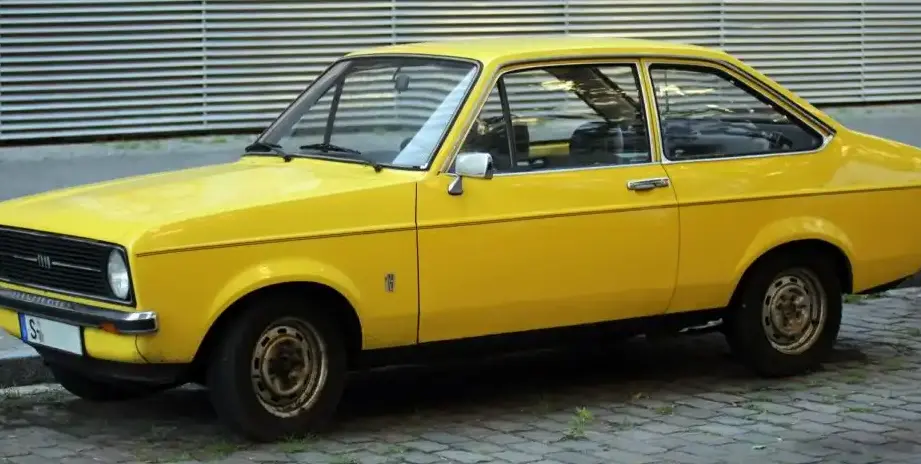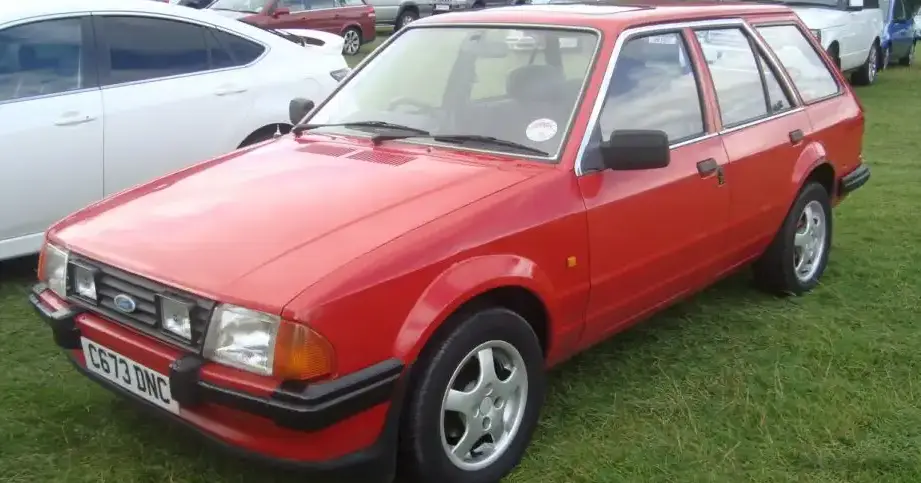
The Ford Escort III Turnier 1.1, produced between 1983 and 1985, represents the entry-level variant of the AWA generation Escort estate (station wagon) range. Positioned as an affordable and practical family vehicle, it served as a crucial part of Ford of Europe’s lineup during a period of increasing competition in the small family car segment. The Turnier body style, introduced with the Escort III, offered increased cargo capacity compared to the saloon and hatchback models, appealing to buyers needing versatility. This 1.1-liter version, while not known for its performance, prioritized fuel economy and low running costs, making it a popular choice for budget-conscious consumers.
Technical Specifications
| Brand | Ford |
| Model | Escort |
| Generation | Escort III Turnier (AWA) |
| Type (Engine) | 1.1 (50 Hp) |
| Start of production | 1983 |
| End of production | 1985 |
| Powertrain Architecture | Internal Combustion engine |
| Body type | Station wagon (estate) |
| Fuel Type | Petrol (Gasoline) |
| Power | 50 Hp |
| Engine aspiration | Naturally aspirated engine |
Powertrain & Engine Architecture
The Escort III Turnier 1.1 was powered by the Ford 1.1-liter inline-four cylinder engine, internally designated as the HSS. This engine, part of the Ford ‘Valencia’ engine family, was a simple, overhead valve (OHV) design. It featured a single barrel carburetor for fuel delivery, a relatively basic system chosen for its cost-effectiveness and ease of maintenance. The engine’s bore and stroke measured 73.4 mm x 79.0 mm, resulting in a displacement of 1098 cc (1.1 liters). The compression ratio was typically around 8.8:1. The engine produced a maximum power output of 50 horsepower (37 kW) at 5,000 rpm and a peak torque of approximately 68 Nm (50 lb-ft) at 3,000 rpm. The engine was paired with a four-speed manual transmission as standard, although a three-speed automatic transmission was offered as an optional extra. The automatic transmission, while providing convenience, further reduced the car’s already modest acceleration.
Driving Characteristics
The driving experience in the Escort III Turnier 1.1 was characterized by its practicality rather than performance. With only 50 horsepower propelling a relatively heavy estate car, acceleration was slow, particularly when fully loaded. The 0-60 mph time was estimated to be around 16-18 seconds. The four-speed manual transmission required frequent gear changes to maintain momentum, especially on inclines. The automatic transmission, while smoother, exacerbated the sluggishness. The suspension, consisting of MacPherson struts at the front and a leaf spring rear suspension, provided a comfortable ride, but handling was somewhat imprecise, especially when cornering. Steering was unassisted, requiring a reasonable amount of effort at low speeds. The overall driving experience was geared towards everyday usability and fuel efficiency, rather than spirited driving.
Equipment & Trim Levels
The Escort III Turnier 1.1 occupied the base trim level within the Turnier range. Standard equipment was fairly basic, reflecting its position as an affordable family car. It typically included cloth upholstery, a basic instrument panel with speedometer and fuel gauge, and manually operated windows and door locks. A heater was standard, but air conditioning was not available on this trim level. The exterior featured black plastic trim and steel wheels with hubcaps. Optional extras included a radio, upgraded upholstery, and a sunroof. The interior was functional and durable, designed to withstand the rigors of family use. The dashboard layout was simple and straightforward, with all controls within easy reach of the driver.
Chassis & Braking
The Escort III Turnier 1.1 utilized a body-on-frame construction, a common practice for Ford at the time. The front suspension employed MacPherson struts with coil springs and an anti-roll bar, while the rear suspension featured a leaf spring setup. This configuration provided a reasonable balance between ride comfort and load-carrying capacity. Braking was initially provided by drum brakes on all four wheels, although some later models were equipped with front disc brakes. The braking system was adequate for normal driving conditions, but lacked the stopping power of more modern vehicles. Steering was a recirculating ball system, offering a relatively direct feel but requiring some effort, particularly at low speeds. The chassis was designed to prioritize durability and affordability, rather than outright handling performance.
Market Reception & Comparison
The Escort III Turnier 1.1 was generally well-received as a practical and affordable family vehicle. Critics acknowledged its fuel efficiency and low running costs, but noted its lack of performance. Compared to other engines in the Escort III range, such as the 1.3-liter and 1.6-liter versions, the 1.1-liter engine offered significantly less power and acceleration. The 1.6-liter models, particularly those with fuel injection, provided a much more engaging driving experience, but at a higher price point. The 1.1-liter version was often compared to rivals such as the Vauxhall Astra Estate and the Volkswagen Golf Estate, both of which offered similar levels of practicality and affordability. Fuel economy was a key selling point for the Escort III Turnier 1.1, typically achieving around 35-40 mpg in mixed driving conditions.
Legacy
The Ford Escort III Turnier 1.1, while not a performance icon, played a significant role in providing affordable transportation for families in Europe during the 1980s. The HSS engine, while simple, proved to be relatively reliable, and many examples are still in use today. The Turnier estate body style proved popular, and the Escort range continued to be a strong seller for Ford for many years. In the used car market, the Escort III Turnier 1.1 is often sought after by enthusiasts looking for a classic and affordable vehicle. Maintenance is generally straightforward, and spare parts are readily available. However, potential buyers should be aware of the potential for rust, particularly in older examples. The 1.1-liter engine, while durable, may require periodic maintenance to ensure optimal performance. Overall, the Escort III Turnier 1.1 remains a fondly remembered and practical classic car.