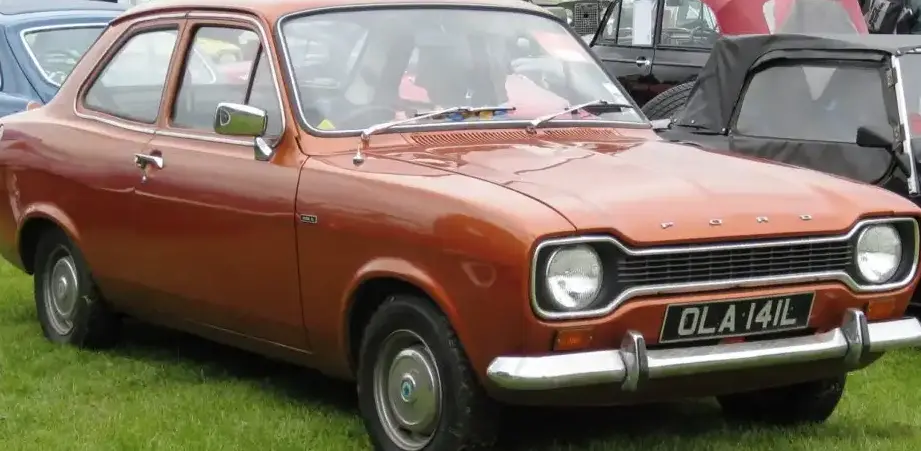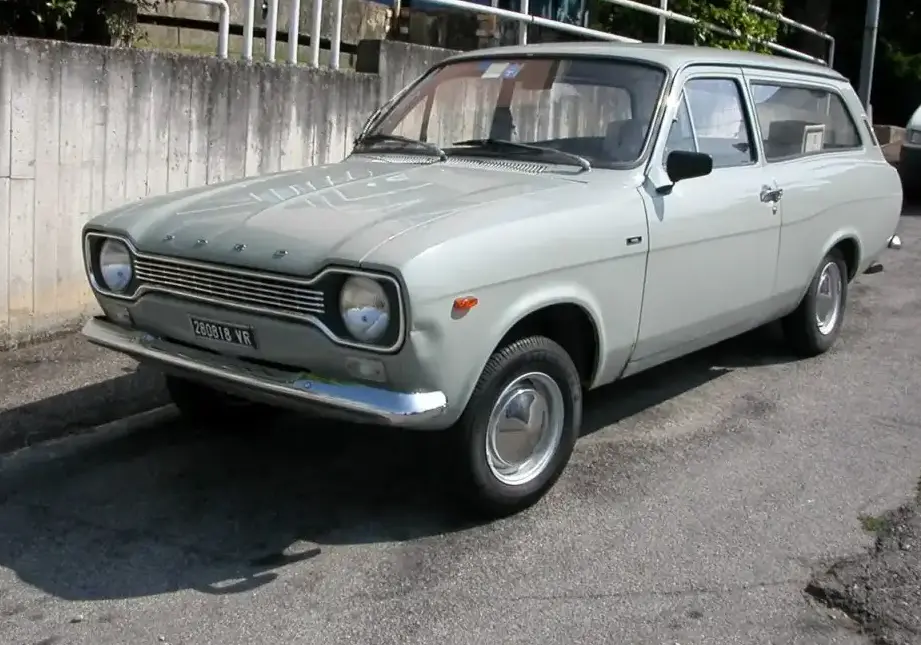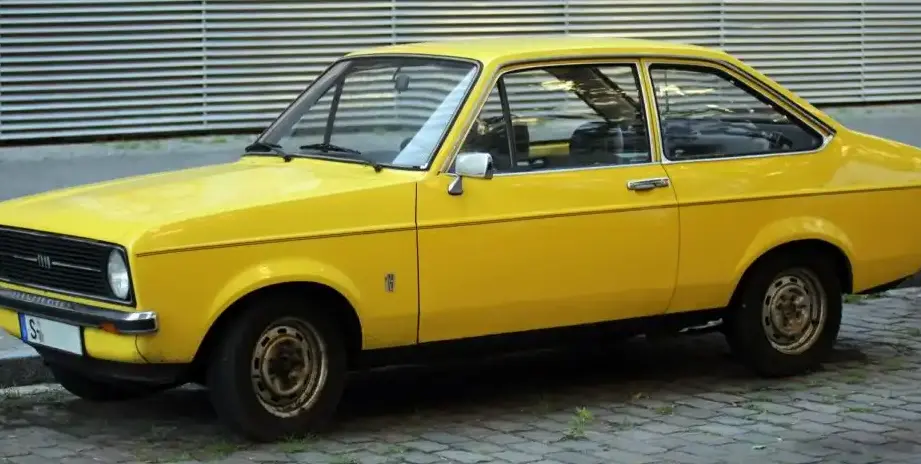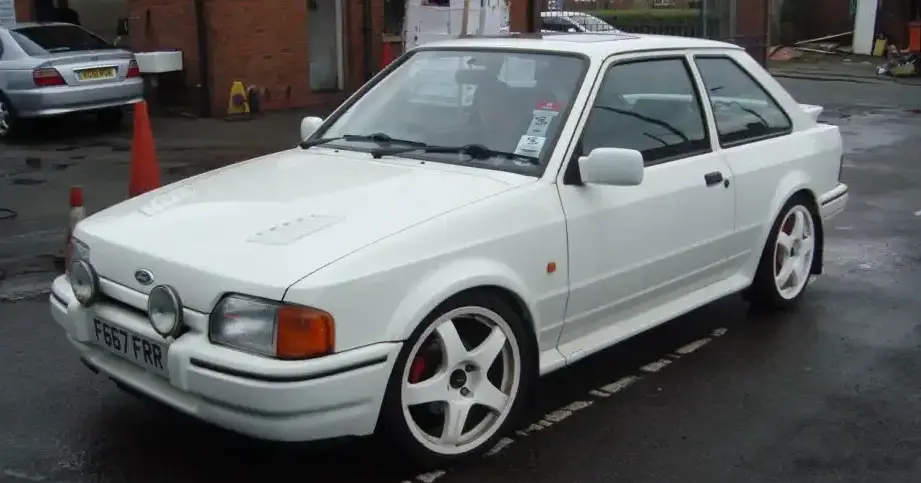
The Ford Escort IV, specifically the 1.3-liter (GAF) variant produced between 1988 and 1990, represented the entry point into the fourth generation of Ford’s globally successful Escort line. This generation, internally designated GAF, AWF, and ABFT, was a significant update to the Escort, offering improved styling, a more refined interior, and updated mechanical components. The 1.3 GAF model served as the base trim, aimed at buyers prioritizing affordability and fuel economy within the compact hatchback segment. It played a crucial role in maintaining the Escort’s position as a popular choice in the European market, where it competed with vehicles like the Opel Astra, Volkswagen Golf, and Peugeot 205.
Technical Specifications
| Brand | Ford |
| Model | Escort |
| Generation | Escort IV (GAF, AWF, ABFT) |
| Type (Engine) | 1.3 (GAF) (63 Hp) |
| Start of Production | 1988 |
| End of Production | 1990 |
| Powertrain Architecture | Internal Combustion Engine |
| Body Type | Hatchback |
| Seats | 5 |
| Fuel Consumption (Urban) | 8 l/100 km (29.4 US mpg) |
| Fuel Consumption (Extra Urban) | 5.5 l/100 km (42.8 US mpg) |
| Fuel Type | Petrol (Gasoline) |
| Maximum Speed | 150 km/h (93.21 mph) |
| Power | 63 Hp |
| Number of Cylinders | 4 |
| Engine Aspiration | Naturally Aspirated |
| Number of Gears | 5 |
| Gearbox Type | Manual Transmission |
Powertrain & Engine Architecture
The heart of the Escort IV 1.3 was the Ford GAF engine, a 1.3-liter inline-four cylinder petrol engine. This engine, while not particularly powerful, was known for its reliability and fuel efficiency. It featured a single overhead camshaft (SOHC) valvetrain operating two valves per cylinder. Fuel delivery was managed by a carburetor, a relatively simple system compared to the fuel injection systems becoming more common at the time. The carburetor provided adequate fuel atomization for the engine’s modest power output. The GAF engine produced 63 horsepower and approximately 84 lb-ft of torque. This engine was a descendant of Ford’s earlier Kent series engines, benefiting from incremental improvements in materials and design. The engine was mated to a five-speed manual transmission, offering a reasonable spread of gears for both urban driving and highway cruising. The transmission was a standard, non-synchronized unit, typical for the era.
Driving Characteristics
The 1.3-liter Escort IV offered a practical, if not exhilarating, driving experience. Acceleration was modest, with a 0-60 mph time estimated around 14-15 seconds. The engine felt strained at higher RPMs, and overtaking maneuvers required careful planning. The five-speed manual transmission helped to keep the engine within its optimal power band, but the lack of power was always noticeable. The gear ratios were fairly well-spaced, providing adequate flexibility for various driving conditions. Compared to the higher-spec Escort models equipped with 1.6-liter or even 1.9-liter engines, the 1.3 felt significantly underpowered. However, the lighter engine weight contributed to nimble handling, making the car enjoyable to drive on winding roads. The steering was light and responsive, providing good feedback to the driver. The suspension, while basic, offered a comfortable ride, absorbing bumps and imperfections in the road surface reasonably well.
Equipment & Trim Levels
The Escort IV 1.3 was positioned as the entry-level model, and its equipment level reflected this. Standard features typically included cloth upholstery, a basic instrument cluster, and manual windows and door locks. The interior was functional and durable, prioritizing practicality over luxury. Optional extras included a radio, upgraded seat fabrics, and a sunroof. The dashboard layout was straightforward and easy to use, with clearly labeled controls. The 1.3 trim generally lacked the more sophisticated features found on higher-spec models, such as central locking, electric windows, and alloy wheels. The focus was on providing a reliable and affordable mode of transportation.
Chassis & Braking
The Escort IV utilized a front-wheel-drive layout with a MacPherson strut front suspension and a twist-beam rear suspension. This configuration provided a good balance of handling and ride comfort. The steering was rack and pinion, offering precise control. Braking on the 1.3 model typically consisted of disc brakes on the front wheels and drum brakes on the rear wheels. The braking system was adequate for the car’s weight and performance, but lacked the stopping power of more advanced systems found on higher-spec models. Stabilizer bars were fitted to both the front and rear axles, helping to reduce body roll during cornering. The chassis was relatively lightweight, contributing to the car’s nimble handling characteristics.
Market Reception & Comparison
The Escort IV 1.3 was generally well-received by critics as a sensible and affordable family car. Its fuel efficiency was a major selling point, particularly in a market increasingly concerned about rising fuel prices. However, its lack of power was often criticized, with reviewers noting that it could feel sluggish when fully loaded or driving uphill. Compared to the 1.6-liter Escort, the 1.3 offered significantly lower performance but also a lower purchase price and better fuel economy. The 1.6-liter model was considered a more versatile option for drivers who frequently carried passengers or drove on motorways. The 1.3’s reliability was also praised, with owners reporting few major mechanical issues. It represented a good value proposition for budget-conscious buyers.
Legacy
The Ford Escort IV 1.3, while not the most powerful or luxurious version of the fourth-generation Escort, remains a fondly remembered car for many. The GAF engine proved to be remarkably durable, and many examples are still on the road today. In the used car market, these Escorts are often sought after by enthusiasts looking for a classic Ford that is relatively easy to maintain and affordable to run. Parts availability is generally good, and the simple mechanical design makes it accessible to amateur mechanics. The 1.3 model represents a significant piece of Ford’s history, embodying the company’s commitment to providing practical and reliable transportation to the masses. While not a performance icon, it served its purpose admirably and continues to hold a place in the hearts of many Escort fans.