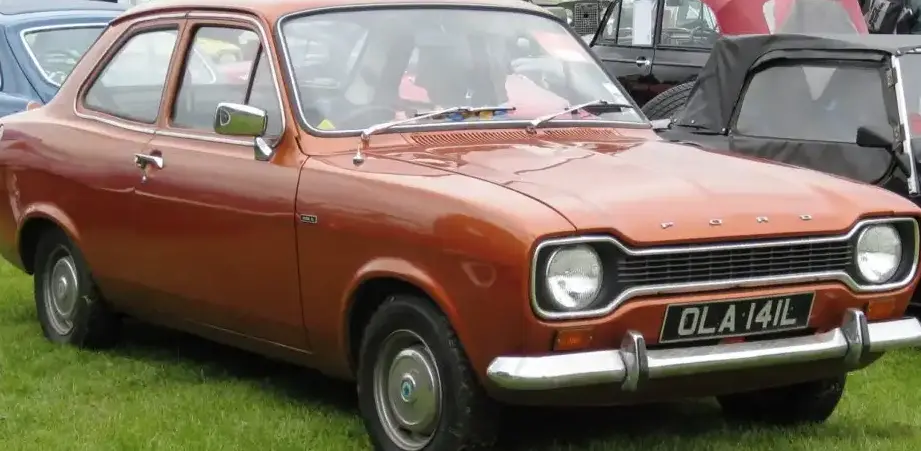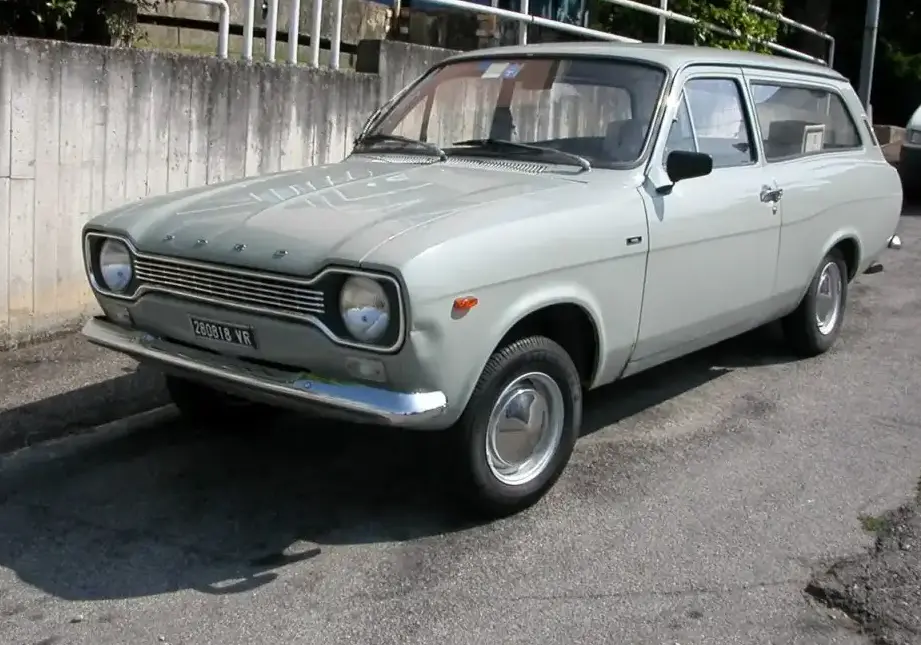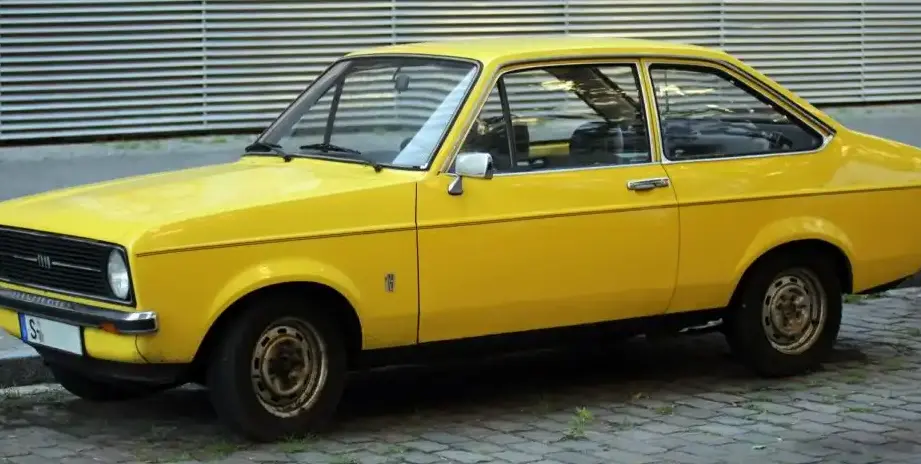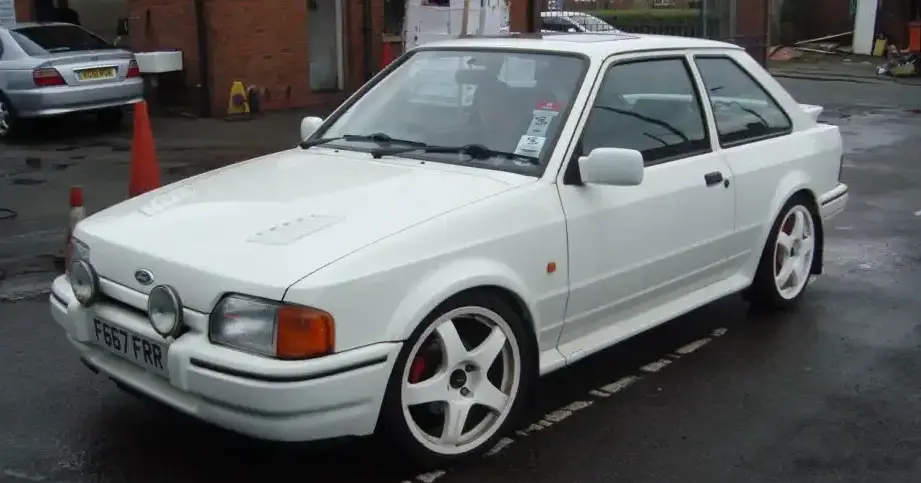
The Ford Escort IV 1.6 XR3i, produced between 1986 and 1989, represented a performance-oriented variant within the fourth generation of the popular Escort range (GAF, AWF, ABFT chassis codes). Positioned as a sporty hatchback, the XR3i aimed to deliver a more engaging driving experience than the standard Escort models, bridging the gap between everyday practicality and accessible performance. It was a key model in Ford of Europe’s lineup during a period of increasing competition in the small family car segment.
Technical Specifications
| Brand | Ford |
| Model | Escort |
| Generation | Escort IV (GAF, AWF, ABFT) |
| Type (Engine) | 1.6 XR3i (105 Hp) |
| Start of Production | 1986 |
| End of Production | 1989 |
| Powertrain Architecture | Internal Combustion Engine |
| Body Type | Hatchback |
| Fuel Type | Petrol (Gasoline) |
| Power | 105 Hp |
| Engine Model/Code | LR2, LRB |
| Engine Aspiration | Naturally Aspirated |
| Engine Oil Capacity | 3.5 l (3.7 US qt | 3.08 UK qt) |
| Coolant Capacity | 7.9 l (8.35 US qt | 6.95 UK qt) |
Powertrain & Engine Architecture
The heart of the Escort XR3i was the 1.6-liter, inline-four cylinder engine, designated as either LR2 or LRB depending on the specific production year and market. This engine was a naturally aspirated unit, benefiting from Ford’s experience in developing responsive and relatively efficient gasoline engines. It featured a cast iron block and an aluminum cylinder head, a common configuration for the era. Fuel delivery was managed by Bosch mechanical fuel injection, a system that provided a good balance between performance and reliability without the complexity of early electronic fuel injection systems. The engine employed a single overhead camshaft (SOHC) valvetrain, operating two valves per cylinder. While not as sophisticated as dual overhead cam designs, the SOHC configuration kept production costs down and offered reasonable performance for the intended market segment.
The XR3i was exclusively offered with a five-speed manual transmission. This transmission was chosen to complement the engine’s sporty character and provide drivers with greater control over the power delivery. The gear ratios were tuned to maximize acceleration and provide a reasonably comfortable cruising experience. The transmission itself was a robust unit, designed to handle the engine’s output and the demands of spirited driving.
Driving Characteristics
The Escort XR3i offered a noticeable step up in performance compared to the standard Escort models. The 105 horsepower engine, while not exceptionally powerful by modern standards, provided brisk acceleration for its time. The car felt lively and responsive, particularly in the mid-range of the rev band. The five-speed manual transmission allowed drivers to keep the engine in its optimal power range, enhancing the driving experience. Handling was a key strength of the XR3i. The suspension was tuned for a firmer ride than the standard Escort, reducing body roll and improving cornering stability. Steering was precise and well-weighted, providing good feedback to the driver. Compared to later, more powerful XR3i variants (such as those with the 1.8-liter engine), the 1.6-liter version offered a more accessible and forgiving driving experience. It was less prone to torque steer and easier to control at the limit.
Equipment & Trim Levels
The XR3i trim level was well-equipped for the mid-1980s. Standard features included a distinctive body kit consisting of a front spoiler, rear spoiler, and side skirts, giving the car a more aggressive appearance. The interior featured sports seats with enhanced bolstering, providing better support during cornering. A leather-wrapped steering wheel and gear knob were also standard. The dashboard featured a comprehensive instrument cluster, including a tachometer. Optional extras included a sunroof, central locking, and upgraded audio systems. The interior trim was typically cloth upholstery, available in a range of colors. The XR3i aimed for a balance between sporty aesthetics and everyday comfort.
Chassis & Braking
The Escort XR3i utilized a MacPherson strut front suspension and a semi-independent twist beam rear suspension. This suspension setup provided a good compromise between ride comfort and handling performance. The front suspension incorporated an anti-roll bar to reduce body roll. Braking was initially provided by disc brakes on the front wheels and drum brakes on the rear wheels. Later models often featured disc brakes all around, offering improved stopping power. The braking system was generally considered adequate for the car’s performance, but lacked the sophistication of more modern systems. The steering was a rack-and-pinion system, providing precise and responsive steering feel.
Market Reception & Comparison
The Ford Escort XR3i was generally well-received by automotive critics. It was praised for its sporty handling, responsive engine, and attractive styling. It was seen as a viable alternative to rivals such as the Volkswagen Golf GTI and the Vauxhall/Opel Astra SR. Compared to the later 1.8-liter XR3i, the 1.6-liter version was often considered a more sensible choice for drivers who prioritized fuel economy and affordability. The 1.8-liter offered more power, but at the expense of increased fuel consumption and a higher purchase price. The 1.6-liter XR3i also offered better reliability than some of the more highly-tuned performance variants. Fuel economy was respectable for the era, averaging around 35-40 miles per gallon.
Legacy
The Escort XR3i, particularly the 1.6-liter version, has become a popular classic car among enthusiasts. The relatively simple engine and robust mechanical components contribute to its long-term reliability. Parts availability is generally good, making it relatively easy to maintain and repair. Today, well-maintained examples of the XR3i are sought after by collectors and enthusiasts who appreciate its classic styling and engaging driving experience. The XR3i played a significant role in establishing the Escort as a sporty and desirable hatchback, paving the way for future performance models. While not a groundbreaking vehicle in terms of technology, the Escort XR3i 1.6 remains a fondly remembered and enjoyable classic from the 1980s.