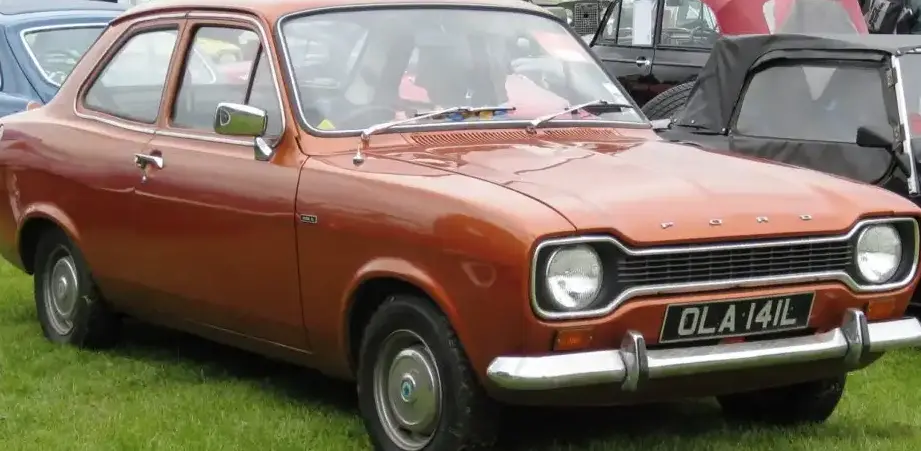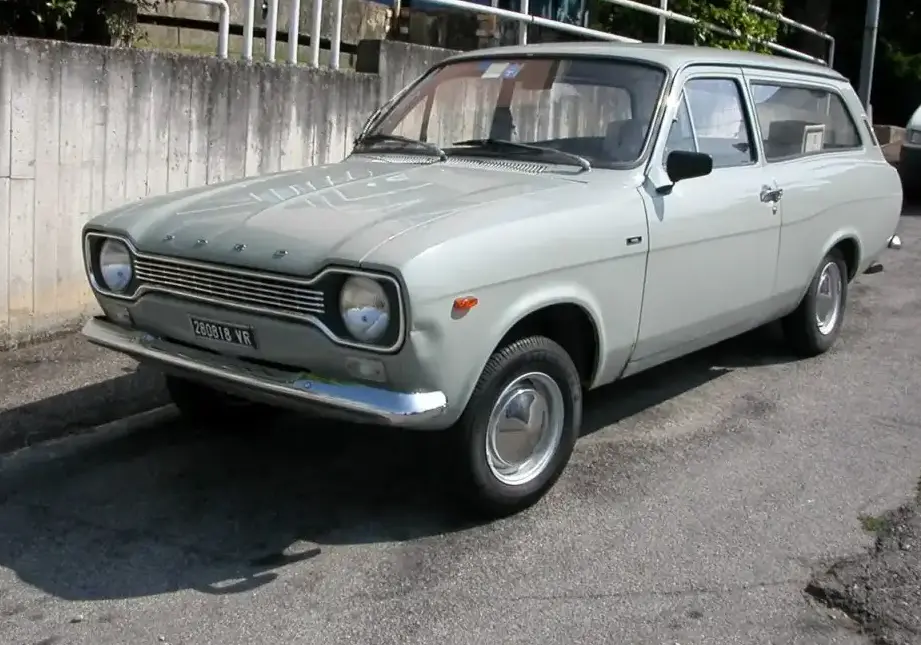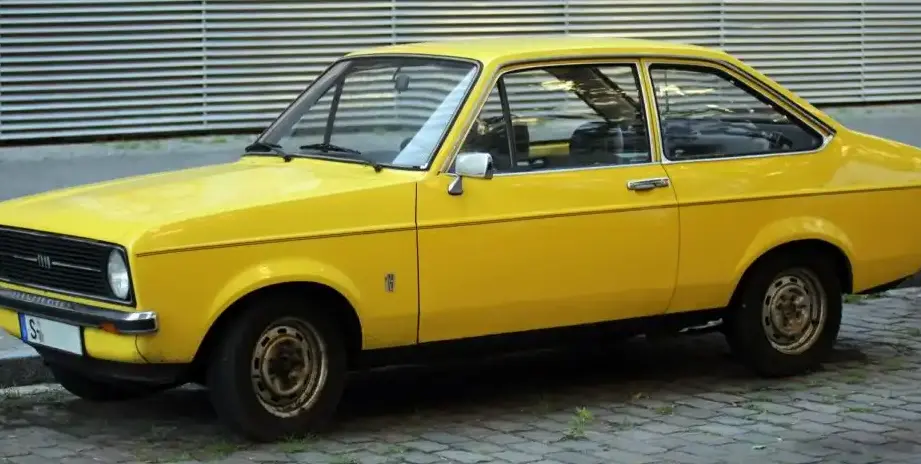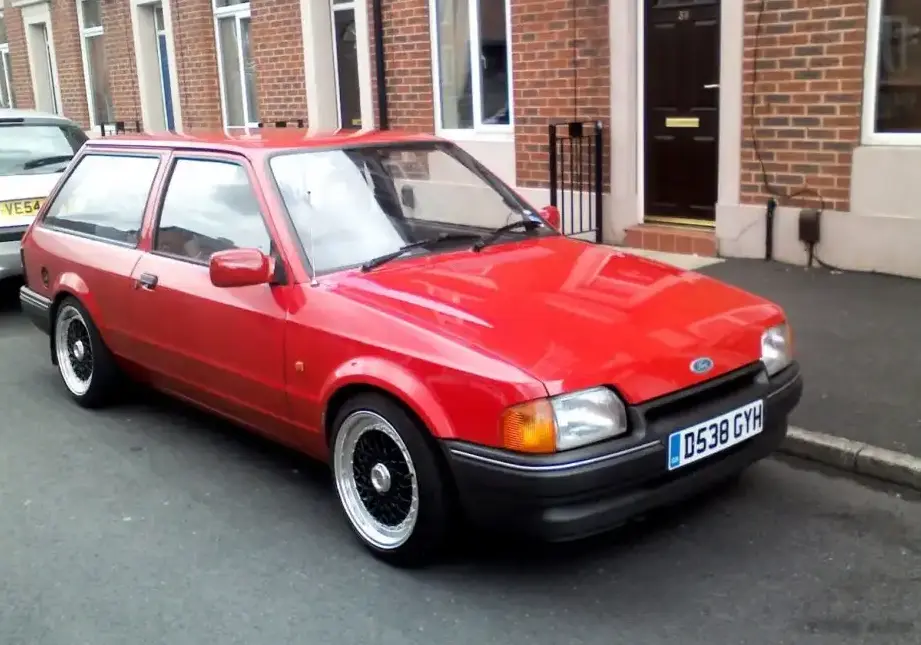
The Ford Escort IV Turnier 1.6, produced between 1986 and 1990, represented a practical and affordable option within the fourth generation Escort range (AWF, AVF). This station wagon, or ‘estate’ as it was commonly known in Europe, was aimed at families and those requiring a versatile vehicle for both everyday transport and carrying larger loads. Positioned as a mid-range offering, the 1.6-liter, 90 horsepower engine paired with either a manual or automatic transmission, provided a balance between fuel economy and usability. The Turnier body style itself was a key selling point, offering significantly increased cargo capacity compared to the saloon and hatchback versions.
Technical Specifications
| Brand | Ford |
| Model | Escort |
| Generation | Escort IV Turnier (AWF, AVF) |
| Type (Engine) | 1.6 (90 Hp) |
| Start of production | 1986 |
| End of production | 1990 |
| Powertrain Architecture | Internal Combustion engine |
| Body type | Station wagon (estate) |
| Fuel Type | Petrol (Gasoline) |
| Power | 90 Hp |
| Engine Model/Code | L4B, LUC |
| Engine aspiration | Naturally aspirated engine |
| Engine oil capacity | 3.5 l (3.7 US qt | 3.08 UK qt) |
| Coolant capacity | 7.9 l (8.35 US qt | 6.95 UK qt) |
Powertrain & Engine Architecture
The heart of the Escort IV Turnier 1.6 was the Ford L4B or LUC engine, a 1.6-liter inline-four cylinder petrol engine. This engine was a relatively simple design, utilizing a single overhead camshaft (SOHC) valvetrain operating two valves per cylinder. Fuel delivery was managed by a Bosch fuel injection system, a significant upgrade from the carburetors used in earlier Escort models. This injection system improved fuel efficiency and reduced emissions, contributing to the vehicle’s compliance with increasingly stringent European regulations. The engine produced 90 horsepower at approximately 5,500 rpm and 138 Nm (102 lb-ft) of torque at 3,500 rpm. The automatic transmission offered with this variant was typically a three-speed unit, designed for smooth, if not particularly sporty, operation. While not known for its blistering acceleration, the automatic transmission provided ease of use, particularly in urban driving conditions.
Driving Characteristics
The Escort IV Turnier 1.6 with the automatic transmission offered a comfortable, albeit unhurried, driving experience. Acceleration from 0 to 60 mph was in the region of 12-13 seconds, making it slower than the manual transmission versions or those equipped with the larger 1.8-liter engine. The three-speed automatic transmission, while providing convenience, resulted in wider gear ratios and a noticeable lack of responsiveness when attempting quick overtaking maneuvers. The power delivery was relatively linear, with peak torque available at a reasonably low engine speed, making it suitable for everyday driving. The suspension, while adequate, was tuned more for comfort than outright handling, resulting in a slightly softer ride quality. Compared to the manual versions, the automatic felt less engaging, but it appealed to drivers prioritizing ease of use over sporty performance.
Equipment & Trim Levels
The Escort IV Turnier 1.6 typically came equipped with a reasonable level of standard features for its time. Interior upholstery was generally cloth, with options for upgraded materials available. The dashboard layout was functional and straightforward, featuring basic instrumentation including a speedometer, fuel gauge, and temperature gauge. Power steering was often included, although it wasn’t always standard. Other common features included a radio (often a basic AM/FM unit), heated rear window, and front windscreen wipers. Optional extras included a sunroof, upgraded sound system, and central locking. Trim levels varied slightly depending on the market, but generally, the 1.6 model sat in the middle of the range, offering more features than the base models but fewer than the higher-specification 1.8 or 2.0-liter versions.
Chassis & Braking
The Escort IV Turnier utilized a MacPherson strut front suspension and a semi-independent twist beam rear suspension. This setup provided a reasonable balance between ride comfort and handling. Braking systems varied depending on the specific model and market. Lower-spec versions often featured drum brakes on the rear wheels, while higher-spec models, and those with the automatic transmission, were more likely to be equipped with disc brakes all around. Front brakes were typically ventilated discs. The steering was rack and pinion, providing reasonably precise control. Stabilizer bars were fitted to both the front and rear axles to reduce body roll during cornering, although their effectiveness was limited by the relatively soft suspension setup.
Market Reception & Comparison
The Ford Escort IV Turnier 1.6 Automatic was generally well-received as a practical and affordable family vehicle. Critics praised its spacious interior, large cargo area, and reasonable fuel economy. However, the automatic transmission was often criticized for its lack of responsiveness and its impact on performance. Compared to the manual transmission versions, the automatic offered less driver engagement and slower acceleration. The 1.8-liter engine provided a noticeable performance boost, but at a higher price point. The 1.6-liter diesel versions offered superior fuel economy, but were significantly slower and noisier. The Turnier, in general, was seen as a more sensible and practical choice than the hatchback or saloon versions, particularly for families.
Legacy
The Ford Escort IV Turnier 1.6, while not a particularly groundbreaking vehicle, remains a popular choice among classic car enthusiasts and those seeking a reliable and affordable used car. The L4B/LUC engine is known for its durability and relative simplicity, making it relatively easy to maintain. However, age-related issues such as corrosion and wear and tear on suspension components are common. The automatic transmission, while generally reliable, can be prone to issues if not properly maintained. Today, these vehicles are often found in good condition, having been well-cared for by their owners. They represent a nostalgic reminder of a simpler era in automotive design and offer a practical and affordable entry point into the world of classic Ford ownership. Parts availability is generally good, although some specific trim pieces may be difficult to find.