Technical Specifications
| Brand | Ford |
| Model | Escort |
| Generation | Escort V Turnier (GAL, AVL) |
| Type (Engine) | 1.3 (60 Hp) |
| Start of Production | 1991 |
| End of Production | 1992 |
| Powertrain Architecture | Internal Combustion Engine |
| Body Type | Station Wagon (Estate) |
| Fuel Type | Petrol (Gasoline) |
| Power | 60 Hp |
| Engine Model/Code | J4B, J6A |
| Engine Aspiration | Naturally Aspirated |
| Engine Oil Capacity | 3.25 l (3.43 US qt | 2.86 UK qt) |
| Coolant Capacity | 7.1 l (7.5 US qt | 6.25 UK qt) |
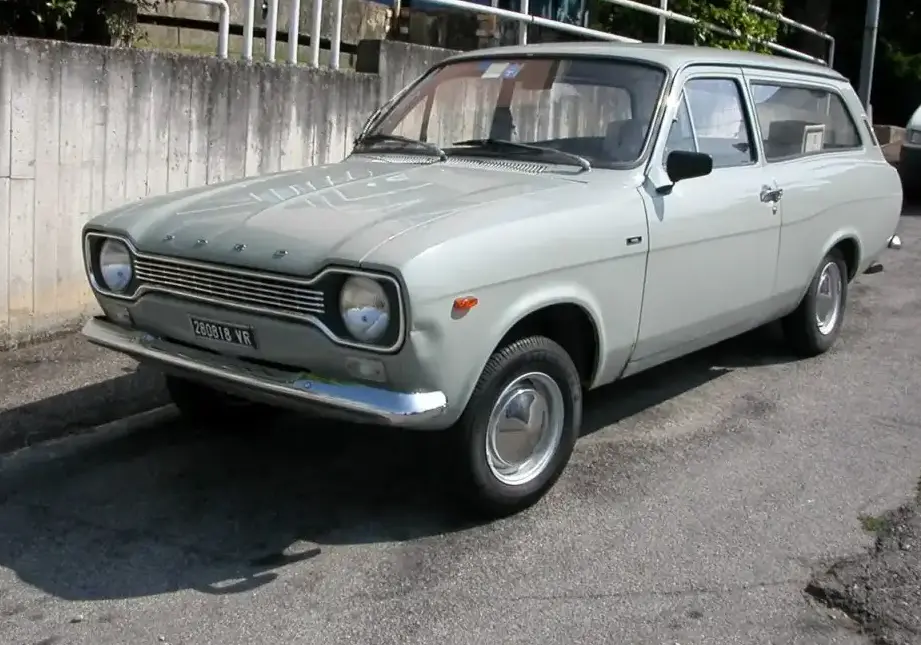
The Ford Escort V Turnier 1.3, produced between 1991 and 1992, represents an entry-level variant within the fifth generation (GAL/AVL) Escort range. This station wagon, known as a “Tournier” in some European markets, offered practical family transport with a focus on affordability and fuel economy. Positioned at the base of the lineup, it served as a more economical alternative to the higher-specification models featuring larger engines and more luxurious appointments. The Escort V generation itself was a significant update for Ford in Europe, building upon the success of previous Escort models and incorporating contemporary design and engineering features. It was a key player in the competitive European small family car segment, aiming to provide a balance of practicality, reliability, and low running costs.
Powertrain & Engine Architecture
The Escort V Turnier 1.3 was powered by the Ford J4B or J6A engine, a 1.3-liter inline-four cylinder petrol engine. This engine was a mainstay of Ford’s European lineup for many years, known for its simplicity and reliability. The J4B and J6A were largely similar, with minor variations depending on the specific market and emissions regulations. The engine featured a single overhead camshaft (SOHC) valvetrain operating two valves per cylinder. Fuel delivery was managed by a carburetor, a relatively basic system compared to the fuel injection found in higher-end Escort variants. This carburetor setup contributed to the engine’s lower power output but also enhanced its simplicity and ease of maintenance. The engine’s block was cast iron, providing durability, while the cylinder head was aluminum, helping to reduce weight. The transmission paired with this engine was typically a four-speed manual, though a three-speed automatic transmission was also available, albeit less common. The automatic transmission was designed for smooth, comfortable operation rather than sporty performance, utilizing a traditional torque converter setup. The engine produced 60 horsepower and approximately 78 lb-ft of torque, characteristics typical of small displacement, naturally aspirated engines of the era.
Driving Characteristics
The 1.3-liter engine in the Escort V Turnier delivered modest performance. With 60 horsepower, acceleration was leisurely, and overtaking required careful planning. Zero to sixty mph times were typically in the 14-16 second range. The car was geared towards practicality and fuel efficiency rather than outright speed. The four-speed manual transmission allowed drivers to make the most of the available power, while the optional automatic transmission prioritized ease of use. The automatic, while convenient, further reduced acceleration and responsiveness. Gear ratios were relatively tall, emphasizing fuel economy at cruising speeds. Handling was typical of front-wheel-drive cars of the era – safe and predictable, but not particularly engaging. The suspension was tuned for comfort, absorbing bumps and imperfections in the road reasonably well. Compared to the 1.6-liter or 1.8-liter Escort Turnier models, the 1.3 felt noticeably slower, especially when fully loaded with passengers and luggage. However, its lighter weight and simpler mechanicals made it more forgiving in everyday driving conditions. The steering, while not particularly direct, provided adequate feedback for most driving situations.
Equipment & Trim Levels
The Escort V Turnier 1.3 was generally equipped with basic features, reflecting its position as the entry-level model. Standard equipment typically included cloth upholstery, a basic instrument cluster, and manual windows and door locks. Central locking and power windows were usually optional extras. The interior trim was functional and durable, prioritizing practicality over luxury. The dashboard layout was straightforward, with clearly labeled controls. Optional extras included a radio/cassette player, upgraded seat fabrics, and a sunroof. The Turnier body style itself added to the practicality, offering a generous cargo area that could be expanded by folding down the rear seats. Trim levels were relatively limited for the 1.3 model, with most variations stemming from optional equipment packages. A common upgrade was the addition of a basic stereo system and upgraded interior trim materials. The exterior typically featured steel wheels with hubcaps, and body-colored bumpers were often an optional extra.
Chassis & Braking
The Escort V Turnier 1.3 utilized a MacPherson strut front suspension and a twist-beam rear suspension. This setup provided a good balance between ride comfort and handling. The front suspension incorporated stabilizer bars to reduce body roll during cornering. Braking was typically accomplished with disc brakes on the front wheels and drum brakes on the rear wheels. This configuration was common for cars in this price range during the early 1990s. The braking system was adequate for normal driving conditions, but lacked the stopping power of the larger-engined Escort models equipped with all-round disc brakes. Steering was rack-and-pinion, providing reasonably precise control. The chassis was relatively lightweight, contributing to the car’s fuel efficiency and manageable handling characteristics. The suspension was designed to prioritize comfort over sporty handling, resulting in a relatively soft ride quality.
Market Reception & Comparison
The Escort V Turnier 1.3 was well-received by buyers seeking an affordable and practical family car. Critics acknowledged its fuel efficiency and reliability, but noted its lack of performance. Compared to the 1.6-liter and 1.8-liter Escort Turnier models, the 1.3 offered significantly less power and refinement. However, it was also considerably cheaper to purchase and operate. The 1.6-liter model provided a noticeable performance boost without a substantial increase in price, making it a popular alternative. The 1.8-liter models, often equipped with fuel injection, offered even greater performance and a more refined driving experience, but at a higher cost. In terms of fuel economy, the 1.3-liter engine was the most efficient in the range, achieving around 35-40 mpg on the combined cycle. It competed directly with other small family wagons like the Vauxhall Astra Estate and the Volkswagen Golf Estate.
Legacy
The Ford Escort V Turnier 1.3, while not a performance icon, remains a fondly remembered car for many owners. The J4B/J6A engine is known for its durability and relatively simple maintenance requirements. Parts availability is generally good, making it a viable option for classic car enthusiasts. Today, these Escort Turniers are relatively affordable to purchase on the used car market, and well-maintained examples can provide reliable and economical transportation. While not highly sought after by collectors, they represent a practical and honest example of 1990s family motoring. The simplicity of the engine and transmission makes it a relatively easy car to work on for DIY mechanics, contributing to its continued appeal. Its reputation for reliability and low running costs has ensured a steady, if modest, following among those seeking a classic and affordable estate car.