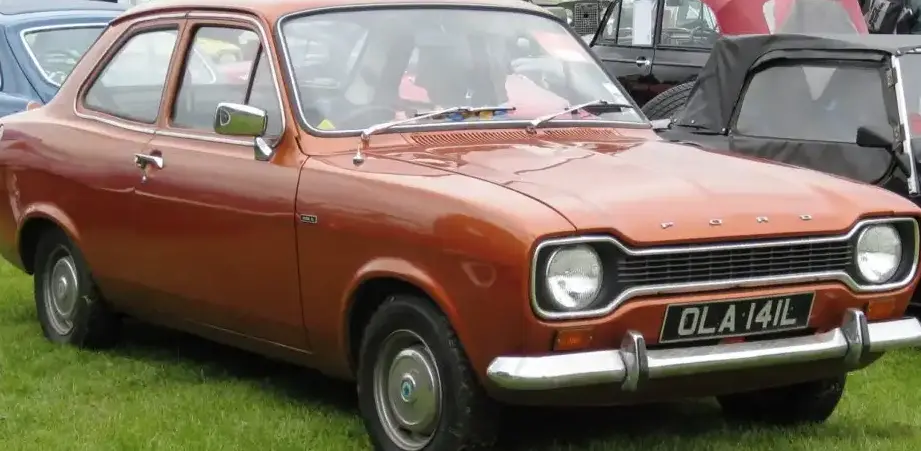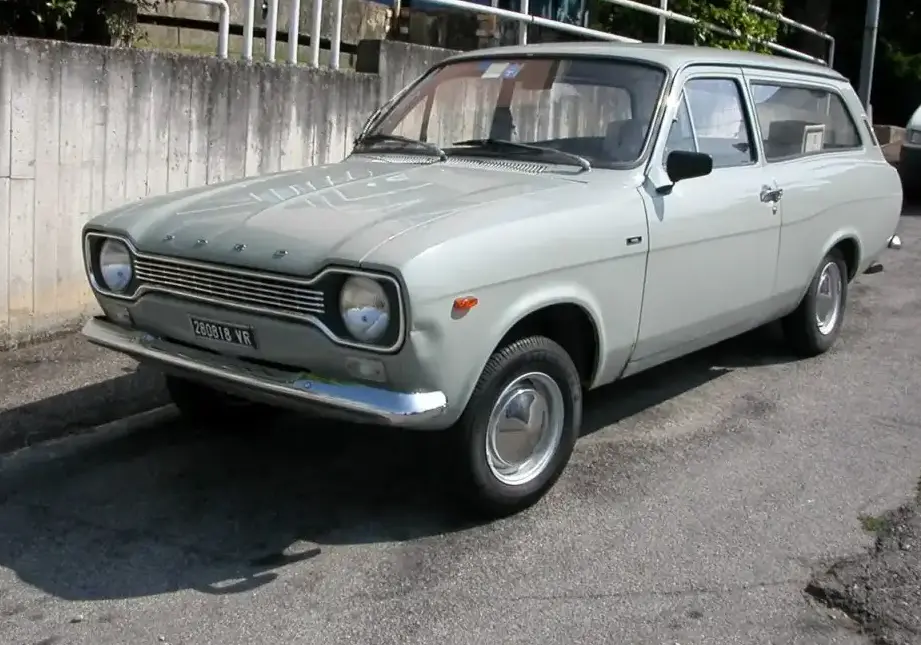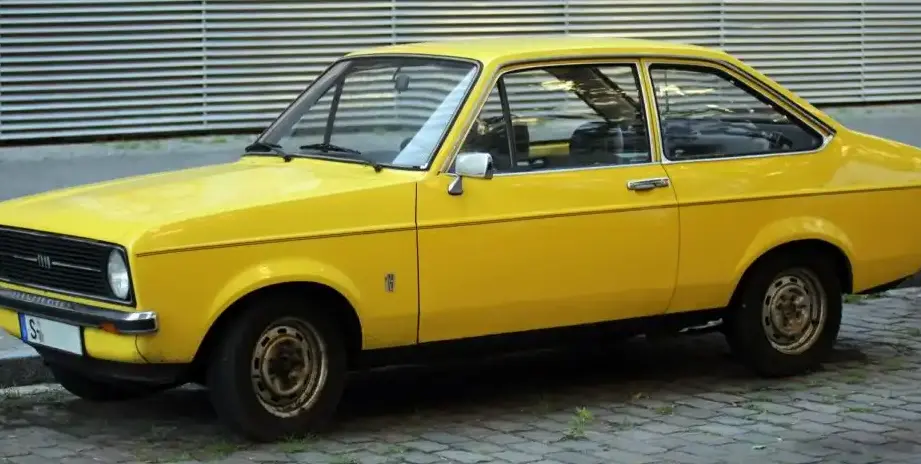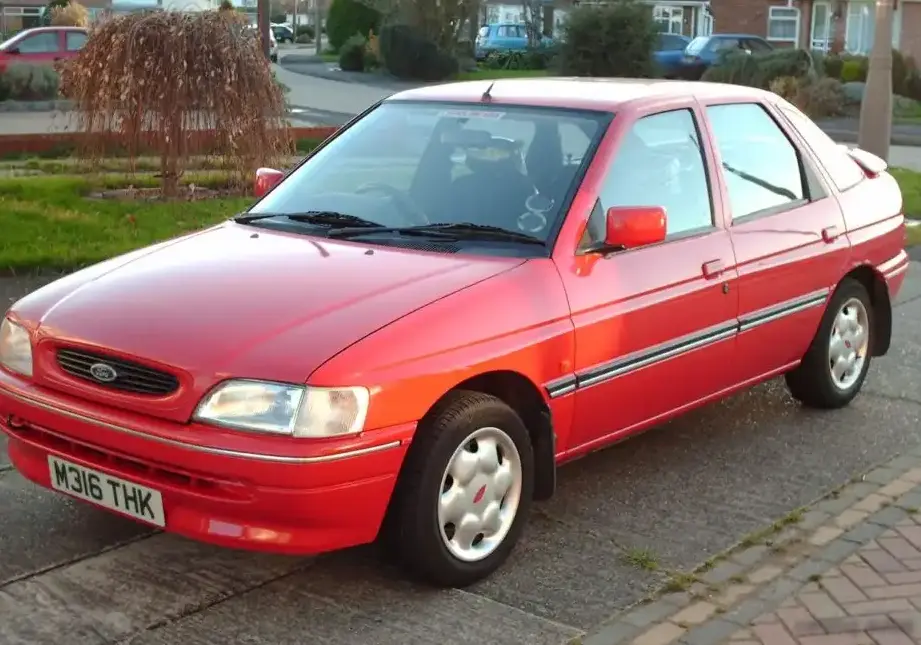
The Ford Escort VI Hatch (GAL) 1.4, produced between 1993 and 1995, represented the entry point into the sixth generation of Ford’s long-running Escort model. Part of the GAL platform, which also underpinned the Orion and Sierra models, the 1.4-liter variant was aimed at buyers prioritizing affordability and fuel economy over outright performance. Available in both three and five-door body styles, it served as a practical and popular choice in the European market, particularly for first-time car buyers and those seeking a reliable family vehicle. This specific configuration, with its 73 horsepower engine and typically paired with a five-speed manual transmission, occupied the lower end of the Escort VI lineup, sitting below the 1.6-liter and more powerful versions.
Technical Specifications
| Brand | Ford |
| Model | Escort |
| Generation | Escort VI Hatch (GAL) |
| Type (Engine) | 1.4 (73 Hp) |
| Start of production | 1993 |
| End of production | 1995 |
| Powertrain Architecture | Internal Combustion engine |
| Body type | Hatchback |
| Seats | 5 |
| Doors | 3/5 |
| Fuel consumption (combined) | 7.8 l/100 km |
| Fuel consumption (US mpg) | 30.2 |
| Fuel consumption (UK mpg) | 36.2 |
| Fuel Type | Petrol (Gasoline) |
| Acceleration 0 – 100 km/h | 15.4 sec |
| Acceleration 0 – 62 mph | 15.4 sec |
| Acceleration 0 – 60 mph | 14.6 sec |
| Maximum speed | 163 km/h (101.28 mph) |
| Weight-to-power ratio | 14.2 kg/Hp |
| Weight-to-torque ratio | 9.8 kg/Nm |
| Power | 73 Hp @ 5500 rpm |
| Power per litre | 52.4 Hp/l |
| Torque | 106 Nm @ 4000 rpm (78.18 lb.-ft. @ 4000 rpm) |
| Engine layout | Front, Transverse |
| Engine displacement | 1392 cm3 (84.95 cu. in.) |
| Number of cylinders | 4 |
| Engine configuration | Inline |
| Cylinder Bore | 77.2 mm (3.04 in.) |
| Piston Stroke | 74.3 mm (2.93 in.) |
| Compression ratio | 9.5:1 |
| Number of valves per cylinder | 2 |
| Fuel injection system | Single-point injection |
| Engine aspiration | Naturally aspirated |
| Valvetrain | OHC |
| Kerb Weight | 1040 kg (2292.81 lbs.) |
| Max. weight | 1525 kg (3362.05 lbs.) |
| Max load | 485 kg (1069.24 lbs.) |
| Trunk (boot) space – minimum | 380 l (13.42 cu. ft.) |
| Trunk (boot) space – maximum | 735 l (25.96 cu. ft.) |
| Fuel tank capacity | 55 l (14.53 US gal | 12.1 UK gal) |
| Length | 4104 mm (161.57 in.) |
| Width | 1696 mm (66.77 in.) |
| Height | 1397 mm (55 in.) |
| Wheelbase | 2525 mm (99.41 in.) |
| Front track | 1440 mm (56.69 in.) |
| Rear (Back) track | 1462 mm (57.56 in.) |
| Drivetrain Architecture | The Internal combustion engine (ICE) drives the front wheels of the vehicle. |
| Drive wheel | Front wheel drive |
| Number of gears and type of gearbox | 5 gears, manual transmission |
| Front suspension | Wishbone |
| Rear suspension | Coil spring |
| Front brakes | Ventilated discs |
| Rear brakes | Drum |
| Assisting systems | ABS (Anti-lock braking system) |
| Steering type | Steering rack and pinion |
| Power steering | Hydraulic Steering |
| Tires size | 175/70 R13 |
Powertrain & Engine Architecture
The heart of the Escort VI 1.4 was the Ford CVH (Compound Valve Hemispherical) engine, specifically the 1392cc variant. This engine, designated with various codes depending on the market, was a relatively simple and robust design. The 1.4 utilized a single-point fuel injection system, a cost-effective solution compared to the multi-point injection found in higher-spec Escorts. This system, while less efficient than more modern setups, contributed to the car’s affordability. The engine featured an overhead camshaft (OHC) valvetrain with two valves per cylinder. The five-speed manual transmission was the most common pairing, offering a reasonable spread of gears for everyday driving. The transmission was known for its relatively light shift action, though it wasn’t particularly sporty in feel.
Driving Characteristics
The 1.4-liter Escort VI was not designed for rapid acceleration. With 73 horsepower, the 0-60 mph time hovered around 14.6 seconds, and top speed was limited to approximately 101 mph. However, the engine proved to be reasonably tractable, providing sufficient power for urban driving and highway cruising, albeit with a need for frequent downshifts when overtaking. The gear ratios were geared towards economy rather than performance. Compared to the 1.6-liter versions, the 1.4 felt noticeably slower, particularly at higher speeds. The manual transmission allowed for a greater degree of driver control compared to the optional automatic transmission, which further diminished performance.
Equipment & Trim Levels
The 1.4 Escort VI typically came with a basic level of equipment. Standard features generally included power steering, central locking, and an adjustable steering column. Interior upholstery was typically cloth, with a simple dashboard layout. Optional extras included electric front windows, a sunroof, and upgraded audio systems. Trim levels varied by market, but the 1.4 generally represented the entry-level offering, with more luxurious features reserved for the 1.6 and higher-powered models. The focus was on providing a functional and affordable vehicle rather than a lavishly equipped one.
Chassis & Braking
The Escort VI utilized a front-wheel-drive layout with independent wishbone suspension at the front and a coil spring rear suspension. This setup provided a reasonable balance between ride comfort and handling. Braking was typically accomplished with ventilated discs at the front and drum brakes at the rear. Anti-lock Braking System (ABS) was available as an option, enhancing safety. The chassis was relatively lightweight, contributing to the car’s fuel efficiency. Stabilizer bars were fitted to improve body roll during cornering, though the overall handling characteristics were geared towards comfort rather than sporty performance.
Market Reception & Comparison
The Escort VI 1.4 was generally well-received as an affordable and practical family car. Critics praised its fuel economy and reliability, but noted its lack of outright performance. Compared to the 1.6-liter versions, the 1.4 offered a lower purchase price but at the expense of driving enjoyment. The 1.6-liter models were favored by those seeking more power and a more engaging driving experience. In terms of reliability, the 1.4-liter engine proved to be relatively robust, though regular maintenance was essential to prevent issues such as oil leaks and corrosion. Fuel economy was a strong point, averaging around 30-36 mpg in real-world driving conditions.
Legacy
The Ford Escort VI 1.4 remains a relatively common sight on European roads today, testament to its durability and affordability. While not a particularly sought-after model by enthusiasts, it represents a practical and reliable choice for those seeking a classic Ford hatchback. The CVH engine, while simple in design, is generally considered to be a long-lasting unit, provided it has been properly maintained. In the used car market, the 1.4 Escort VI typically commands a lower price than the higher-spec models, making it an attractive option for budget-conscious buyers. Its simplicity and relatively low running costs continue to appeal to a wide range of drivers.