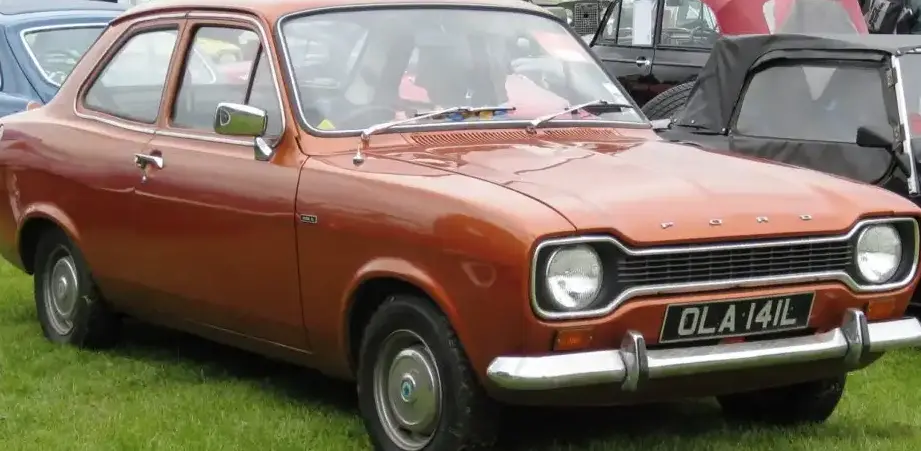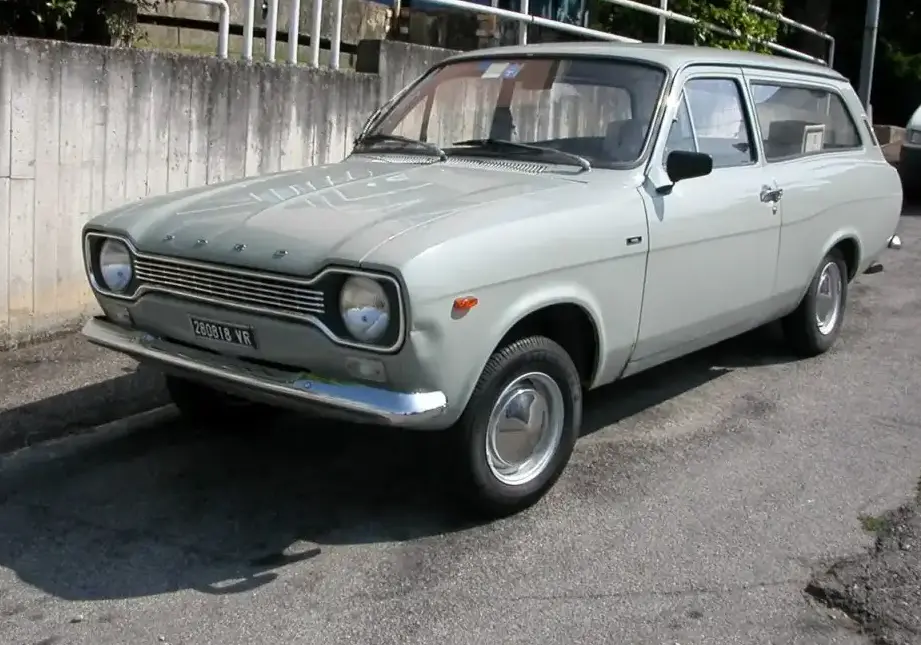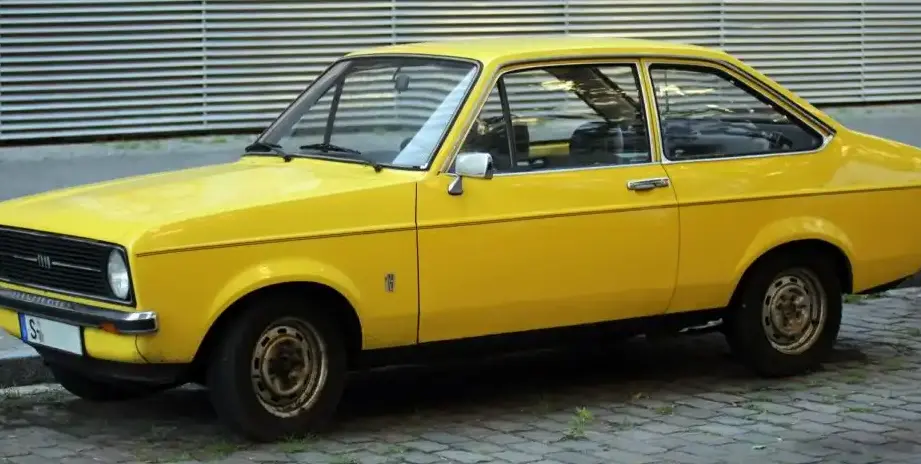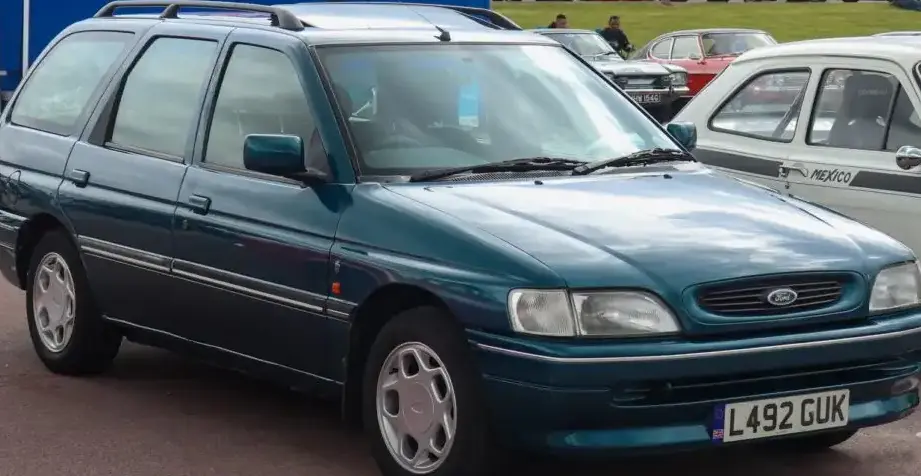
The Ford Escort VI Turnier 1.4, produced between 1994 and 1995, represented an entry-level offering within the broader Escort VI (GAL) Turnier – the estate or station wagon variant of the sixth-generation Escort. Positioned as a practical and economical choice, this model aimed at families and individuals prioritizing cargo space and fuel efficiency over outright performance. It served as a key component of Ford’s European lineup during a period of increasing competition in the compact family car segment. The Turnier body style itself was popular, offering a versatile alternative to the standard saloon and hatchback versions.
Technical Specifications
| Brand | Ford |
| Model | Escort |
| Generation | Escort VI Turnier (GAL) |
| Type (Engine) | 1.4 (75 Hp) |
| Start of production | 1994 |
| End of production | 1995 |
| Powertrain Architecture | Internal Combustion engine |
| Body type | Station wagon (estate) |
| Seats | 5 |
| Doors | 5 |
| Fuel Type | Petrol (Gasoline) |
| Power | 75 Hp |
| Engine layout | Front, Transverse |
| Engine Model/Code | FUH, F4B |
| Number of cylinders | 4 |
| Number of valves per cylinder | 2 |
| Fuel injection system | Single-point injection |
| Engine aspiration | Naturally aspirated engine |
| Valvetrain | OHC |
| Engine oil capacity | 3.5 l (3.7 US qt | 3.08 UK qt) |
| Coolant capacity | 7.6 l (8.03 US qt | 6.69 UK qt) |
| Drivetrain Architecture | Internal Combustion engine (ICE) drives the front wheels |
| Drive wheel | Front wheel drive |
| Number of gears & gearbox type | 5 gears, automatic transmission |
| Front suspension | Independent type McPherson |
| Rear suspension | Coil spring |
| Front brakes | Disc |
| Rear brakes | Drum |
| Power steering | Hydraulic Steering |
Powertrain & Engine Architecture
The Escort VI Turnier 1.4 utilized Ford’s FUH or F4B engine code, a 1392cc inline-four cylinder petrol engine. This engine featured a single overhead camshaft (OHC) valvetrain with two valves per cylinder. The fuel system employed single-point fuel injection, a relatively simple and cost-effective technology for the time. This contrasted with the multi-point injection systems found in higher-spec Escort models. The engine’s design prioritized fuel economy and reliability over peak power output. The 75 horsepower and estimated torque figures of around 88 lb-ft were modest, but adequate for everyday driving. The automatic transmission was a four-speed unit, designed to provide smooth, if not particularly sporty, gear changes. It was a conventional hydraulic automatic, lacking the electronic controls found in more modern transmissions.
Driving Characteristics
The 1.4L automatic Escort Turnier offered a comfortable, but unhurried, driving experience. Acceleration was adequate for merging onto highways and navigating city streets, but overtaking maneuvers required careful planning. The automatic transmission, while convenient, did detract from the engine’s responsiveness. Gear ratios were optimized for fuel efficiency rather than performance. Compared to the manual transmission versions of the 1.4, the automatic suffered a slight performance penalty. The higher-output 1.6L and 1.8L engines, particularly when paired with a manual gearbox, offered significantly more spirited performance. The suspension, tuned for comfort, provided a reasonably smooth ride, absorbing most road imperfections effectively. However, it wasn’t particularly engaging for enthusiastic drivers.
Equipment & Trim Levels
The 1.4L automatic Escort Turnier typically represented the base trim level. Standard equipment generally included power steering, central locking, and basic instrumentation. Interior upholstery was typically cloth, with a durable, if somewhat plain, finish. The dashboard layout was functional and straightforward, prioritizing ease of use over aesthetic appeal. Optional extras, such as air conditioning, electric windows, and a radio/cassette player, were available, but often added significantly to the vehicle’s price. Higher trim levels, such as the Ghia, offered more luxurious appointments, including upgraded upholstery, alloy wheels, and additional convenience features.
Chassis & Braking
The Escort VI Turnier’s chassis featured independent McPherson strut suspension at the front, providing a good balance of ride comfort and handling. The rear suspension utilized a coil spring setup. The front brakes were disc brakes, offering adequate stopping power, while the rear brakes were drum brakes – a cost-saving measure common in entry-level models. The hydraulic power steering provided light and easy steering, making it maneuverable in urban environments. Stabilizer bars were present, but were typically thinner in diameter compared to those found on higher-spec models, contributing to a slightly more pronounced body roll during cornering.
Market Reception & Comparison
The Escort VI Turnier 1.4 automatic was generally well-received as a practical and affordable family car. Critics acknowledged its spacious interior and fuel efficiency, but noted its lack of outright performance. Compared to other trims in the Escort lineup, the 1.4 automatic offered the lowest price point, making it accessible to a wider range of buyers. However, the 1.6L and 1.8L models, particularly those with manual transmissions, were often preferred by drivers seeking a more engaging driving experience. Competitors such as the Vauxhall/Opel Astra Estate and Volkswagen Golf Estate offered similar levels of practicality and affordability, but the Escort’s reputation for reliability and readily available parts contributed to its continued popularity.
Legacy
The Ford Escort VI Turnier 1.4 automatic, while not a performance icon, proved to be a reliable and durable vehicle. The engine, though simple in design, was generally robust and capable of high mileage with proper maintenance. The automatic transmission, while not the most sophisticated, was also relatively dependable. Today, these vehicles are increasingly rare, but well-maintained examples are sought after by enthusiasts and collectors. Parts availability remains reasonably good, thanks to the Escort’s widespread popularity during its production run. The 1.4 automatic represents a snapshot of a bygone era of affordable, practical family motoring, and serves as a reminder of Ford’s commitment to providing value for money.