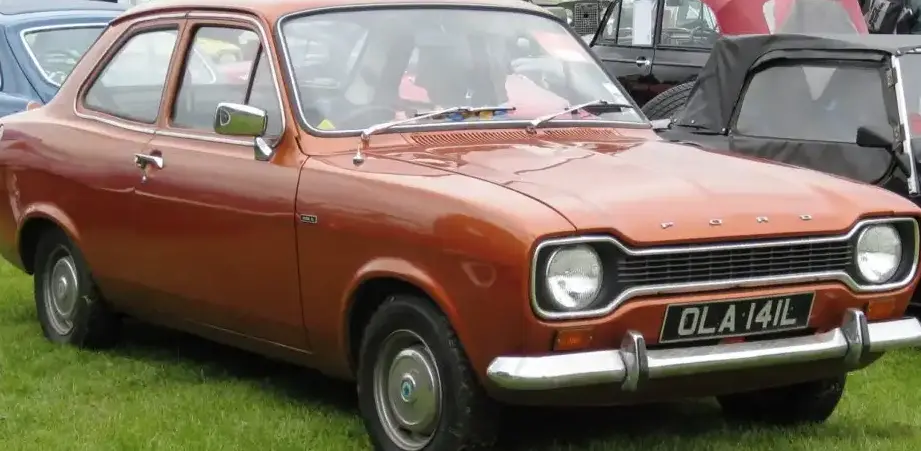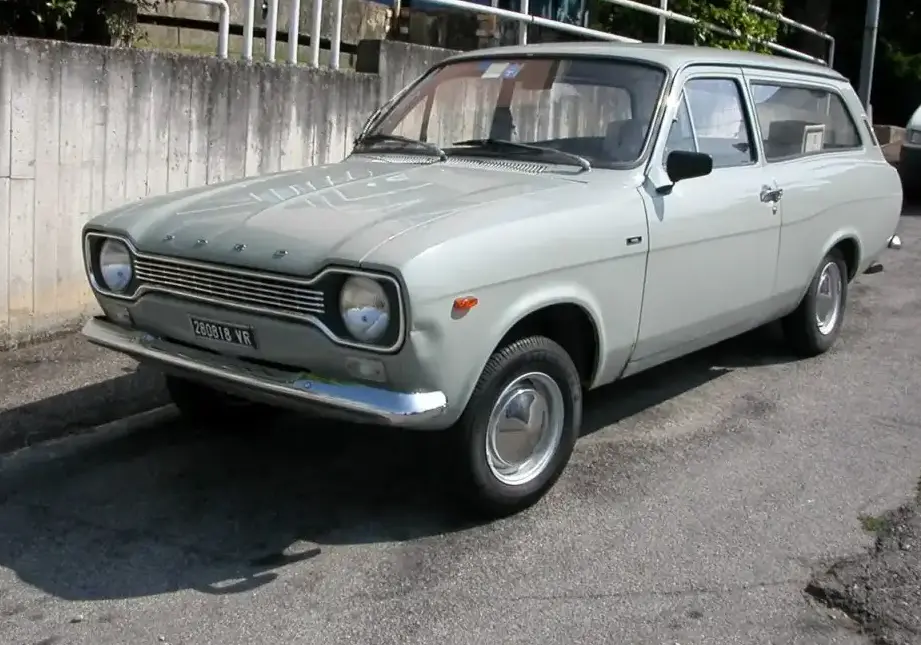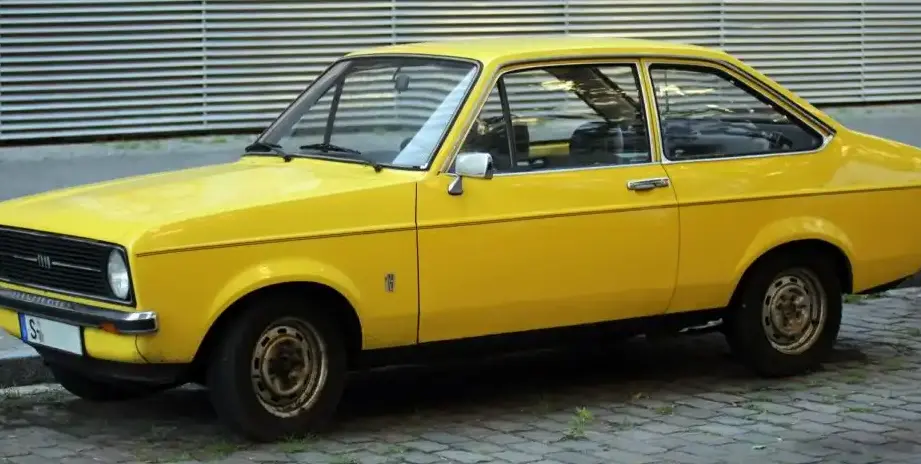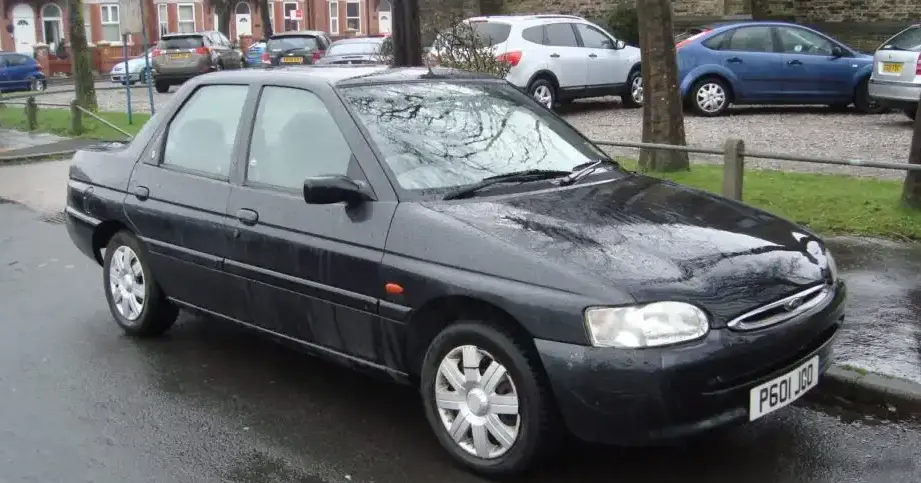
The Ford Escort VII, produced between 1995 and 2000, marked a significant evolution in Ford’s long-running Escort line. Within the seventh generation (chassis codes GAL, AAL, and ABL), the 1.6 i 16V variant, producing 90 horsepower, occupied a crucial position as a mainstream offering. It aimed to balance affordability with reasonable performance and equipment levels, appealing to a broad segment of the European car market. This model served as a practical and economical choice for families and commuters, offering a step up from the base models while remaining more accessible than the higher-performance versions.
Technical Specifications
| Brand | Ford |
| Model | Escort |
| Generation | Escort VII (GAL, AAL, ABL) |
| Type (Engine) | 1.6 i 16V (90 Hp) |
| Start of production | 1995 |
| End of production | 2000 |
| Powertrain Architecture | Internal Combustion engine |
| Body type | Sedan |
| Seats | 5 |
| Doors | 4 |
| Fuel consumption (combined) | 7.4 l/100 km (31.8 US mpg, 38.2 UK mpg, 13.5 km/l) |
| Fuel Type | Petrol (Gasoline) |
| Acceleration 0 – 100 km/h | 12.5 sec |
| Acceleration 0 – 62 mph | 12.5 sec |
| Acceleration 0 – 60 mph | 11.9 sec |
| Maximum speed | 177 km/h (109.98 mph) |
| Weight-to-power ratio | 12.3 kg/Hp, 81.4 Hp/tonne |
| Weight-to-torque ratio | 8.2 kg/Nm, 121.3 Nm/tonne |
| Power | 90 Hp @ 5500 rpm |
| Power per litre | 56.4 Hp/l |
| Torque | 134 Nm @ 3000 rpm (98.83 lb.-ft. @ 3000 rpm) |
| Engine layout | Front, Transverse |
| Engine Model/Code | L1E, L1K |
| Engine displacement | 1597 cm3 (97.45 cu. in.) |
| Number of cylinders | 4 |
| Engine configuration | Inline |
| Cylinder Bore | 76 mm (2.99 in.) |
| Piston Stroke | 88 mm (3.46 in.) |
| Compression ratio | 10.3:1 |
| Number of valves per cylinder | 4 |
| Fuel injection system | Multi-port manifold injection |
| Engine aspiration | Naturally aspirated engine |
| Valvetrain | DOHC |
| Engine oil capacity | 4.25 l (4.49 US qt | 3.74 UK qt) |
| Coolant | 7 l (7.4 US qt | 6.16 UK qt) |
| Kerb Weight | 1105 kg (2436.11 lbs.) |
| Max. weight | 1650 kg (3637.63 lbs.) |
| Max load | 545 kg (1201.52 lbs.) |
| Trunk (boot) space – minimum | 490 l (17.3 cu. ft.) |
| Fuel tank capacity | 55 l (14.53 US gal | 12.1 UK gal) |
| Length | 4293 mm (169.02 in.) |
| Width | 1700 mm (66.93 in.) |
| Height | 1394 mm (54.88 in.) |
| Wheelbase | 2525 mm (99.41 in.) |
| Front track | 1440 mm (56.69 in.) |
| Rear (Back) track | 1455 mm (57.28 in.) |
| Drivetrain Architecture | The Internal combustion engine (ICE) drives the front wheels of the vehicle. |
| Drive wheel | Front wheel drive |
| Number of gears and type of gearbox | 5 gears, manual transmission |
| Front suspension | Wishbone |
| Rear suspension | Coil spring |
| Front brakes | Ventilated discs |
| Rear brakes | Drum |
| Assisting systems | ABS (Anti-lock braking system) |
| Steering type | Steering rack and pinion |
| Power steering | Hydraulic Steering |
| Tires size | 175/70 R13 T |
Powertrain & Engine Architecture
The heart of the Escort VII 1.6 i 16V was the Ford L1E or L1K engine, a 1.6-liter inline-four cylinder powerplant. This engine featured a double overhead camshaft (DOHC) valvetrain operating four valves per cylinder, enhancing breathing and contributing to its relatively high output for its displacement. Fuel delivery was managed by a multi-port fuel injection system, providing precise fuel metering for improved efficiency and reduced emissions. The engine’s 10.3:1 compression ratio was a typical value for the era, balancing performance and fuel economy. While not a particularly advanced engine by modern standards, it was a robust and reliable unit. The 90 horsepower was delivered at 5500 rpm, with peak torque of 134 Nm (98.83 lb-ft) arriving at 3000 rpm. The engine was transversely mounted in the front of the vehicle, driving the front wheels. The standard transmission was a five-speed manual, though a four-speed automatic was also available, impacting performance and fuel economy.
Driving Characteristics
The 1.6 i 16V Escort offered a reasonably engaging driving experience, particularly with the five-speed manual transmission. Acceleration to 60 mph took around 11.9 seconds, and top speed was approximately 109.98 mph. The automatic transmission, while providing convenience, noticeably dulled performance, extending the 0-60 mph time to around 12.5 seconds. The engine felt responsive enough for everyday driving, with adequate torque for overtaking maneuvers. The gear ratios in the manual transmission were well-spaced, allowing the driver to keep the engine in its optimal power band. Compared to the more powerful 1.8-liter Zetec engine found in higher trim levels, the 1.6 felt less eager to rev, but it offered a smoother and more refined driving experience. The suspension provided a comfortable ride, though it wasn’t particularly sporty.
Equipment & Trim Levels
The 1.6 i 16V Escort typically came equipped with features considered standard for the time, including power steering, central locking, and an adjustable steering column. Interior upholstery was generally cloth, with a functional, if somewhat basic, dashboard layout. Optional extras included air conditioning, electric windows, and a radio/cassette player. Trim levels varied depending on the market, but generally, the 1.6 i 16V sat in the mid-range of the Escort lineup, offering a good balance of features and affordability. Higher trim levels added features like alloy wheels, upgraded interior trim, and more sophisticated audio systems.
Chassis & Braking
The Escort VII utilized a front-wheel-drive chassis with independent wishbone suspension at the front and a coil spring rear suspension. This setup provided a reasonable compromise between ride comfort and handling. Braking was typically accomplished with ventilated discs at the front and drum brakes at the rear. Anti-lock Braking System (ABS) was often included as standard equipment, enhancing safety. The steering was rack and pinion, providing precise and responsive steering feel. The 175/70 R13 tires were a common fitment, offering adequate grip for everyday driving conditions.
Market Reception & Comparison
The 1.6 i 16V Escort was generally well-received by automotive critics as a practical and affordable family car. It was praised for its fuel efficiency (around 31.8 US mpg combined) and reliability. However, some critics noted that the engine lacked the excitement of the more powerful Zetec variants. Compared to the 1.8 Zetec, the 1.6 offered lower running costs and insurance premiums, making it a more attractive option for budget-conscious buyers. The 1.6 also proved to be more reliable than some of the diesel variants, which were prone to issues with their fuel injection systems.
Legacy
The Ford Escort VII 1.6 i 16V powertrain has proven to be remarkably durable over the years. Many examples are still on the road today, testament to the engine’s robust design and Ford’s reputation for reliability. In the used car market, these Escorts are often sought after as affordable and dependable transportation. Maintenance is relatively straightforward, and parts are readily available. While not a particularly collectible model, the 1.6 i 16V Escort represents a significant chapter in Ford’s history and remains a popular choice for those seeking a classic, economical, and reliable vehicle.