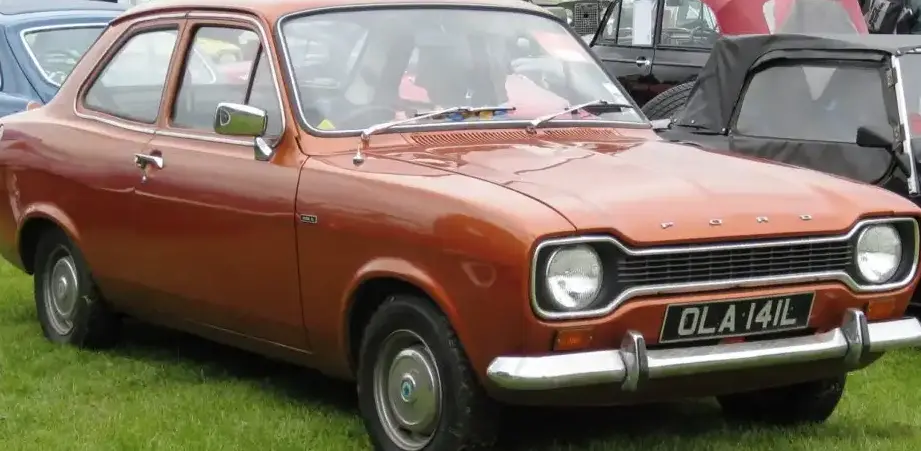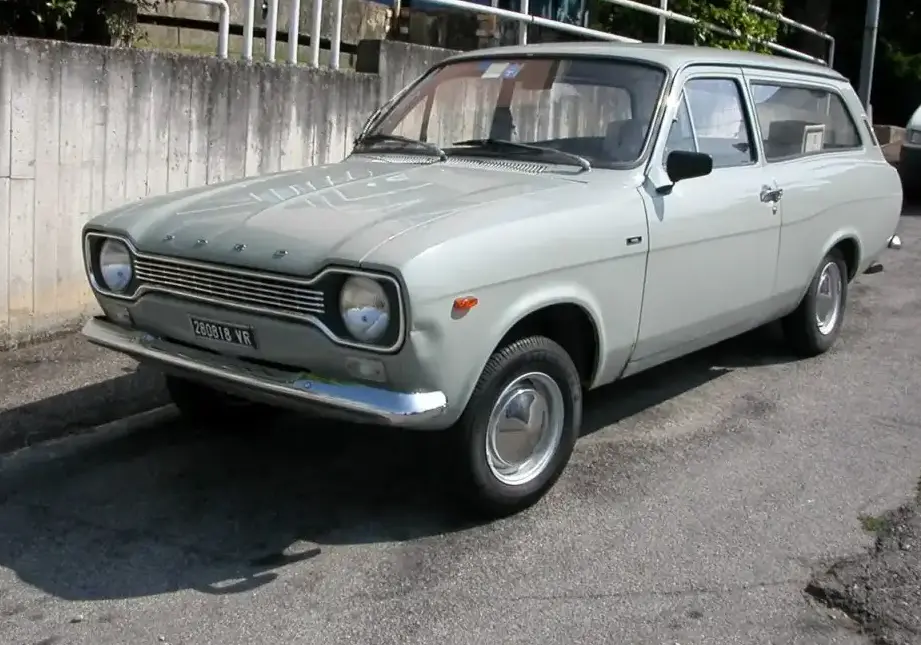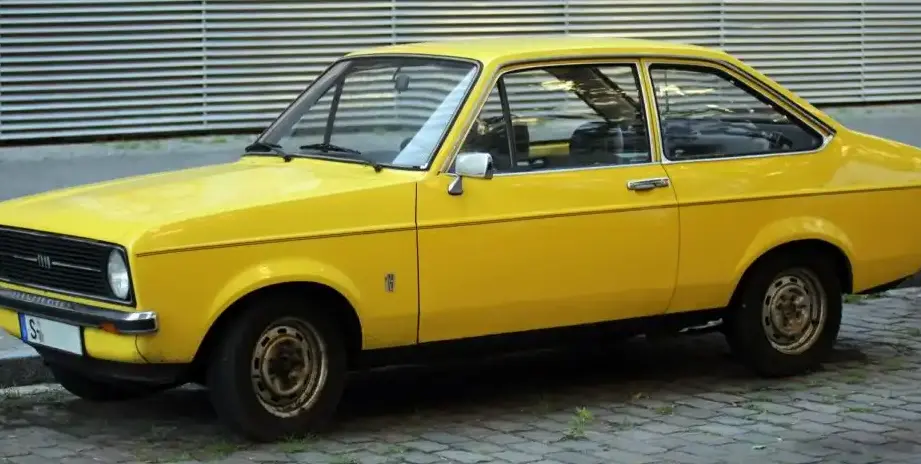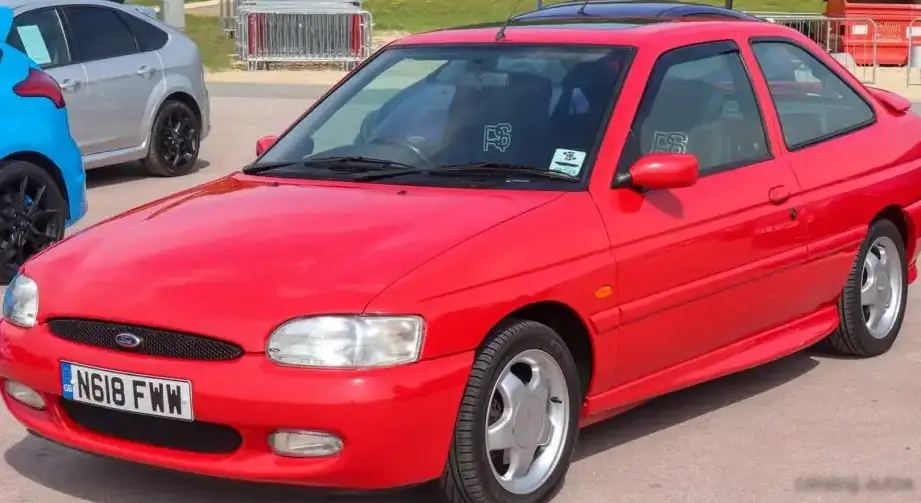
The Ford Escort VII, produced between 1995 and 1999, represented a significant evolution of Ford’s long-running Escort line. Within the seventh generation (GAL, AFL chassis codes), the 1.6 i 16V 4×4 variant, producing 90 horsepower, occupied a unique position. It aimed to offer all-wheel drive capability and a relatively fuel-efficient gasoline engine in a practical, compact package. This model was primarily sold in European markets, where demand for all-wheel-drive hatchbacks was growing, offering a blend of usability and all-weather traction. It sat in the middle of the range, offering more performance than the base 1.3L models but remaining more affordable than the higher-spec 1.8L or sporting versions.
Technical Specifications
| Brand | Ford |
| Model | Escort |
| Generation | Escort VII Hatch (GAL, AFL) |
| Type (Engine) | 1.6 i 16V 4×4 (90 Hp) |
| Start of production | 1995 |
| End of production | 1999 |
| Powertrain Architecture | Internal Combustion engine |
| Body type | Hatchback |
| Seats | 5 |
| Doors | 3/5 |
| Fuel consumption (combined) | 8.6 l/100 km (27.4 US mpg, 32.8 UK mpg, 11.6 km/l) |
| Fuel Type | Petrol (Gasoline) |
| Acceleration 0 – 100 km/h | 12.9 sec |
| Acceleration 0 – 62 mph | 12.9 sec |
| Acceleration 0 – 60 mph | 12.3 sec |
| Maximum speed | 175 km/h (108.74 mph) |
| Weight-to-power ratio | 12.9 kg/Hp, 77.3 Hp/tonne |
| Weight-to-torque ratio | 8.7 kg/Nm, 115 Nm/tonne |
| Power | 90 Hp @ 5500 rpm |
| Power per litre | 56.4 Hp/l |
| Torque | 134 Nm @ 3000 rpm (98.83 lb.-ft. @ 3000 rpm) |
| Engine layout | Front, Transverse |
| Engine Model/Code | L1E, L1K |
| Engine displacement | 1597 cm3 (97.45 cu. in.) |
| Number of cylinders | 4 |
| Engine configuration | Inline |
| Cylinder Bore | 76 mm (2.99 in.) |
| Piston Stroke | 88 mm (3.46 in.) |
| Compression ratio | 10.3:1 |
| Number of valves per cylinder | 4 |
| Fuel injection system | Multi-port manifold injection |
| Engine aspiration | Naturally aspirated engine |
| Valvetrain | DOHC |
| Engine oil capacity | 4.25 l (4.49 US qt | 3.74 UK qt) |
| Coolant | 7 l (7.4 US qt | 6.16 UK qt) |
| Kerb Weight | 1165 kg (2568.39 lbs.) |
| Max. weight | 1690 kg (3725.81 lbs.) |
| Max load | 525 kg (1157.43 lbs.) |
| Trunk (boot) space – minimum | 380 l (13.42 cu. ft.) |
| Trunk (boot) space – maximum | 735 l (25.96 cu. ft.) |
| Fuel tank capacity | 55 l (14.53 US gal | 12.1 UK gal) |
| Length | 4104 mm (161.57 in.) |
| Width | 1691 mm (66.57 in.) |
| Height | 1398 mm (55.04 in.) |
| Wheelbase | 2525 mm (99.41 in.) |
| Front track | 1440 mm (56.69 in.) |
| Rear (Back) track | 1455 mm (57.28 in.) |
| Drive wheel | All wheel drive (4×4) |
| Number of gears and type of gearbox | 5 gears, manual transmission |
| Front suspension | Wishbone |
| Rear suspension | Coil spring |
| Front brakes | Ventilated discs |
| Rear brakes | Disc |
| Assisting systems | ABS (Anti-lock braking system) |
| Steering type | Steering rack and pinion |
| Power steering | Hydraulic Steering |
| Tires size | 185/60 R14 H |
Powertrain & Engine Architecture
The heart of the Escort VII 1.6 i 16V 4×4 is the Ford L1E or L1K engine, a 1.6-liter inline-four cylinder gasoline engine. This engine utilized a multi-port fuel injection system, a common setup for the era, providing precise fuel delivery for improved efficiency and emissions control. The engine featured a double overhead camshaft (DOHC) valvetrain, operating four valves per cylinder. This configuration enhanced breathing and contributed to the engine’s respectable power output for its displacement. The 4×4 system employed a viscous coupling to distribute power between the front and rear axles, providing all-wheel drive capability without a complex electronic control system. The five-speed manual transmission was the only gearbox option available with this engine, offering a balance between fuel economy and performance. Gear ratios were fairly standard for the time, prioritizing usability over outright acceleration.
Driving Characteristics
The 90 horsepower output of the 1.6L engine, coupled with the added weight of the all-wheel-drive system, resulted in a 0-60 mph time of around 12.3 seconds. While not particularly quick by modern standards, it provided adequate performance for everyday driving. The all-wheel-drive system significantly improved traction, particularly on slippery surfaces, making it a more confident vehicle in inclement weather. Compared to the front-wheel-drive Escort variants, the 4×4 model exhibited reduced understeer and a more neutral handling balance. However, the added weight did slightly diminish fuel economy compared to the lighter, front-wheel-drive models. The five-speed manual transmission allowed drivers to keep the engine in its optimal power band, maximizing performance and efficiency.
Equipment & Trim Levels
The 1.6 i 16V 4×4 trim typically included features such as power steering, ABS brakes, and a basic stereo system. Interior upholstery was generally cloth, with a functional, if somewhat spartan, dashboard layout. Optional extras included electric windows, central locking, and a sunroof. The trim level aimed for practicality and affordability, offering essential features without the luxury appointments found in higher-spec Escort models. The focus was on providing a robust and reliable vehicle for everyday use.
Chassis & Braking
The Escort VII 4×4 utilized a wishbone front suspension and a coil spring rear suspension. This setup provided a reasonable balance between ride comfort and handling. The front brakes were ventilated discs, offering good stopping power, while the rear brakes were solid discs. The ABS system helped to prevent wheel lockup during hard braking, enhancing safety. The all-wheel-drive system added weight, necessitating slightly stiffer suspension settings compared to the front-wheel-drive models. Stabilizer bars were fitted to both the front and rear axles to reduce body roll during cornering.
Market Reception & Comparison
The Escort VII 1.6 i 16V 4×4 was generally well-received by automotive critics as a practical and capable all-weather vehicle. It offered a compelling alternative to front-wheel-drive hatchbacks, particularly in regions with harsh winters. Compared to the higher-output 1.8L Escort models, the 1.6L 4×4 offered better fuel economy and lower running costs, albeit at the expense of performance. The 1.8L models were often seen as more sporty, while the 1.6L 4×4 appealed to buyers prioritizing practicality and all-weather capability. Reliability was generally good, although the all-wheel-drive system did introduce additional components that could potentially require maintenance.
Legacy
The Ford Escort VII 1.6 i 16V 4×4 has become a relatively sought-after classic among Ford enthusiasts, particularly those looking for a practical and capable all-wheel-drive hatchback. The L1E/L1K engine is known for its durability and relatively simple maintenance requirements. While finding well-maintained examples can be challenging, the Escort VII 4×4 remains a popular choice for those seeking a classic Ford with all-weather capability. Parts availability is generally good, although some specific components related to the all-wheel-drive system may be more difficult to source. Today, these Escorts represent a unique blend of practicality, affordability, and all-wheel-drive capability from a bygone era.