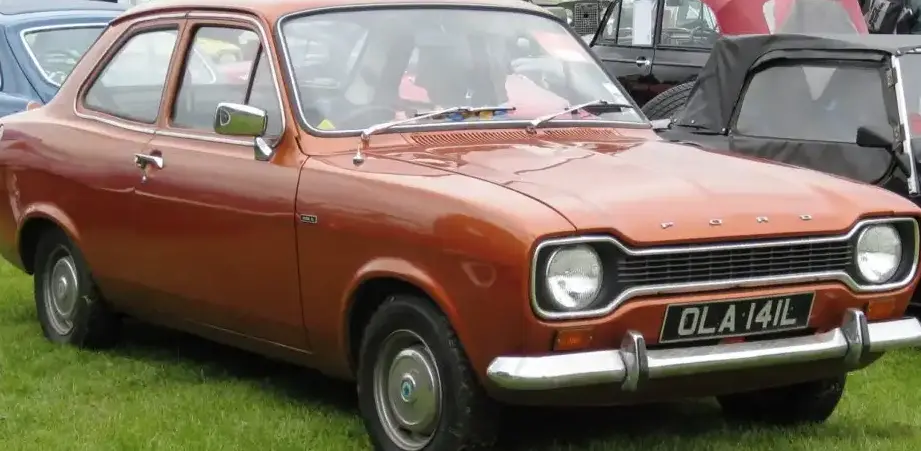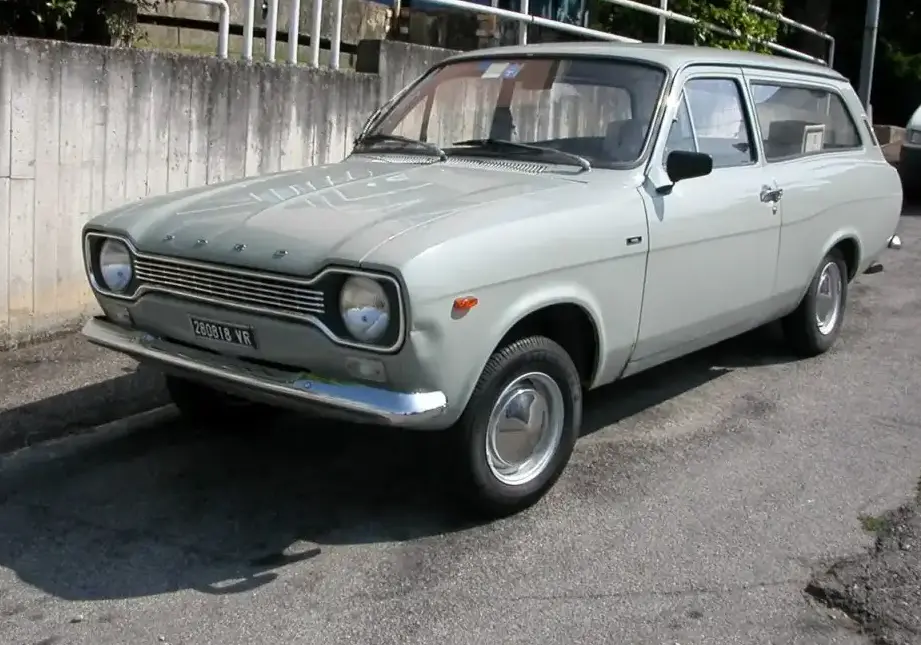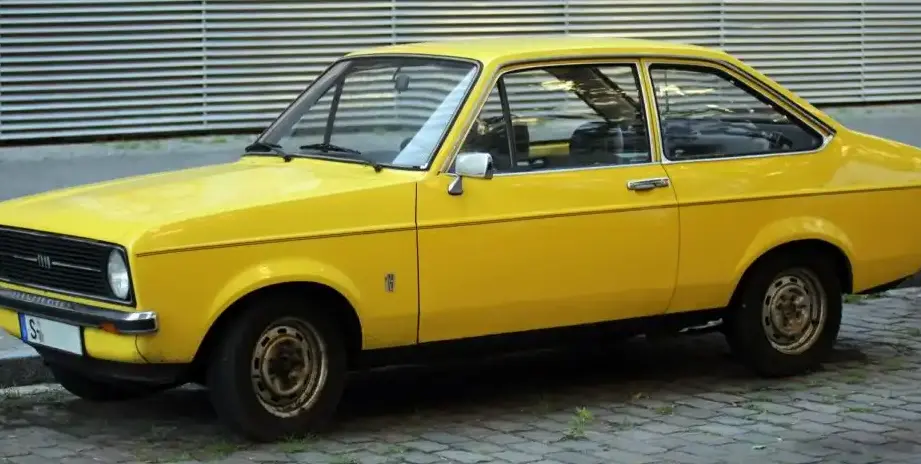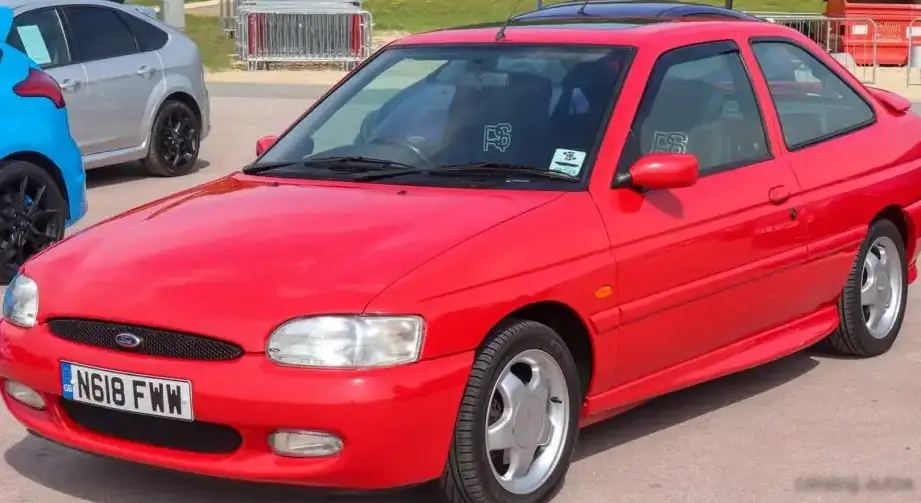
The Ford Escort VII, produced between 1995 and 1999, represented a significant evolution of Ford’s long-running Escort line. Within the seventh generation (GAL, AFL chassis codes), the 1.6 i 16V variant, producing 90 horsepower, occupied a crucial position as a mainstream offering. It aimed to balance affordability with a reasonable level of performance and equipment, appealing to a broad customer base in the European market. This model served as a stepping stone between the base models and the more powerful, performance-oriented versions like the XR3i. The Escort VII was a key player in the competitive C-segment hatchback market, facing rivals like the Volkswagen Golf, Opel/Vauxhall Astra, and Peugeot 306.
Technical Specifications
| Brand | Ford |
| Model | Escort |
| Generation | Escort VII Hatch (GAL, AFL) |
| Type (Engine) | 1.6 i 16V (90 Hp) |
| Start of production | 1995 |
| End of production | 1999 |
| Powertrain Architecture | Internal Combustion engine |
| Body type | Hatchback |
| Seats | 5 |
| Doors | 3/5 |
| Fuel consumption (urban) | 10.9 l/100 km (21.6 US mpg, 25.9 UK mpg, 9.2 km/l) |
| Fuel consumption (extra urban) | 6.6 l/100 km (35.6 US mpg, 42.8 UK mpg, 15.2 km/l) |
| Fuel consumption (combined) | 7.4 l/100 km (31.8 US mpg, 38.2 UK mpg, 13.5 km/l) |
| Fuel Type | Petrol (Gasoline) |
| Acceleration 0 – 100 km/h | 12.2 sec |
| Acceleration 0 – 62 mph | 12.2 sec |
| Acceleration 0 – 60 mph | 11.6 sec |
| Maximum speed | 177 km/h (109.98 mph) |
| Weight-to-power ratio | 12 kg/Hp, 83.3 Hp/tonne |
| Weight-to-torque ratio | 8.1 kg/Nm, 124.1 Nm/tonne |
| Power | 90 Hp @ 5500 rpm |
| Power per litre | 56.4 Hp/l |
| Torque | 134 Nm @ 3000 rpm (98.83 lb.-ft. @ 3000 rpm) |
| Engine layout | Front, Transverse |
| Engine Model/Code | L1E, L1K |
| Engine displacement | 1597 cm3 (97.45 cu. in.) |
| Number of cylinders | 4 |
| Engine configuration | Inline |
| Cylinder Bore | 76 mm (2.99 in.) |
| Piston Stroke | 88 mm (3.46 in.) |
| Compression ratio | 10.3:1 |
| Number of valves per cylinder | 4 |
| Fuel injection system | Multi-port manifold injection |
| Engine aspiration | Naturally aspirated engine |
| Valvetrain | DOHC |
| Engine oil capacity | 4.25 l (4.49 US qt | 3.74 UK qt) |
| Coolant capacity | 7 l (7.4 US qt | 6.16 UK qt) |
| Kerb Weight | 1080 kg (2380.99 lbs.) |
| Max. weight | 1625 kg (3582.51 lbs.) |
| Max load | 545 kg (1201.52 lbs.) |
| Trunk (boot) space – minimum | 380 l (13.42 cu. ft.) |
| Trunk (boot) space – maximum | 735 l (25.96 cu. ft.) |
| Fuel tank capacity | 55 l (14.53 US gal | 12.1 UK gal) |
| Length | 4104 mm (161.57 in.) |
| Width | 1691 mm (66.57 in.) |
| Height | 1398 mm (55.04 in.) |
| Wheelbase | 2525 mm (99.41 in.) |
| Front track | 1440 mm (56.69 in.) |
| Rear track | 1455 mm (57.28 in.) |
| Drivetrain Architecture | Front wheel drive |
| Number of gears | 5 |
| Gearbox type | Manual transmission |
| Front suspension | Wishbone |
| Rear suspension | Coil spring |
| Front brakes | Ventilated discs |
| Rear brakes | Drum |
| Assisting systems | ABS (Anti-lock braking system) |
| Steering type | Steering rack and pinion |
| Power steering | Hydraulic |
| Tires size | 175/70 R13 T |
Powertrain & Engine Architecture
The heart of this Escort variant was the Ford Zetec-S 1.6-liter inline-four cylinder engine, specifically the L1E or L1K engine code depending on the production year. This engine featured a dual overhead camshaft (DOHC) valvetrain with four valves per cylinder, contributing to its relatively high output for its displacement. Fuel delivery was handled by a multi-port fuel injection system, providing precise fuel metering for improved efficiency and performance. The engine’s 10.3:1 compression ratio was a typical value for naturally aspirated gasoline engines of the era. The engine was transversely mounted, driving the front wheels. The standard transmission was a five-speed manual, although a four-speed automatic transmission was also available, and is the focus of this article. This automatic, while offering convenience, did impact acceleration and fuel economy compared to the manual version.
Driving Characteristics
The 1.6L 90 hp automatic Escort offered a comfortable, if not particularly sporty, driving experience. The automatic transmission, while smooth in operation, resulted in noticeable acceleration lag. Zero to sixty mph took around 11.6 seconds, and top speed was approximately 109 mph. The gear ratios were optimized for fuel efficiency and everyday drivability rather than outright performance. Compared to the manual transmission version, the automatic felt noticeably slower, especially during overtaking maneuvers. The suspension, tuned for comfort, provided a reasonably compliant ride, but didn’t offer the sharp handling characteristics of some of its rivals. The power steering was hydraulic, providing light and easy steering input.
Equipment & Trim Levels
The 1.6 i 16V automatic typically came equipped with features considered standard for the time, including power steering, central locking, and an AM/FM radio. Higher trim levels, such as the ‘Si’ or ‘Ghia’ variants, added features like alloy wheels, electric windows, and upgraded interior trim. Interior upholstery was typically cloth, with a relatively simple dashboard layout. Optional extras included air conditioning, a sunroof, and upgraded sound systems. The trim level significantly impacted the overall feel of the car, with the Ghia offering a more luxurious experience.
Chassis & Braking
The Escort VII utilized a front-wheel-drive layout with independent wishbone suspension at the front and a coil spring rear suspension. Braking duties were handled by ventilated discs at the front and drum brakes at the rear. Anti-lock Braking System (ABS) was standard equipment, enhancing safety. The chassis was relatively lightweight, contributing to the car’s decent handling characteristics. Stabilizer bars were fitted to both the front and rear axles to reduce body roll during cornering.
Market Reception & Comparison
The 1.6 i 16V automatic Escort was generally well-received as a practical and affordable family car. Critics noted its comfortable ride and reasonable fuel economy, but also pointed out its lack of outright performance compared to rivals with more powerful engines. The automatic transmission was seen as a convenient option for urban driving, but it did detract from the car’s overall driving enjoyment. Compared to the 1.8L Zetec models, the 1.6L offered lower running costs but significantly less power. The 1.9 TDI diesel version provided superior fuel economy but lacked the refinement of the gasoline engine.
Legacy
The Ford Escort VII 1.6 i 16V automatic, while not a performance icon, remains a relatively reliable and affordable used car. The Zetec-S engine is known for its durability, and the automatic transmission, while not the most sophisticated, is generally dependable. Common issues include corrosion, particularly on older examples, and wear and tear on suspension components. Today, these Escorts are popular with enthusiasts looking for a classic Ford that is easy to maintain and relatively inexpensive to run. Parts availability is generally good, and a thriving aftermarket supports the model. The 1.6L automatic Escort represents a solid, if unspectacular, example of 1990s family motoring.