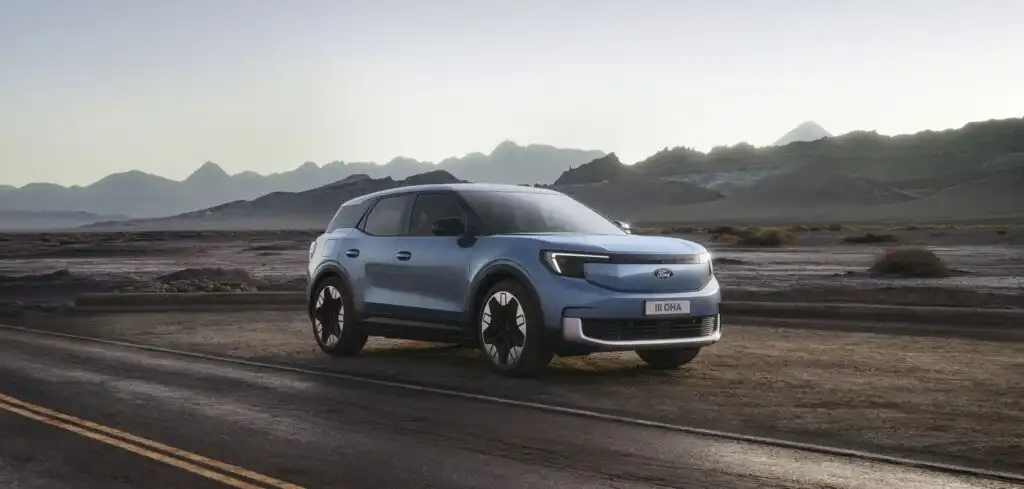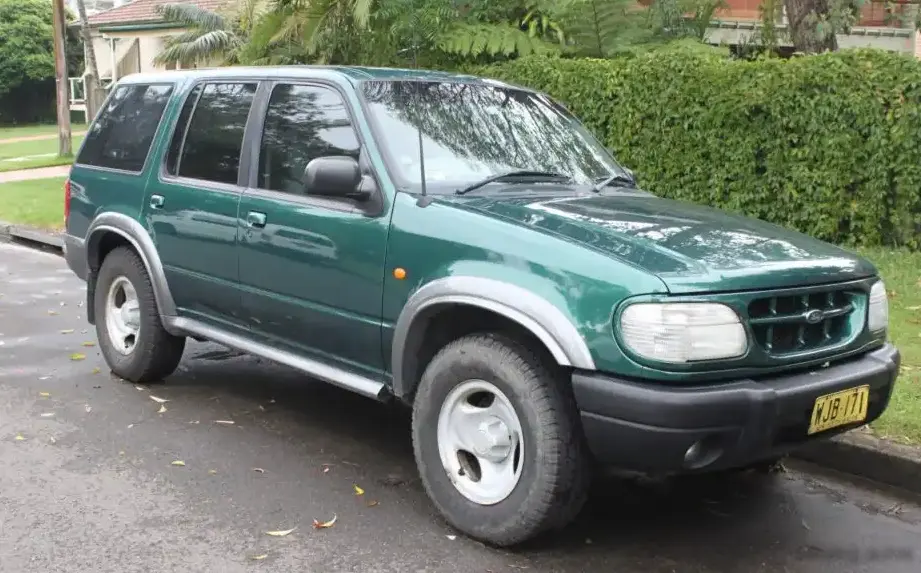
The Ford Explorer II 5.0 V8 4WD XLT, produced from 1996 to 2003, represented a significant iteration of Ford’s popular SUV. This variant, equipped with the 5.0-liter V8 engine and a four-speed automatic transmission, occupied a mid-to-upper position within the Explorer II lineup, appealing to buyers seeking a blend of capability, comfort, and performance. It was part of the second generation of the Explorer (designated Explorer II), which saw a move towards a more refined and spacious interior, alongside improvements in ride quality and available features. The Explorer II aimed to bridge the gap between the smaller Explorer and the larger, truck-based Expedition.
Technical Specifications
| Brand | Ford |
| Model | Explorer |
| Generation | Explorer II |
| Type (Engine) | 5.0 V8 4WD XLT (210 Hp) |
| Start of production | 1996 |
| End of production | 2003 |
| Powertrain Architecture | Internal Combustion engine |
| Body type | SUV |
| Seats | 5 |
| Doors | 5 |
| Fuel Type | Petrol (Gasoline) |
| Weight-to-power ratio | 9 kg/Hp, 111.1 Hp/tonne |
| Weight-to-torque ratio | 5.1 kg/Nm, 197.3 Nm/tonne |
| Power | 210 Hp @ 4600 rpm |
| Power per litre | 42.5 Hp/l |
| Torque | 373 Nm @ 3200 rpm, 275.11 lb.-ft. @ 3200 rpm |
| Engine layout | Front, Longitudinal |
| Engine displacement | 4942 cm3, 301.58 cu. in. |
| Number of cylinders | 8 |
| Engine configuration | V-engine |
| Cylinder Bore | 101.6 mm, 4 in. |
| Piston Stroke | 76.2 mm, 3 in. |
| Compression ratio | 8.8:1 |
| Number of valves per cylinder | 2 |
| Fuel injection system | Multi-port manifold injection |
| Engine aspiration | Naturally aspirated engine |
| Engine oil capacity | 4.7 l, 4.97 US qt | 4.14 UK qt |
| Coolant | 12.1 l, 12.79 US qt | 10.65 UK qt |
| Kerb Weight | 1891 kg, 4168.94 lbs. |
| Trunk (boot) space – minimum | 1206 l, 42.59 cu. ft. |
| Trunk (boot) space – maximum | 2311 l, 81.61 cu. ft. |
| Fuel tank capacity | 66 l, 17.44 US gal | 14.52 UK gal |
| Length | 4788 mm, 188.5 in. |
| Width | 1783 mm, 70.2 in. |
| Height | 1699 mm, 66.89 in. |
| Wheelbase | 2832 mm, 111.5 in. |
| Front track | 1494 mm, 58.82 in. |
| Rear (Back) track | 1488 mm, 58.58 in. |
| Drive wheel | All wheel drive (4×4) |
| Number of gears and type of gearbox | 4 gears, automatic transmission |
| Front suspension | Double wishbone |
| Rear suspension | Leaf spring |
| Front brakes | Disc |
| Rear brakes | Disc |
| Assisting systems | ABS (Anti-lock braking system) |
| Steering type | Steering rack and pinion |
| Power steering | Hydraulic Steering |
| Tires size | 225/70 R15 |
Powertrain & Engine Architecture
The heart of the Explorer II 5.0 XLT was the 4.9-liter (301.58 cu. in.) Ford Windsor V8 engine. This engine, designated as the 5.0, was a staple of Ford’s lineup for decades, known for its robust construction and relatively simple design. It featured a cast iron block and cylinder heads, with a two-valve-per-cylinder configuration. Fuel delivery was handled by a multi-port fuel injection system, providing a balance between efficiency and performance. The engine produced 210 horsepower at 4600 rpm and 373 Nm (275.11 lb.-ft.) of torque at 3200 rpm. The four-speed automatic transmission (typically the 4R70W) was chosen for its durability and ease of use, making it a popular choice for drivers prioritizing convenience over outright performance. This transmission featured electronic control for smoother shifting and improved fuel economy.
Driving Characteristics
The 5.0 V8 and automatic transmission combination delivered a comfortable and capable driving experience. While not as quick as the Explorer with a manual transmission or the later, more powerful engines, the 5.0 provided ample torque for everyday driving and towing. The automatic transmission’s gear ratios were optimized for cruising, offering smooth acceleration and relaxed highway performance. The 4WD system provided enhanced traction in inclement weather or on unpaved surfaces. Compared to the later 4.0-liter V6 models, the 5.0 offered a more substantial feel and a more traditional V8 sound. However, it also came with a fuel economy penalty.
Equipment & Trim Levels
The XLT trim level represented a step up in features compared to the base Explorer II. Standard equipment typically included air conditioning, power windows and locks, a premium sound system, and upgraded interior trim. Cloth upholstery was standard, with leather options available. The XLT also often included features like cruise control, a tilt steering wheel, and a rear wiper. Optional extras could include a power sunroof, upgraded audio systems, and various convenience packages.
Chassis & Braking
The Explorer II utilized a body-on-frame construction, providing a robust and durable platform. The front suspension featured an independent double wishbone design, while the rear suspension employed a traditional leaf spring setup. This configuration prioritized load-carrying capacity and durability over refined handling. Braking duties were handled by disc brakes on all four wheels, with ABS (Anti-lock Braking System) as a standard safety feature. The tires were typically 225/70 R15, providing a good balance between ride comfort and traction.
Market Reception & Comparison
The Explorer II 5.0 V8 4WD XLT was generally well-received by critics and consumers alike. It was praised for its spacious interior, comfortable ride, and capable performance. However, some reviewers noted the engine’s relatively low fuel economy compared to newer V6 engines. Compared to the 4.0-liter V6 Explorer II models, the 5.0 offered more power and a more refined driving experience, but at a higher price point and with increased fuel consumption. The 5.0 was also seen as a more appealing option for those who frequently towed trailers or boats.
Legacy
The Ford Explorer II 5.0 V8 4WD XLT remains a popular choice among enthusiasts and collectors today. The 5.0 V8 engine is known for its reliability and relatively simple maintenance requirements. While fuel economy is not its strong suit, the engine’s robust construction and readily available parts make it a relatively affordable and easy-to-maintain powerplant. These Explorers are often sought after for their classic American SUV appeal and their ability to provide a comfortable and capable driving experience. The 5.0 V8, while not the most technologically advanced engine, has proven to be a durable and long-lasting unit, contributing to the Explorer II’s enduring popularity in the used car market.