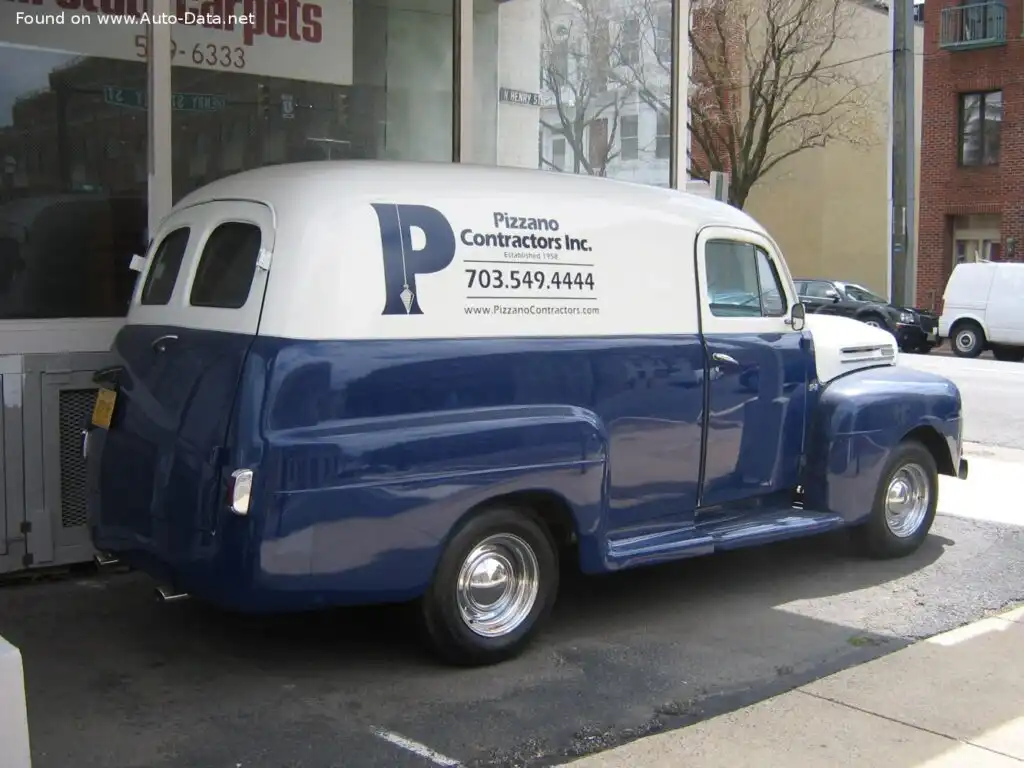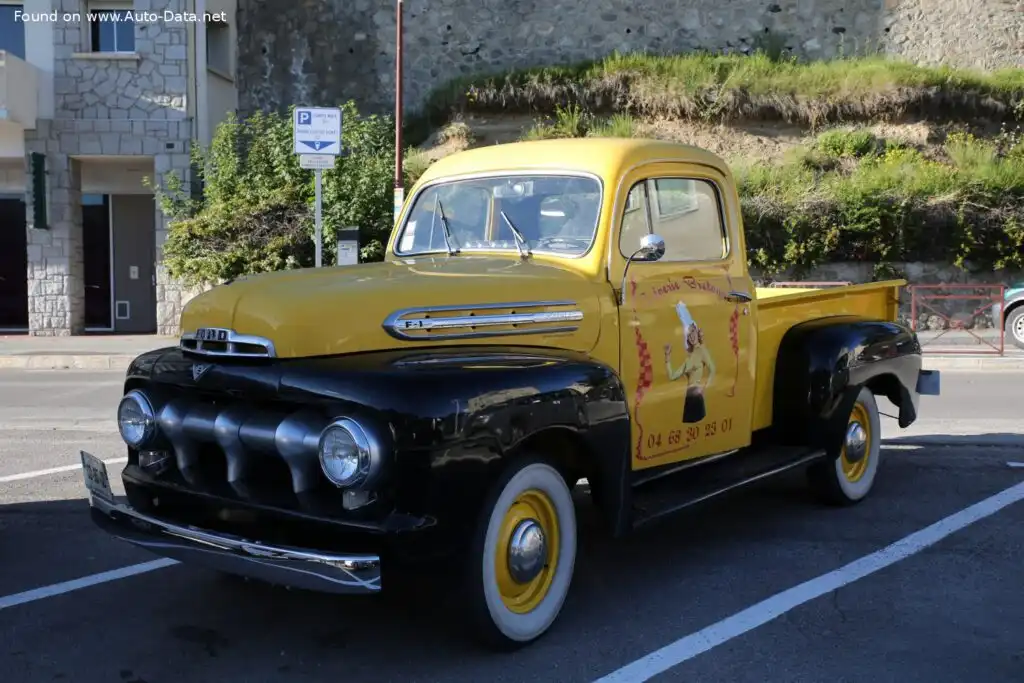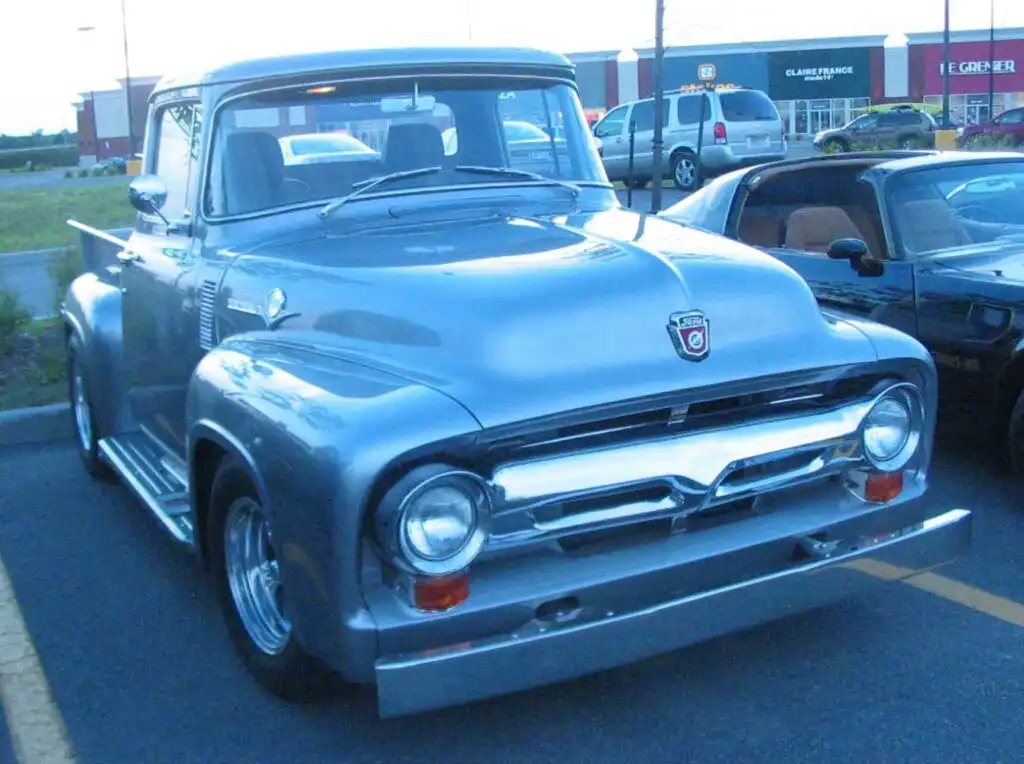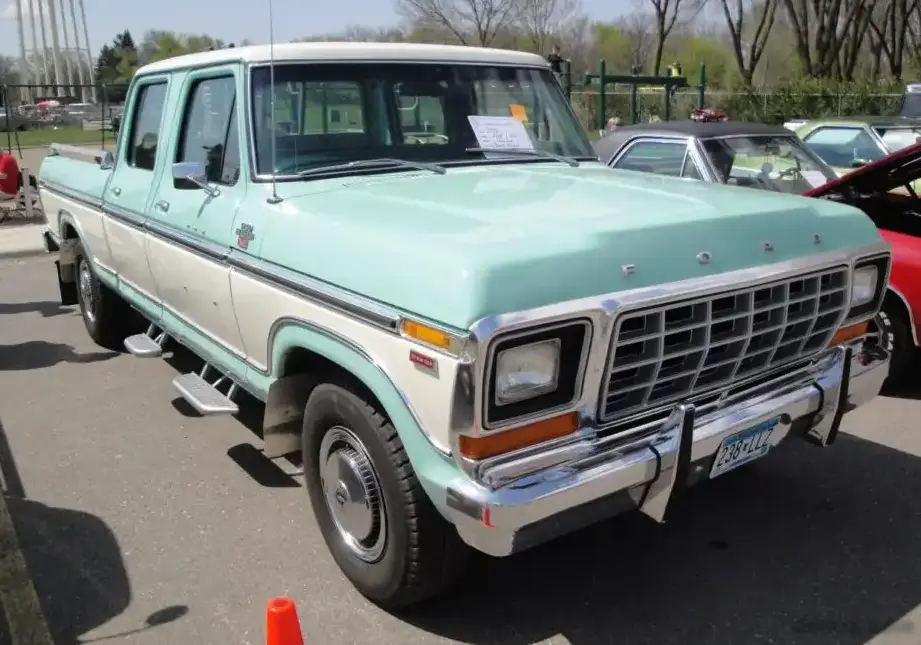
The Ford F-250 VI Crew Cab, equipped with the 6.4-liter (390 cubic inch) V8 engine producing 160 horsepower and paired with an automatic transmission, represents a notable iteration in Ford’s enduring F-Series pickup truck lineage. Produced for a limited time, from 1975 to 1976, this variant occupied a middle ground within the sixth generation (1973-1979) F-Series lineup, balancing capability with affordability. This period marked a transition for Ford trucks, responding to evolving consumer preferences and increasingly strict emissions regulations.
Technical Specifications
| Brand | Ford |
| Model | F-Series F-250 |
| Generation | F-Series F-250 VI Crew Cab |
| Type (Engine) | 6.4 390 V8 (160 Hp) Automatic |
| Start of production | 1975 |
| End of production | 1976 |
| Powertrain Architecture | Internal Combustion engine |
| Body type | Pick-up |
| Seats | 6 |
| Doors | 4 |
| Fuel Type | Petrol (Gasoline) |
| Power | 160 Hp |
| Power per litre | 25 Hp/l |
| Engine displacement | 6391 cm3 |
| Engine displacement (cu. in.) | 390 cu. in. |
| Number of cylinders | 8 |
| Engine configuration | V-engine |
| Cylinder Bore | 102.87 mm |
| Cylinder Bore (in.) | 4.05 in. |
| Piston Stroke | 96.01 mm |
| Piston Stroke (in.) | 3.78 in. |
| Number of valves per cylinder | 4 |
| Fuel injection system | Carburettor |
| Engine aspiration | Naturally aspirated engine |
| Max. weight | 3402 kg |
| Max. weight (lbs.) | 7500.13 lbs. |
| Trunk (boot) space – minimum | 1727 l |
| Trunk (boot) space – minimum (cu. ft.) | 60.99 cu. ft. |
| Length | 5652 mm |
| Length (in.) | 222.52 in. |
| Wheelbase | 3810 mm |
| Wheelbase (in.) | 150 in. |
| Wading depth | 673 mm |
| Wading depth (in.) | 26.5 in. |
| Drivetrain Architecture | Rear wheel drive |
| Drive wheel | Rear wheel drive |
| Number of gears and type of gearbox | automatic transmission Cruise-O-Matic |
| Front suspension | Independent coil spring |
| Rear suspension | Leaf spring |
| Front brakes | Disc |
| Rear brakes | Drum |
| Power steering | Electric Steering |
| Tires size | 215/85 R16.5 |
| Wheel rims size | 6J x 16.5 |
Powertrain & Engine Architecture
The core of this F-250 variant was the 390 cubic inch (6.4-liter) Ford Windsor V8 engine. This engine, known as the 390 FE block, was a long-standing component of Ford’s truck and full-size car offerings for many years. The 1975-1976 version, however, was significantly affected by increasingly stringent emissions regulations. It employed a two-barrel carburetor for fuel delivery, a relatively uncomplicated system compared to later fuel injection technologies. The engine featured a cast iron block and cylinder heads, contributing to its durability but also adding to its overall weight. Valve operation was managed by a conventional pushrod valvetrain. The Cruise-O-Matic automatic transmission, a three-speed unit, was the only transmission option available with this configuration. This transmission was recognized for its robustness and reasonably smooth operation, although it lacked the efficiency of more contemporary automatic transmissions.
Driving Characteristics
The 160 horsepower output of the 390 V8 in the F-250, combined with the three-speed automatic transmission, resulted in a driving experience geared more towards practicality than outright performance. Acceleration was moderate, especially when towing loads or ascending hills. The automatic transmission’s gear ratios were optimized for towing and hauling, prioritizing low-end torque over rapid acceleration. In comparison to the available higher-output V8 options, such as the 460 cubic inch engine, this 390 automatic was noticeably slower. However, it provided a more relaxed driving experience, particularly for drivers less familiar with manual transmissions. The rear-wheel-drive configuration and leaf spring rear suspension delivered a firm ride, typical of trucks from this era, and were well-suited for carrying substantial payloads.
Equipment & Trim Levels
The F-250 Crew Cab, even in this mid-range configuration, offered a relatively comfortable interior for its time. Standard features included a vinyl bench seat (accommodating up to six passengers), a basic AM radio, and a heater. The dashboard was functional and utilitarian, with minimal decorative elements. Optional extras included air conditioning, power steering (often considered essential for a truck of this size), and upgraded interior trim packages. The Crew Cab body style itself was a significant enhancement, providing more passenger space than the standard cab models. The trim level generally positioned itself between the base work truck and the more luxurious Ranger XLT packages.
Chassis & Braking
The F-250 chassis was a rugged body-on-frame construction, designed to withstand the demands of heavy-duty use. The front suspension utilized independent coil springs, offering a degree of ride comfort, while the rear suspension relied on leaf springs, engineered for load-carrying capacity. Braking was achieved through disc brakes on the front axle and drum brakes on the rear. Power steering was frequently included as an option, simplifying the maneuvering of the large truck. The standard tire size was 215/85 R16.5, providing a balance between durability and traction.
Market Reception & Comparison
The 1975-1976 Ford F-250 with the 390 V8 and automatic transmission was regarded as a practical and dependable work truck. Critics generally commended its durability and load-carrying capabilities, but acknowledged its relatively modest performance compared to other available engine choices. Fuel economy, even for the period, was poor, a common trait of large displacement V8 engines. Compared to the 460 cubic inch V8, the 390 offered a lower initial price and potentially slightly improved fuel economy, but at the expense of considerable power. The 390 automatic was often preferred by buyers who prioritized ease of operation and reliability over sheer performance.
Legacy
The 390 Windsor V8, though no longer in production, remains a popular engine among classic truck enthusiasts. Its robust construction and readily available parts make it a relatively straightforward engine to maintain and rebuild. The Cruise-O-Matic transmission, while not as advanced as modern automatics, is also known for its durability. Today, well-preserved examples of the 1975-1976 F-250 Crew Cab with the 390 V8 command a respectable price in the used vehicle market, particularly among collectors and those seeking a classic American work truck. The combination of a spacious Crew Cab, a reliable powertrain, and a classic design has secured its lasting appeal.