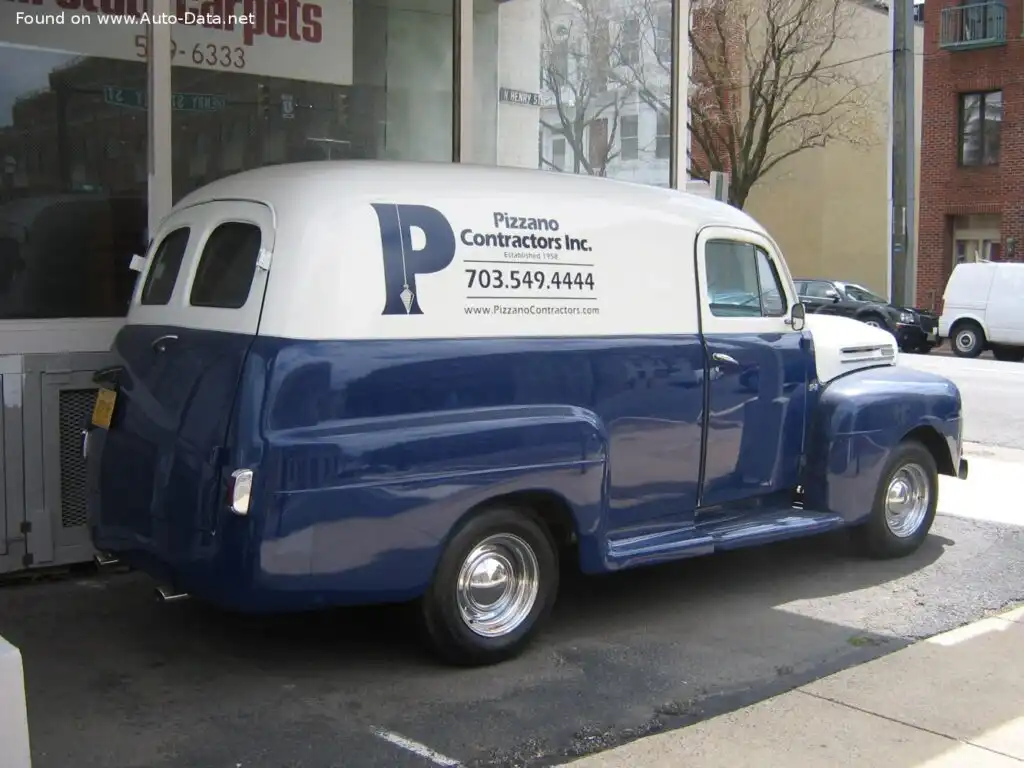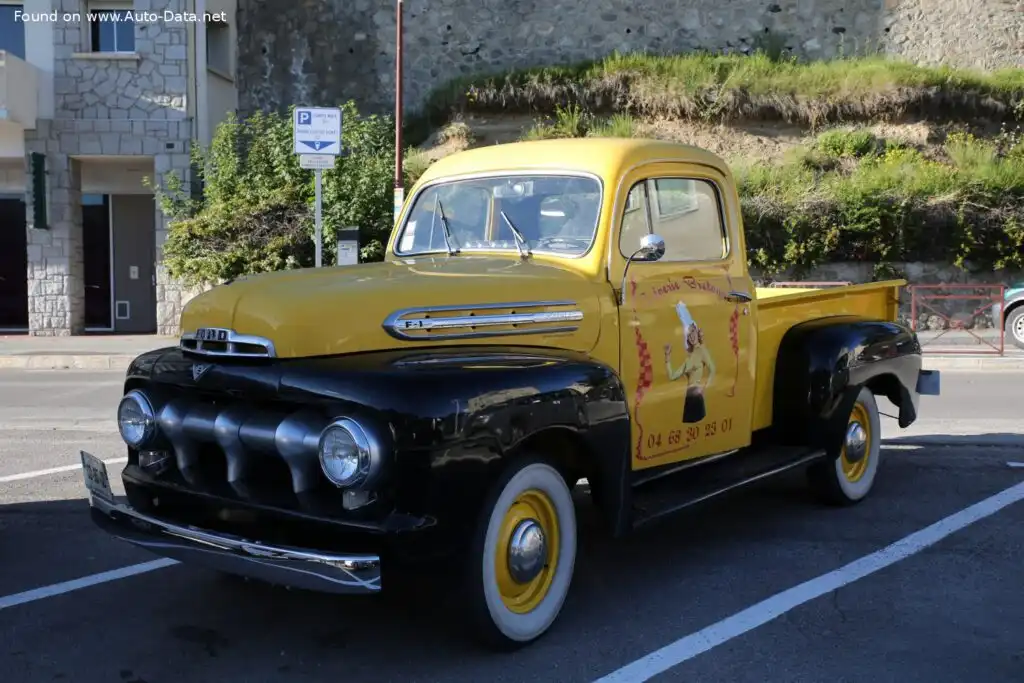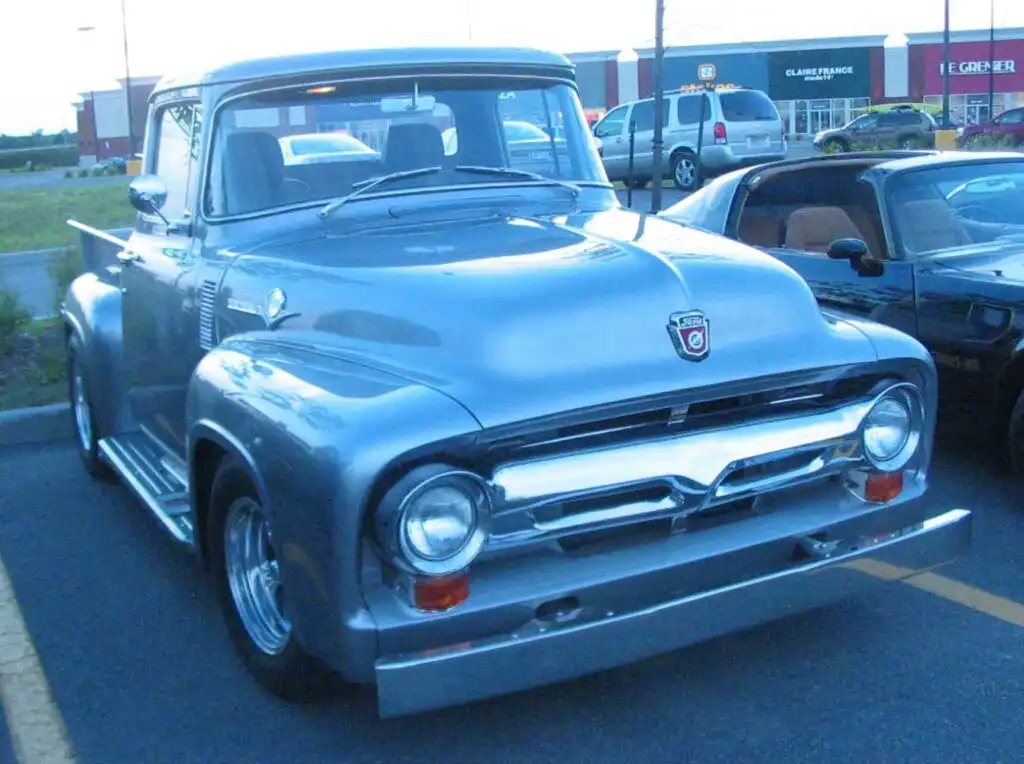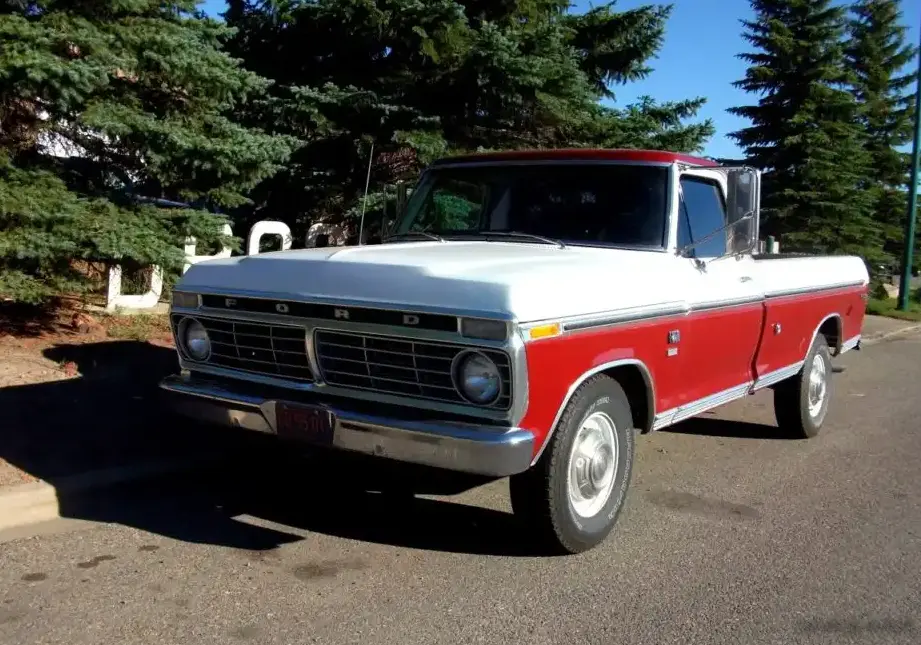
The Ford F-250 VI Regular Cab, equipped with the 4.9-liter (300 cubic inch) inline-six engine producing 118 horsepower and paired with a four-wheel drive system and automatic transmission, was a workhorse offering in the sixth generation of the Ford F-Series trucks. Produced from December 1972 through 1974, this configuration represented a balance between affordability and capability within the F-250 lineup. It catered to buyers needing a robust truck for hauling and light-duty work, without the expense of the larger displacement V8 engines available. This model occupied the entry-level position within the F-250 range, appealing to those prioritizing practicality and fuel economy over outright performance.
Technical Specifications
| Brand | Ford |
| Model | F-Series F-250 |
| Generation | F-Series F-250 VI Regular Cab |
| Type (Engine) | 4.9 300 Six (118 Hp) 4×4 Automatic |
| Start of production | December, 1972 |
| End of production | 1974 |
| Powertrain Architecture | Internal Combustion engine |
| Body type | Pick-up |
| Seats | 3 |
| Doors | 2 |
| Fuel Type | Petrol (Gasoline) |
| Power | 118 Hp |
| Power per litre | 24 Hp/l |
| Engine displacement | 4916 cm3 / 299.99 cu. in. |
| Number of cylinders | 6 |
| Engine configuration | Inline |
| Cylinder Bore | 101.6 mm / 4 in. |
| Piston Stroke | 101.09 mm / 3.98 in. |
| Fuel injection system | Carburettor |
| Engine aspiration | Naturally aspirated engine |
| Max. weight | 3493 kg / 7700.75 lbs. |
| Trunk (boot) space – minimum | 1852-2070 l / 65.4 – 73.1 cu. ft. |
| Length | 5215 mm / 205.31 in. |
| Wheelbase | 3378 mm / 132.99 in. |
| Wading depth | 681 mm / 26.81 in. |
| Drivetrain Architecture | The Internal combustion engine (ICE) drives the rear wheels permanently, and the front wheels are driven through an electrically or mechanically operated clutch if necessary. |
| Drive wheel | All wheel drive (4×4) |
| Number of gears and type of gearbox | automatic transmission Cruise-O-Matic |
| Front suspension | Independent coil spring |
| Rear suspension | Leaf spring |
| Front brakes | Disc |
| Rear brakes | Drum |
| Steering type | Worm-reduction unit |
| Power steering | Electric Steering |
| Tires size | 235/85 R16.5 |
| Wheel rims size | 6J x 16.5 |
Powertrain & Engine Architecture
The heart of this F-250 variant was the 4.9-liter (299 cubic inch) inline-six cylinder engine, commonly known as the “300 Six.” This engine, designated internally as the 300 I6, was a long-stroke design known for its durability and low-end torque. It utilized a cast iron block and cylinder head, and a two-barrel carburetor handled fuel delivery. The valvetrain employed a single overhead camshaft, operating two valves per cylinder. While 118 horsepower wasn’t substantial, the engine produced a respectable 226 lb-ft of torque, making it well-suited for hauling and towing. The automatic transmission was a Ford Cruise-O-Matic, a three-speed unit. This transmission was chosen for its simplicity and reliability, although it wasn’t known for its performance or fuel efficiency. The 4×4 system was a shift-on-the-fly design, allowing the driver to engage four-wheel drive when needed.
Driving Characteristics
The 118 hp and automatic transmission combination resulted in a driving experience focused on utility rather than speed. Acceleration was modest, and passing maneuvers required careful planning. The Cruise-O-Matic transmission, while smooth, lacked the responsiveness of a manual transmission. The gear ratios were optimized for towing and hauling, prioritizing low-end grunt over high-speed performance. In real-world conditions, this F-250 felt capable when loaded, but somewhat sluggish when driven empty. Compared to the available V8 engines (360 and 390 cubic inch), the 300 Six offered significantly less power, but also better fuel economy. The 4×4 system provided enhanced traction in off-road conditions and inclement weather, making it a versatile work truck.
Equipment & Trim Levels
The F-250 VI Regular Cab with the 4.9-liter engine and automatic transmission typically came with a fairly basic level of equipment. Standard features included a vinyl bench seat, a basic AM radio, and manual windows and locks. The interior was functional and durable, designed to withstand the rigors of work truck use. Optional extras included a heater and defroster, upgraded radios, and various towing packages. Trim levels were relatively limited; buyers could choose from a range of paint colors and a few different interior upholstery options. This configuration was generally considered the base model, appealing to buyers who prioritized affordability and functionality.
Chassis & Braking
The F-250 chassis was a traditional body-on-frame construction, providing a robust and durable platform. The front suspension utilized independent coil springs, offering a relatively comfortable ride for a heavy-duty truck. The rear suspension employed leaf springs, designed to handle heavy loads. The braking system featured disc brakes on the front wheels and drum brakes on the rear. Power steering was available as an option, making maneuvering the large truck easier. The tires were typically 235/85R16.5 size, providing a good balance of traction and durability. The frame itself was heavily reinforced to withstand the stresses of hauling and towing.
Market Reception & Comparison
The 4.9-liter F-250 with the automatic transmission received mixed reviews. Critics acknowledged its durability and affordability, but often criticized its lack of power and sluggish performance. It was generally seen as a good choice for buyers who didn’t require the extra capability of the V8 engines, and who prioritized fuel economy. Compared to the 360 and 390 V8 models, the 300 Six offered significantly lower fuel consumption, but also considerably less towing capacity. Reliability was generally good, with the 300 Six engine being known for its longevity. However, the Cruise-O-Matic transmission could be prone to wear and tear if not properly maintained.
Legacy
The Ford 300 Six engine has achieved legendary status among Ford truck enthusiasts. Its simple design and robust construction made it incredibly durable, with many examples exceeding 300,000 miles. The combination of the 300 Six and the Cruise-O-Matic transmission, while not known for its performance, proved to be a reliable and long-lasting powertrain. Today, these F-250s are sought after by collectors and enthusiasts who appreciate their simplicity and durability. While not as desirable as the V8-powered models, the 4.9-liter version remains a viable and affordable option for those seeking a classic Ford truck. Parts availability is generally good, and the engine is relatively easy to maintain. The 1972-1974 F-250 4.9L automatic represents a piece of American automotive history, embodying the work ethic and practicality of the era.