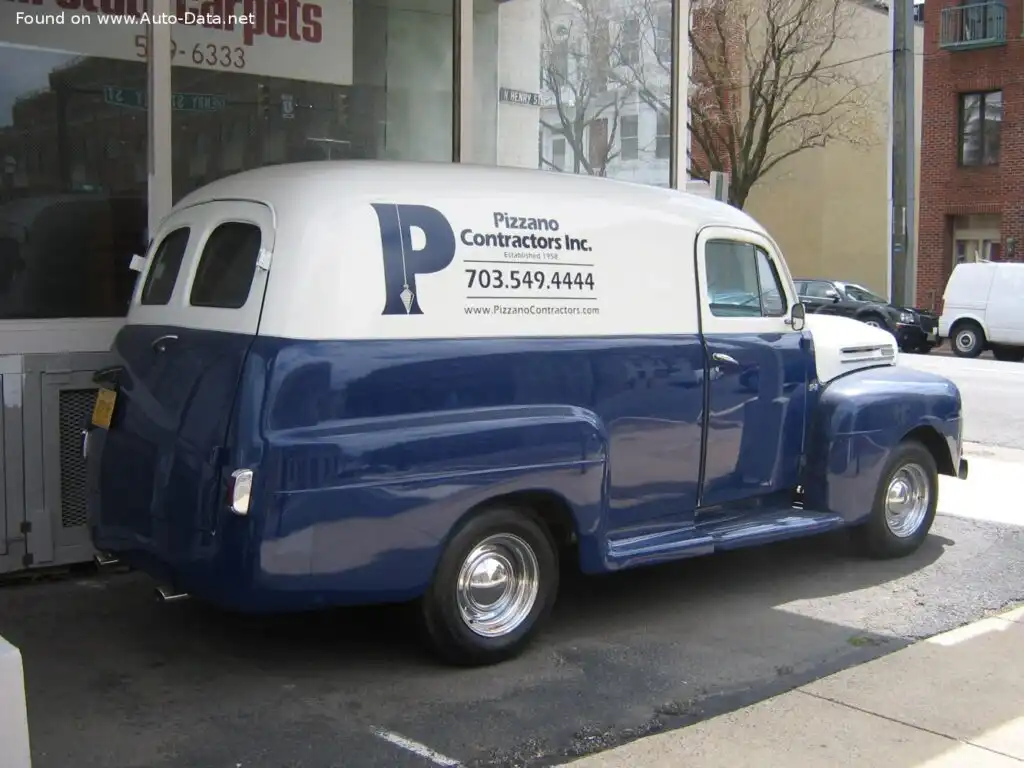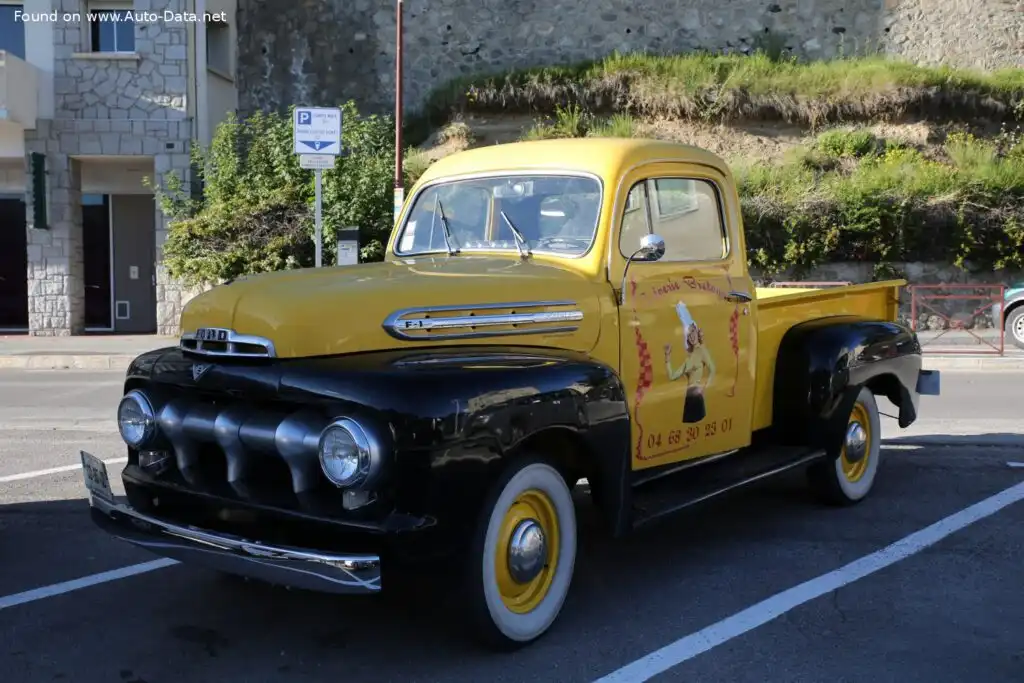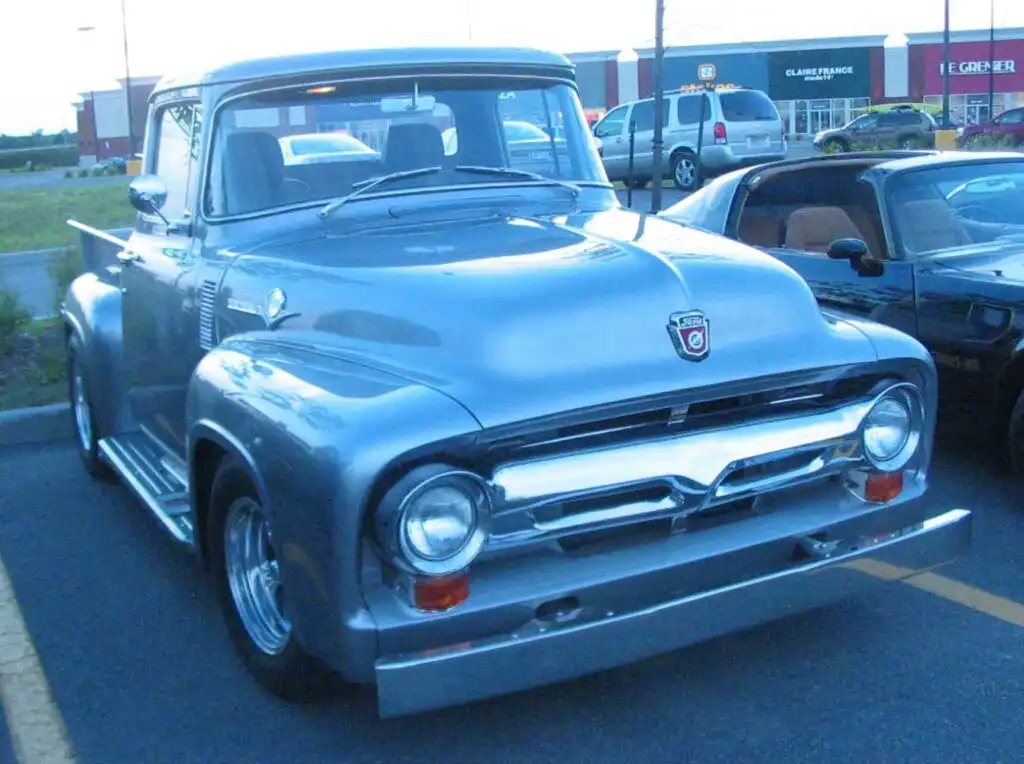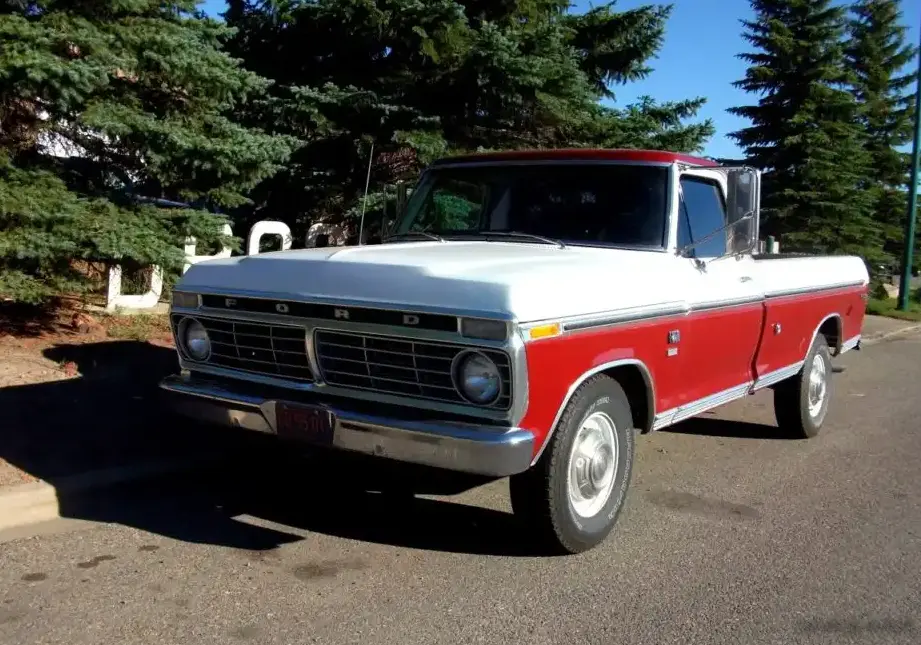
The Ford F-250, part of the sixth generation of the F-Series trucks produced between 1973 and 1979, represents a pivotal era in Ford’s dedication to providing robust, heavy-duty work trucks for the American market. The 1977-1979 F-250 equipped with the 5.8-liter (351 cubic inch) V8 engine, generating 160 horsepower, occupied a crucial middle ground within the F-250 lineup. It struck a balance between affordability, capability, and fuel economy – a particularly important consideration during the late 1970s energy crisis. This configuration primarily targeted buyers who required a strong truck for hauling and light commercial tasks, but didn’t necessarily need the higher output of the larger displacement engines available.
Technical Specifications
| Brand | Ford |
| Model | F-Series F-250 |
| Generation | F-Series F-250 VI Regular Cab |
| Engine Type | 5.8 351 V8 (160 Hp) |
| Production Years | 1977-1979 |
| Powertrain Architecture | Internal Combustion Engine |
| Body Type | Pick-up |
| Seats | 3 |
| Doors | 2 |
| Fuel Type | Petrol (Gasoline) |
| Power | 160 Hp |
| Power per Liter | 27.8 Hp/l |
| Engine Displacement | 5752 cm3 / 351.01 cu. in. |
| Number of Cylinders | 8 |
| Engine Configuration | V-engine |
| Cylinder Bore | 101.6 mm / 4 in. |
| Piston Stroke | 88.9 mm / 3.5 in. |
| Valves per Cylinder | 2 |
| Fuel Injection System | Carburettor |
| Engine Aspiration | Naturally Aspirated |
| Max. Weight | 3583 kg / 7899.16 lbs. |
| Trunk Space (minimum) | 2084 l / 73.6 cu. ft. |
| Fuel Tank Capacity | 73 l / 19.28 US gal | 16.06 UK gal |
| Length | 5215 mm / 205.31 in. |
| Wheelbase | 3378 mm / 132.99 in. |
| Wading Depth | 681 mm / 26.81 in. |
| Drivetrain Architecture | Rear Wheel Drive, Internal Combustion Engine |
| Drive Wheel | Rear Wheel Drive |
| Number of Gears | 3 |
| Gearbox Type | Manual Transmission |
| Front Suspension | Independent Coil Spring, Transverse Stabilizer |
| Rear Suspension | Leaf Spring, Transverse Stabilizer |
| Front Brakes | Disc |
| Rear Brakes | Drum |
| Power Steering | Electric Steering |
| Tire Size | 215/85 R16.5 |
| Wheel Rim Size | 6J x 16.5 |
Powertrain & Engine Architecture
The core of this F-250 variant was the 5.8-liter (351 cubic inch) Ford Windsor V8 engine. This engine, classified as a small-block V8, was renowned for its durability and relatively uncomplicated design. The 160 horsepower output was achieved through a two-barrel carburetor, a conservative setup compared to the four-barrel carburetors found in higher-performance models. The engine featured a cast iron block and cylinder heads, along with a traditional pushrod valvetrain operating with two valves per cylinder. The 351 Windsor employed a longitudinal front-engine layout. A three-speed manual transmission was the standard offering, providing a direct and robust shifting experience. While an automatic transmission was available as an option, the manual was preferred by buyers prioritizing fuel efficiency and greater control.
Driving Characteristics
The 160 hp 5.8L engine in the F-250 delivered adequate, though not particularly exciting, performance. Acceleration was moderate, and the truck was best suited for consistent cruising speeds and hauling loads. The three-speed manual transmission provided a relatively broad gear range, with a low first gear for starting with heavy loads and a higher third gear for highway driving. In comparison to the larger 6.6-liter (400 cubic inch) V8 or the diesel options, this engine lacked the substantial low-end torque required for demanding towing applications. However, it offered a smoother and quieter driving experience than the larger gasoline engines. The rear-wheel-drive configuration, combined with the leaf spring rear suspension, provided a firm yet capable ride, particularly when the truck bed was loaded.
Equipment & Trim Levels
The 1977-1979 F-250 with the 5.8L engine typically came equipped with a fairly basic set of features. Standard inclusions were a vinyl bench seat, a straightforward instrument cluster with essential gauges, and a heater. Air conditioning, power steering, and upgraded interior trim were offered as optional extras. This trim level was generally considered the base or mid-range offering within the F-250 lineup. Buyers could select from a variety of paint colors and bed configurations, including standard beds, camper specials, and stake beds. The interior materials were durable and practical, designed to withstand the demands of work truck usage.
Chassis & Braking
The F-250 chassis was a rugged body-on-frame construction, engineered to handle heavy loads and challenging terrain. The front suspension utilized independent coil springs and a transverse stabilizer bar, providing a relatively comfortable ride for a heavy-duty truck. The rear suspension featured leaf springs and a transverse stabilizer bar, offering a strong and stable platform for hauling. Braking was managed by disc brakes at the front and drum brakes at the rear. Power steering was frequently an optional addition, simplifying maneuvering the large truck, especially in confined spaces. The 16.5-inch wheels were typically fitted with heavy-duty tires designed for both on-road and off-road use.
Market Reception & Comparison
The 1977-1979 Ford F-250 with the 5.8L engine was generally well-received by buyers seeking a capable and affordable work truck. Reviewers praised its durability and reliability, but acknowledged its modest performance compared to the larger engine options. Fuel economy was a significant concern during this period, and the 5.8L engine offered a slight advantage over the larger displacement engines. Compared to the Chevrolet C20 and Dodge D250, the F-250 was considered a competitive offering, with a reputation for being a tough and dependable truck. The 351 Windsor engine was a popular choice for those who didn’t require the additional power of the 400 cubic inch engine, providing a good compromise between performance and economy.
Legacy
The 1977-1979 Ford F-250 with the 5.8L engine has become a favored choice among classic truck enthusiasts. The 351 Windsor engine is known for its reliability and ease of maintenance, making it a relatively inexpensive engine to rebuild or repair. These trucks are often sought after for restoration projects, and well-preserved examples can command a premium price in the used vehicle market. While not the most powerful or luxurious F-250 variant, the 5.8L engine provided a solid foundation for a dependable and long-lasting work truck, solidifying its place in Ford’s extensive history of truck manufacturing. Today, these trucks are frequently seen at car shows and used for light hauling and recreational activities, a testament to their enduring appeal and robust construction.