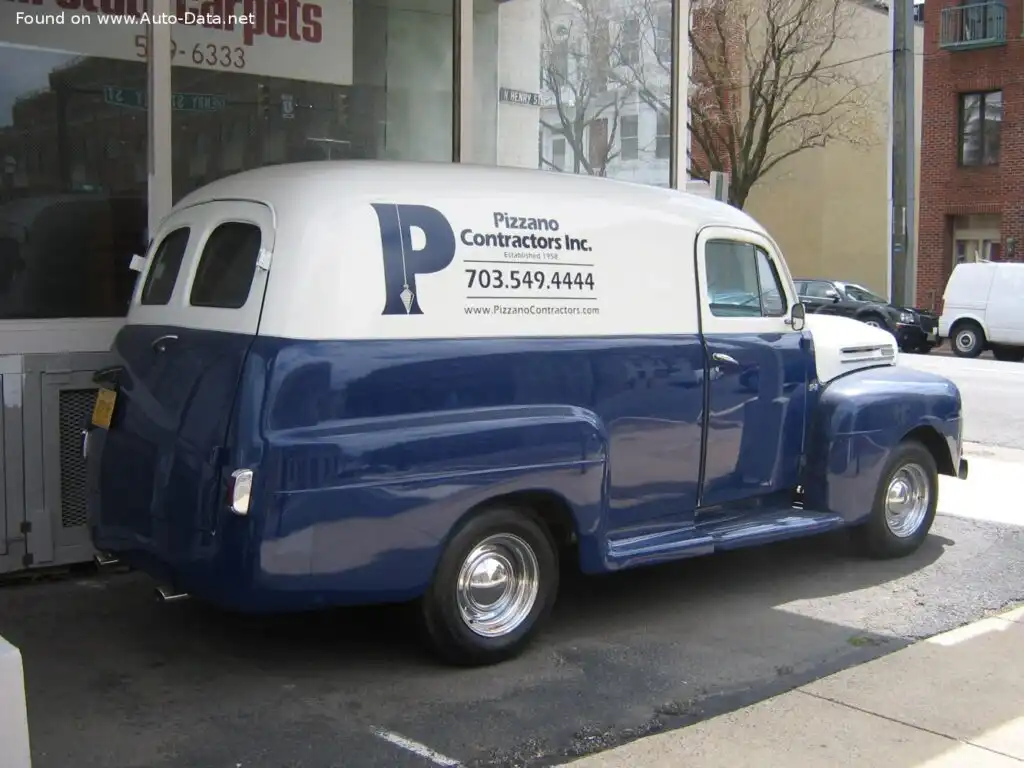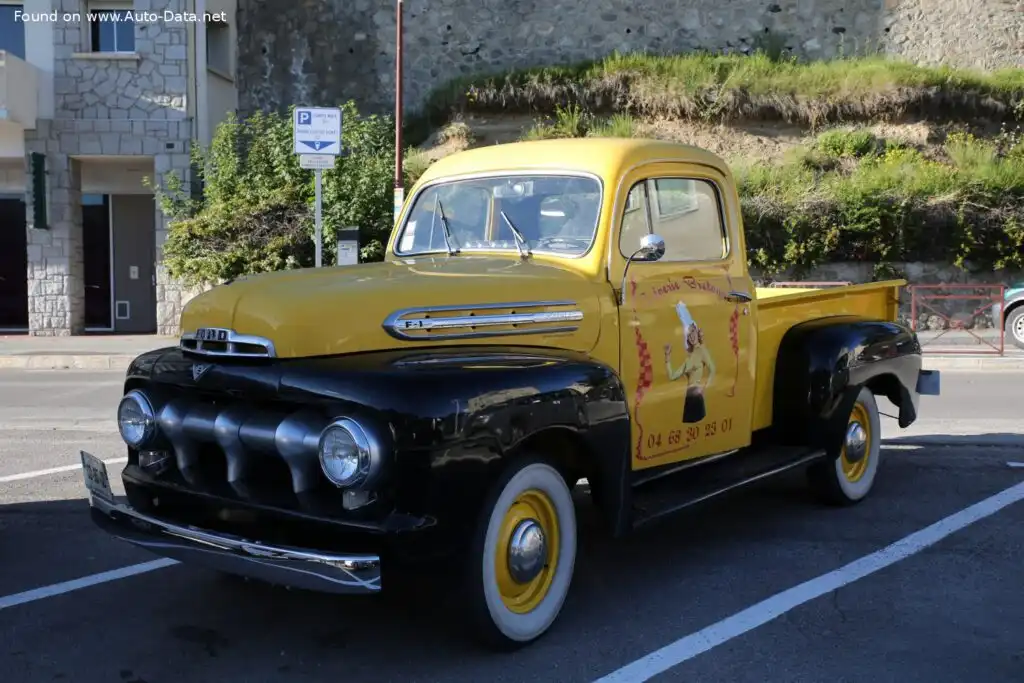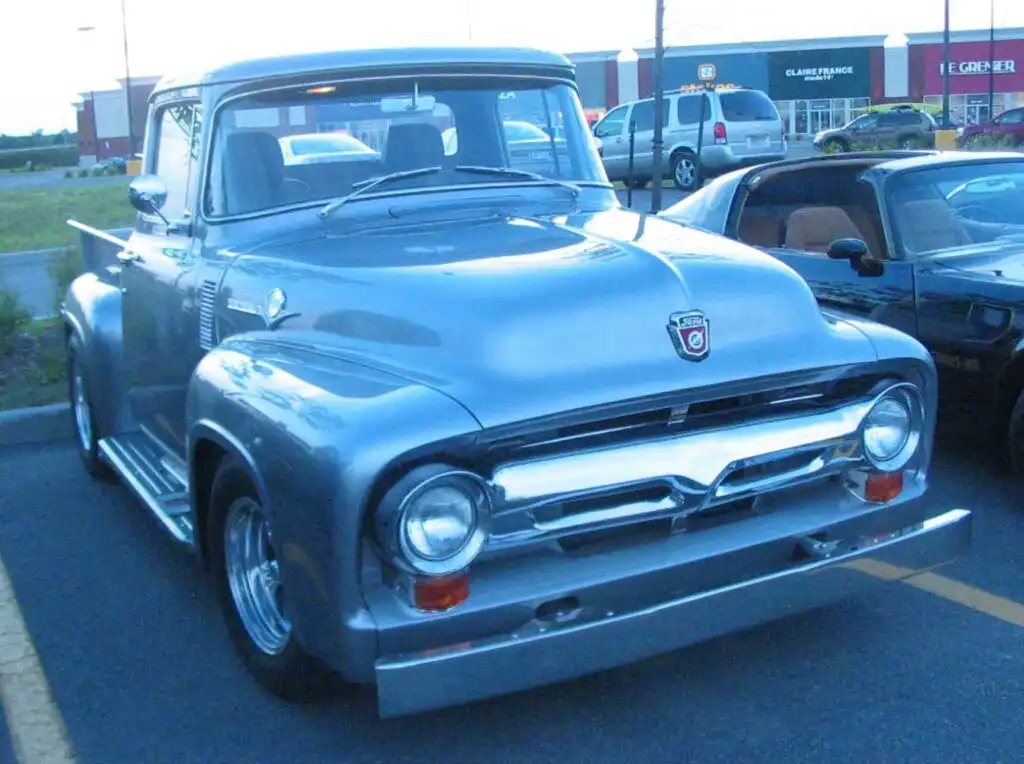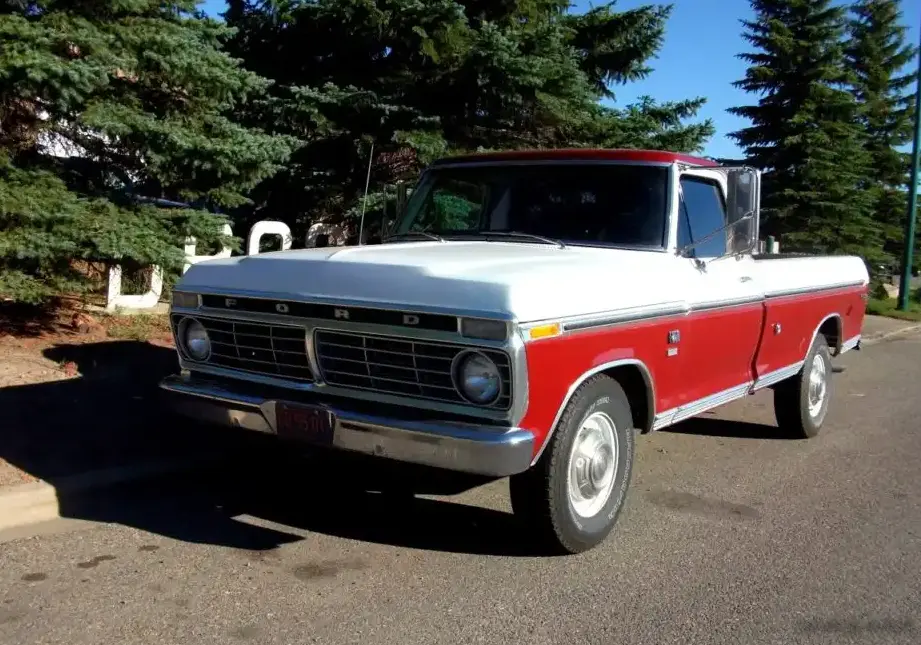
The Ford F-Series F-250 VI Regular Cab, equipped with the 5.9-liter (360 cubic inch) 360 V8 engine producing 145 horsepower and a four-wheel-drive (4×4) drivetrain, represents a significant iteration of Ford’s long-running and immensely popular F-Series pickup truck line. Produced from December 1972 through 1976, this variant falls within the sixth generation (F-Series F-250 VI) and served as a heavy-duty workhorse for a variety of applications, primarily in the North American market. It occupied a middle ground in the F-250 lineup, offering a balance between capability and affordability, positioned below the larger engine options but above the smaller six-cylinder offerings.
Technical Specifications
| Brand | Ford |
| Model | F-Series F-250 |
| Generation | F-Series F-250 VI Regular Cab |
| Type (Engine) | 5.9 360 V8 (145 Hp) 4×4 |
| Start of production | December, 1972 |
| End of production | 1976 |
| Powertrain Architecture | Internal Combustion engine |
| Body type | Pick-up |
| Seats | 3 |
| Doors | 2 |
| Fuel Type | Petrol (Gasoline) |
| Power | 145 Hp |
| Power per litre | 24.6 Hp/l |
| Engine displacement | 5899 cm3 / 359.98 cu. in. |
| Number of cylinders | 8 |
| Engine configuration | V-engine |
| Cylinder Bore | 102.87 mm / 4.05 in. |
| Piston Stroke | 88.9 mm / 3.5 in. |
| Fuel injection system | Carburettor |
| Engine aspiration | Naturally aspirated engine |
| Max. weight | 3493 kg / 7700.75 lbs. |
| Trunk (boot) space – minimum | 1852-2070 l / 65.4 – 73.1 cu. ft. |
| Length | 5215 mm / 205.31 in. |
| Wheelbase | 3378 mm / 132.99 in. |
| Wading depth | 681 mm / 26.81 in. |
| Drivetrain Architecture | The Internal combustion engine (ICE) drives the rear wheels permanently, and the front wheels are driven through an electrically or mechanically operated clutch if necessary. |
| Drive wheel | All wheel drive (4×4) |
| Number of gears and type of gearbox | 4 gears, manual transmission |
| Front suspension | Independent coil spring |
| Rear suspension | Leaf spring |
| Front brakes | Disc |
| Rear brakes | Drum |
| Steering type | Worm-reduction unit |
| Power steering | Electric Steering |
| Tires size | 235/85 R16.5 |
| Wheel rims size | 6J x 16.5 |
Powertrain & Engine Architecture
The heart of this F-250 variant is the 5.9-liter (360 cubic inch) Ford Windsor V8 engine. This engine, designated within Ford’s nomenclature as the 360, is a robust and relatively simple design, utilizing a cast iron block and cylinder heads. The 145 horsepower output was achieved through the use of a two-barrel carburetor, a relatively conservative valve timing, and a 8.0:1 compression ratio. The engine featured a traditional pushrod valvetrain with two valves per cylinder. The 360 Windsor was known for its durability and relatively easy maintenance, making it a popular choice for those needing a reliable powerplant. The four-speed manual transmission was a heavy-duty unit designed to handle the engine’s torque and the demands of hauling and towing. This transmission featured a floor-mounted shifter and was known for its durability, though it lacked the refinement of more modern transmissions.
Driving Characteristics
The 145 hp 360 V8, coupled with the four-speed manual transmission, provided adequate, but not exhilarating, performance. Acceleration was modest, and the truck was geared more towards providing strong low-end torque for work-related tasks. The four-speed manual offered a reasonable range of gear ratios, allowing the driver to select the appropriate gear for various conditions. Compared to the larger 390 cubic inch V8 offered in the F-250, this 360 version felt noticeably less powerful, particularly when fully loaded or towing. However, it offered better fuel economy and was less demanding on the suspension and drivetrain. The 4×4 system, engaged manually, provided enhanced traction in off-road or slippery conditions, making it a versatile vehicle for both work and recreational use.
Equipment & Trim Levels
The F-250 Regular Cab in this configuration was typically offered with a fairly basic level of equipment. Standard features included a vinyl bench seat, a simple instrument cluster, and basic exterior trim. Options included upgraded interior trim, a radio, and various towing packages. The interior was utilitarian in design, prioritizing functionality over luxury. The dashboard was constructed of durable materials and featured a straightforward layout. The exterior trim was minimal, with a focus on durability and practicality. The Regular Cab configuration offered limited passenger space, making it best suited for single drivers or those needing occasional passenger capacity.
Chassis & Braking
The F-250 chassis was a rugged body-on-frame design, built to withstand the stresses of heavy-duty use. The front suspension utilized independent coil springs, providing a relatively comfortable ride for a truck of this size. The rear suspension employed leaf springs, which were well-suited for carrying heavy loads. The braking system featured disc brakes on the front axle and drum brakes on the rear. While adequate for the time, the braking performance was not particularly strong by modern standards. The steering system utilized a worm-reduction unit, which provided a solid and reliable feel, but required significant effort at low speeds. Power steering was available as an option, reducing steering effort and improving maneuverability.
Market Reception & Comparison
The F-250 with the 360 V8 and manual transmission was generally well-received by buyers seeking a capable and affordable heavy-duty truck. Critics praised its durability and reliability, but noted its lack of refinement and modest performance. Compared to the larger engine options, the 360 V8 offered a better balance between power and fuel economy. It was also less expensive to purchase and maintain. Compared to competing trucks from Chevrolet and Dodge, the F-250 was considered to be a strong contender, offering a comparable level of capability and reliability. Fuel economy, while not a primary concern for truck buyers at the time, was generally considered to be acceptable for a vehicle of this size and weight.
Legacy
The 5.9-liter 360 Windsor V8 engine, and the F-250 variant it powered, has earned a reputation for longevity and reliability. Many examples of these trucks are still in use today, a testament to their robust construction and durable components. The 360 Windsor remains a popular choice for engine swaps and restorations, due to its availability and relatively simple design. In the used car market, these F-250s are often sought after by collectors and enthusiasts who appreciate their classic styling and rugged character. While not as highly valued as some of the more rare or high-performance F-250 variants, the 360 V8-powered models represent a significant piece of Ford truck history and continue to provide reliable service to their owners.