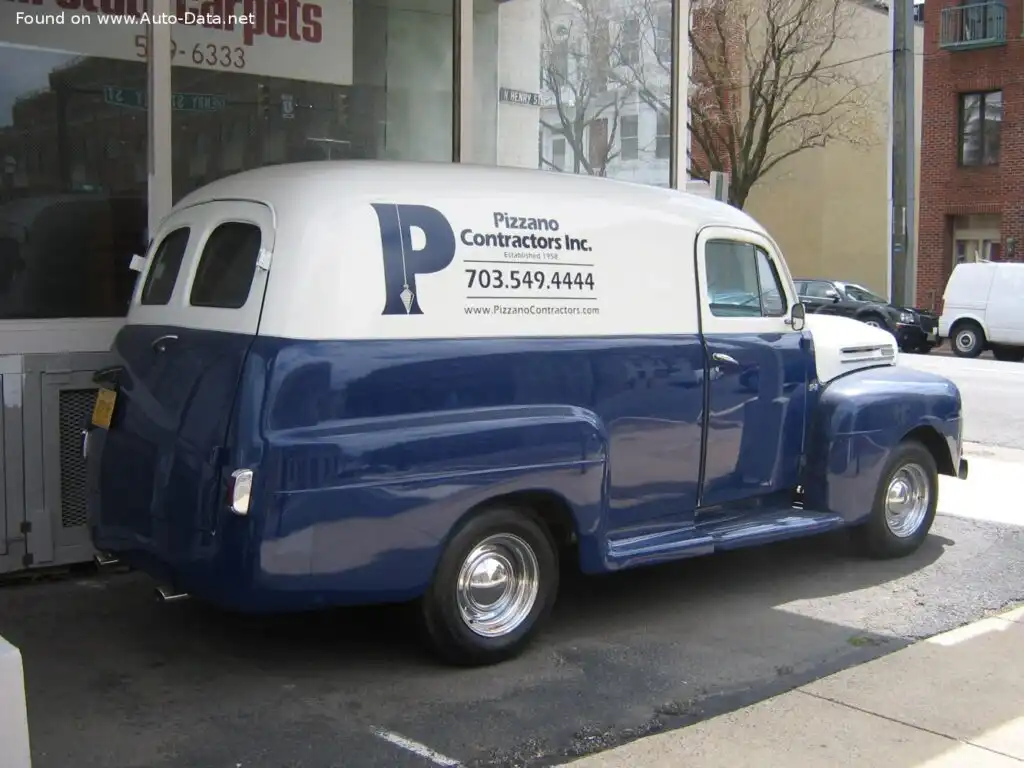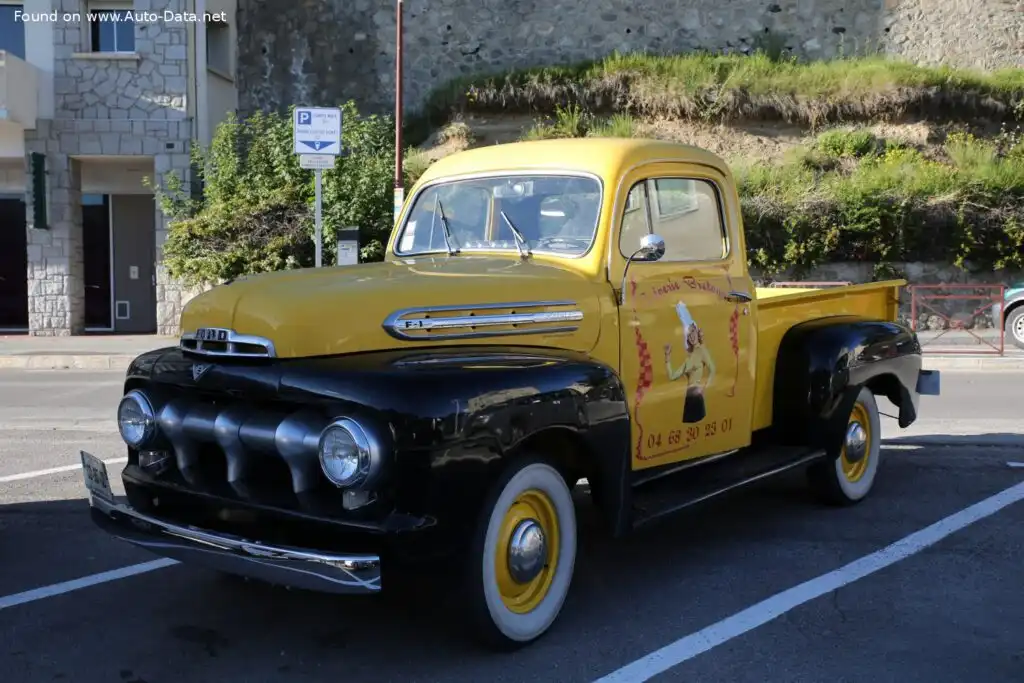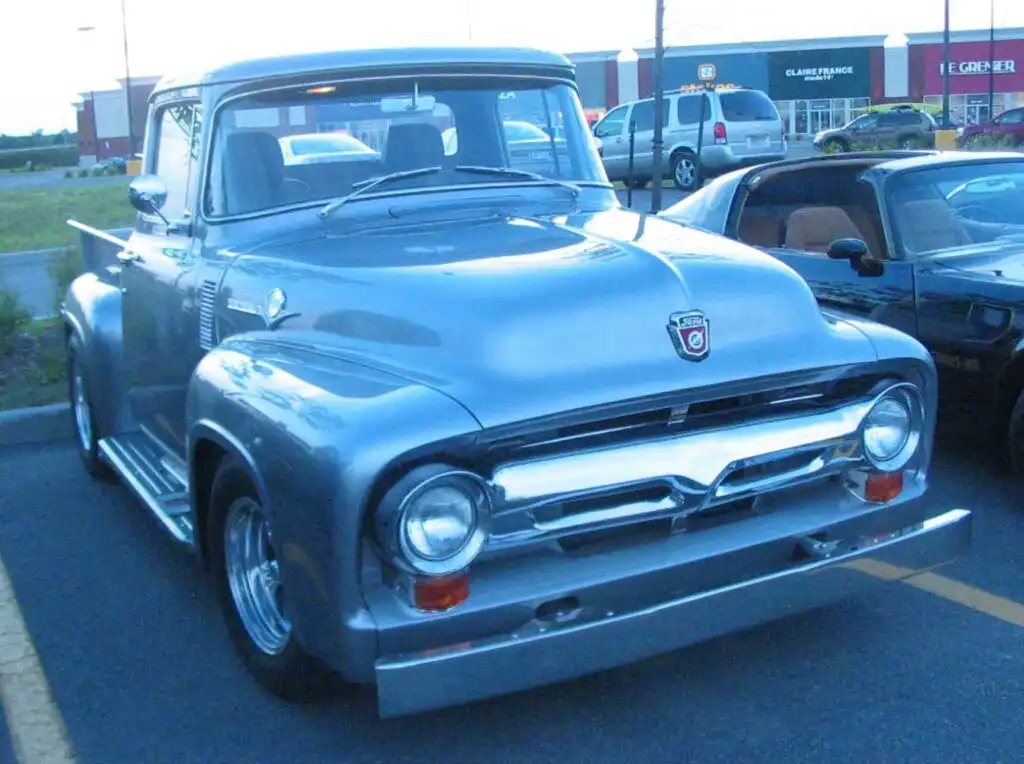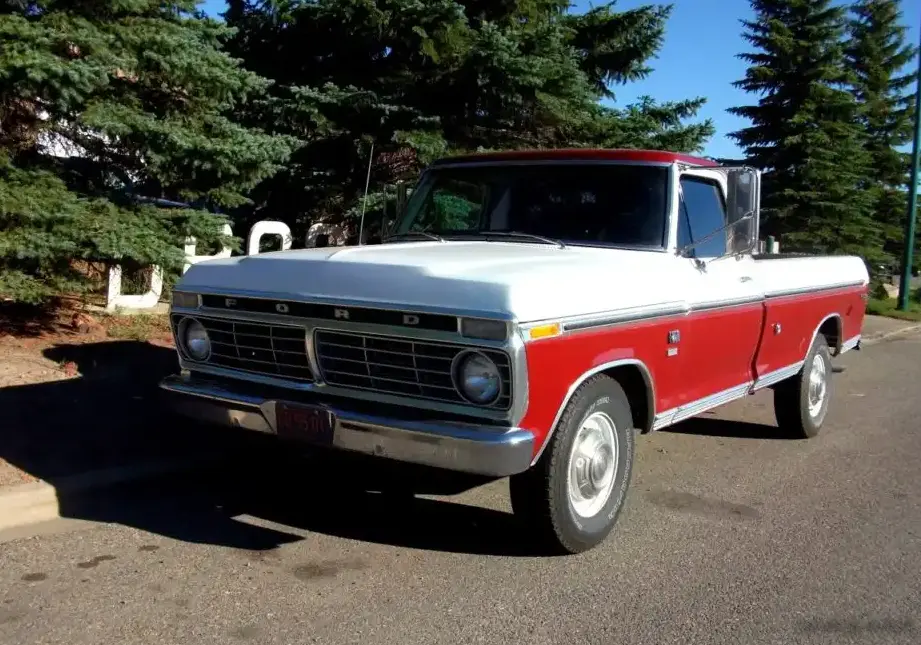
The Ford F-250, part of the broader F-Series lineup, has been a mainstay of the American pickup truck market since its introduction in 1953. The sixth generation, produced from 1973 to 1979, represented a significant evolution in terms of size, comfort, and capability. Within this generation, the F-250 Regular Cab configuration with the 6.6-liter (400 cubic inch) V8 engine, producing 169 horsepower, occupied a crucial position as a work-focused, heavy-duty option. Produced from 1977 to 1979, this variant catered to buyers needing substantial towing and hauling capacity without the added expense of higher trim levels or more powerful engines.
Technical Specifications
| Brand | Ford |
| Model | F-Series F-250 |
| Generation | F-Series F-250 VI Regular Cab |
| Type (Engine) | 6.6 400 V8 (169 Hp) |
| Start of production | 1977 |
| End of production | 1979 |
| Powertrain Architecture | Internal Combustion engine |
| Body type | Pick-up |
| Seats | 3 |
| Doors | 2 |
| Fuel Type | Petrol (Gasoline) |
| Power | 169 Hp |
| Power per litre | 25.8 Hp/l |
| Engine displacement | 6555 cm3 / 400.01 cu. in. |
| Number of cylinders | 8 |
| Engine configuration | V-engine |
| Number of valves per cylinder | 2 |
| Fuel injection system | Carburettor |
| Engine aspiration | Naturally aspirated engine |
| Max. weight | 3583 kg / 7899.16 lbs. |
| Trunk (boot) space – minimum | 2084 l / 73.6 cu. ft. |
| Fuel tank capacity | 73 l / 19.28 US gal | 16.06 UK gal |
| Length | 5215 mm / 205.31 in. |
| Wheelbase | 3378 mm / 132.99 in. |
| Wading depth | 681 mm / 26.81 in. |
| Drivetrain Architecture | The Internal combustion engine (ICE) drives the rear wheels of the vehicle. |
| Drive wheel | Rear wheel drive |
| Number of gears and type of gearbox | 3 gears, manual transmission |
| Front suspension | Independent coil spring, Transverse stabilizer |
| Rear suspension | Transverse stabilizer, Leaf spring |
| Front brakes | Disc |
| Rear brakes | Drum |
| Power steering | Electric Steering |
| Tires size | 215/85 R16.5 |
| Wheel rims size | 6J x 16.5 |
Powertrain & Engine Architecture
The heart of this F-250 variant was the 6.6-liter (400 cubic inch) Ford Windsor V8 engine. This engine, designated as the 335-series, was a robust and relatively simple design, known for its durability and low-end torque. The 169 horsepower output was achieved through a two-barrel carburetor, a relatively conservative setup compared to the four-barrel carburetors found on higher-performance Ford engines. The engine featured a cast iron block and cylinder heads, and a hydraulic lifter valvetrain. The 3-speed manual transmission was standard, providing a direct connection between the engine and the rear wheels. This transmission was chosen for its simplicity and durability, prioritizing functionality over refinement. The engine’s longitudinal front-engine layout was typical for American trucks of the era, optimizing weight distribution for hauling and towing.
Driving Characteristics
The 169 hp 6.6L V8 and 3-speed manual transmission combination in the F-250 delivered a utilitarian driving experience. Acceleration was modest, prioritizing the ability to maintain speed while hauling heavy loads rather than quick starts. The gear ratios were optimized for torque multiplication, allowing the truck to pull substantial weight from a standstill. Compared to the optional larger displacement engines (like the 390 or 460 cubic inch V8s), this variant offered less outright power, but it was more fuel-efficient (though still relatively low by modern standards). The manual transmission provided a more direct feel and greater control for the driver, especially when navigating challenging terrain or towing. The ride quality, while improved over earlier F-Series generations, remained firm due to the heavy-duty suspension designed to handle substantial payloads.
Equipment & Trim Levels
The F-250 in this configuration was typically offered in a basic trim level, focusing on functionality rather than luxury. Standard features included a vinyl bench seat, a basic instrument cluster, and a simple AM radio. The interior was largely utilitarian, with durable materials designed to withstand heavy use. Optional extras included a heater, upgraded radios, and various towing packages. The exterior typically featured minimal chrome trim, reflecting its work-oriented nature. The Regular Cab configuration offered limited passenger space, prioritizing cargo capacity over passenger comfort. The paint options were generally limited to solid colors, further emphasizing the truck’s practical purpose.
Chassis & Braking
The F-250’s chassis was built for durability and heavy-duty use. It featured a robust ladder frame construction, designed to withstand significant stress. The front suspension utilized independent coil springs and a transverse stabilizer bar, providing a reasonable level of ride comfort and handling. The rear suspension employed leaf springs and a transverse stabilizer bar, optimized for load-carrying capacity. Braking duties were handled by disc brakes at the front and drum brakes at the rear. Power steering was available, making maneuvering the large truck easier, especially at low speeds. The 215/85 R16.5 tires were chosen for their durability and load-carrying capacity, rather than performance.
Market Reception & Comparison
The 169 hp 6.6L V8-equipped F-250 was well-received by buyers who prioritized affordability and durability over outright performance. Critics acknowledged its capable towing and hauling abilities, but noted its relatively slow acceleration and basic interior. Compared to the higher-trim F-250 models with larger engines, this variant offered a more economical entry point into the heavy-duty truck market. The 3-speed manual transmission was praised for its simplicity and reliability, but some drivers preferred the convenience of an automatic transmission. Fuel economy, while not a primary concern for truck buyers at the time, was slightly better with this engine compared to the larger displacement options.
Legacy
The 1977-1979 Ford F-250 with the 6.6L V8 and manual transmission has become a popular choice among classic truck enthusiasts. The engine’s durability and relative simplicity make it relatively easy to maintain and repair. Parts availability remains good, ensuring that these trucks can be kept on the road for years to come. While not as sought-after as the higher-performance models, this variant represents a significant piece of American automotive history, embodying the work ethic and ruggedness of the era. Today, these trucks are often found in restored condition, serving as reliable work vehicles or cherished showpieces. The 335-series Windsor V8 continues to be a respected engine among Ford enthusiasts, known for its longevity and straightforward design.